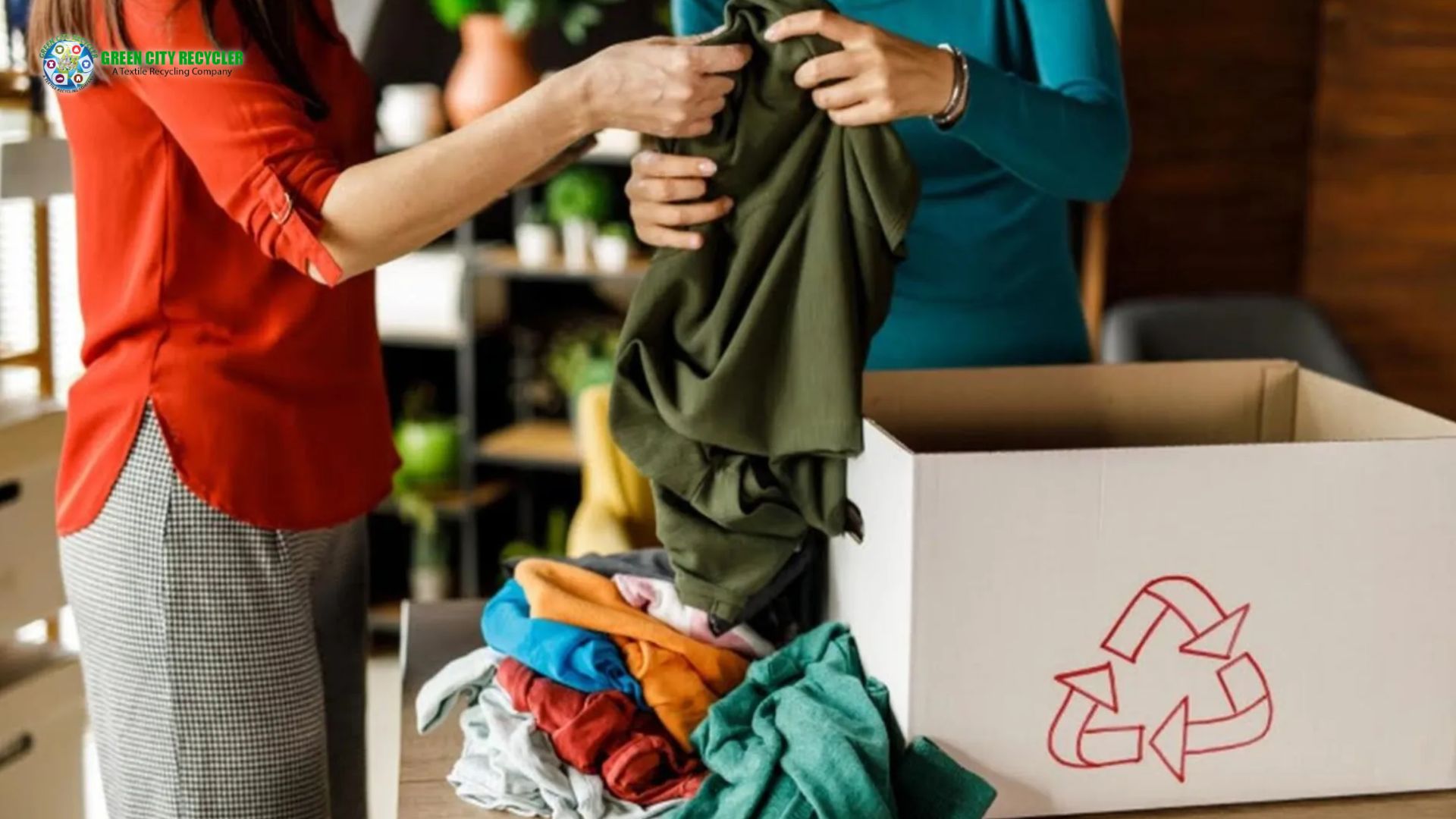
Fast fashion has made clothes cheaper than ever, but it has also caused a huge waste problem. A lot of people think that clothes should be thrown away when they are ripped, discolored, or worn out. But is it actually the case?
Can damaged clothes be recycled? The quick answer is yes, you can usually still recycle clothes that are torn or damaged. But the procedure isn’t always easy. We’ll talk about the truth regarding textile recycling in this blog, what really happens to clothes that are damaged, and how you can responsibly get rid of them.
Why Textile Waste Is Becoming A Bigger Problem?
Every year, millions of tons of clothes are thrown away in landfills all around the world. Textile waste is especially problematic in nations like Pakistan, where a lot of textiles are produced and used.
Cotton, polyester, or a mix of the two are the most common fabrics used to make garments. It can take years or even decades for these materials to break down. Synthetic clothes, especially, let dangerous microplastics into the air.
This means that tossing away clothing that is damaged adds to:
- Pollution of the environment
- More trash in landfills
- Loss of useful materials that can be used again
That’s why it’s so vital to recycle, even broken clothes.
Can Damaged Clothes Be Recycled?
Yes, however, it depends on what kind of clothes they are and how they are made.
1. Clothes That Can Be Used Again
If your garments are simply a little bit damaged, you can usually:
Fixed, given away, or used again
You can patch and reuse items with small tears or missing buttons, which helps them last longer.
2. Clothes That Can’t Be Worn Again
Clothes that are badly damaged, such as those with large tears, stains, or fabric that has come apart, may not be wearable. But you can still recycle them into:
- Rags for cleaning
- Wiping cloths for use in factories
- Stuffing for upholstery, Materials for insulation
This method helps reduce waste and gives fabrics a new life.
How to Recycle Textiles
There are several procedures involved in textile recycling that turn old clothes into new materials.
Gathering and sorting
People give clothes to donation bins, recycling centers, or groups that collect them. After that, they are sorted by:
Type of fabric Condition & Color
We distinguish clothing that can be reused from that which needs to be recycled.
Working with the Fabric
Textiles that can be recycled are cut into fibers. After that, these fibers are
Cleaned and mixed
Re-spun into new yarn or fabric
Some textiles, such as 100% cotton or wool, are easier to recycle than those made of a mix of materials.
Making New Things
We use the recycled fibers to make new things like:
- Rugs
- Mattresses
- Cloth for industry
- New clothes (sometimes)
What kinds of clothes can’t be recycled?
Can damaged clothes be recycle? Yes, some fabrics can be recycled, but some are hard or impossible to recycle.
These are:
- Clothes that have oil, chemicals, or other dangerous substances on them
- Clothes that are blended with things that aren’t textiles, like heavy plastic or metal bits
- Fabrics that have lost their fiber strength and are in very bad shape
But even in these circumstances, it’s still a good idea to verify with a recycling center before throwing them away.
Myths About Recycling Clothes That Are Damaged
Myth 1: Torn clothes are not useful
Truth: You may still utilize clothing that is badly damaged as rags or insulation.
Myth 2: You may only give away clothes that are in good shape.
Truth: Many groups will take used clothes to recycle them.
Myth 3: Textile recycling is not common.
Truth: Textile recycling is developing quickly, and more businesses and facilities are offering eco-friendly options.
Easy Ways to Recycle or Use Clothes That Are Torn or Damaged
You don’t have to be an expert to make a difference. Here are some simple techniques to take care of damaged clothes the right way:
Turn Them into Household Items
You can utilize old garments again:
- Rags for cleaning
- Rags for dusting
- Covers for mops
Try DIY upcycling
Be imaginative and make something new out of clothing that is broken:
- Tote bags
- Cushion covers,
- quilts, and
- Other items can be given to textile recycling programs.
Many groups will collect damaged fabrics and ensure they are recycled correctly.
Pick a way to dispose of things that is environmentally friendly.
Instead of tossing clothes away, seek out recycling organizations that know how to handle textile waste.
Why You Should Recycle Clothes That Are Damaged
Can damaged clothes be recycled? Recycling garments that are ripped or worn out is good for the environment and the economy in several ways:
- Lessens the garbage in landfills
- Keeps natural resources safe
- Reduces carbon emissions
- Helps industries that are good for the environment
- Makes jobs available in the recycling industry
We can help make the world cleaner and greener by making minor changes in how we dispose of clothes.
The Future of Recycling Textiles
The textile industry is changing, and recycling methods are getting better. New ideas like:
Recycling chemicals for mixed textiles
Recycling from fiber to fiber
Making cloth in a way that doesn’t hurt the environment
makes it easy to recycle even the most complicated things.
More people and businesses are starting to dispose of their clothes ethically as they learn more about it.
Last Thoughts
So, can damaged clothes be recycled? Most of them can, in fact.
Instead of tossing your clothes, consider fixing, reusing, or recycling them. Every little bit helps reduce trash and protect the planet.
Are You Ready To Recycle Responsibly?
It’s time to do something if you want a safe, environmentally friendly way to get rid of your old or damaged clothes.
Collaborate with Green City Recycler, a reputable company specializing in eco-friendly waste management. They are experts at recycling textiles and other materials with the least environmental impact.
Call Green City Recycler today to turn your old clothes into a better future!