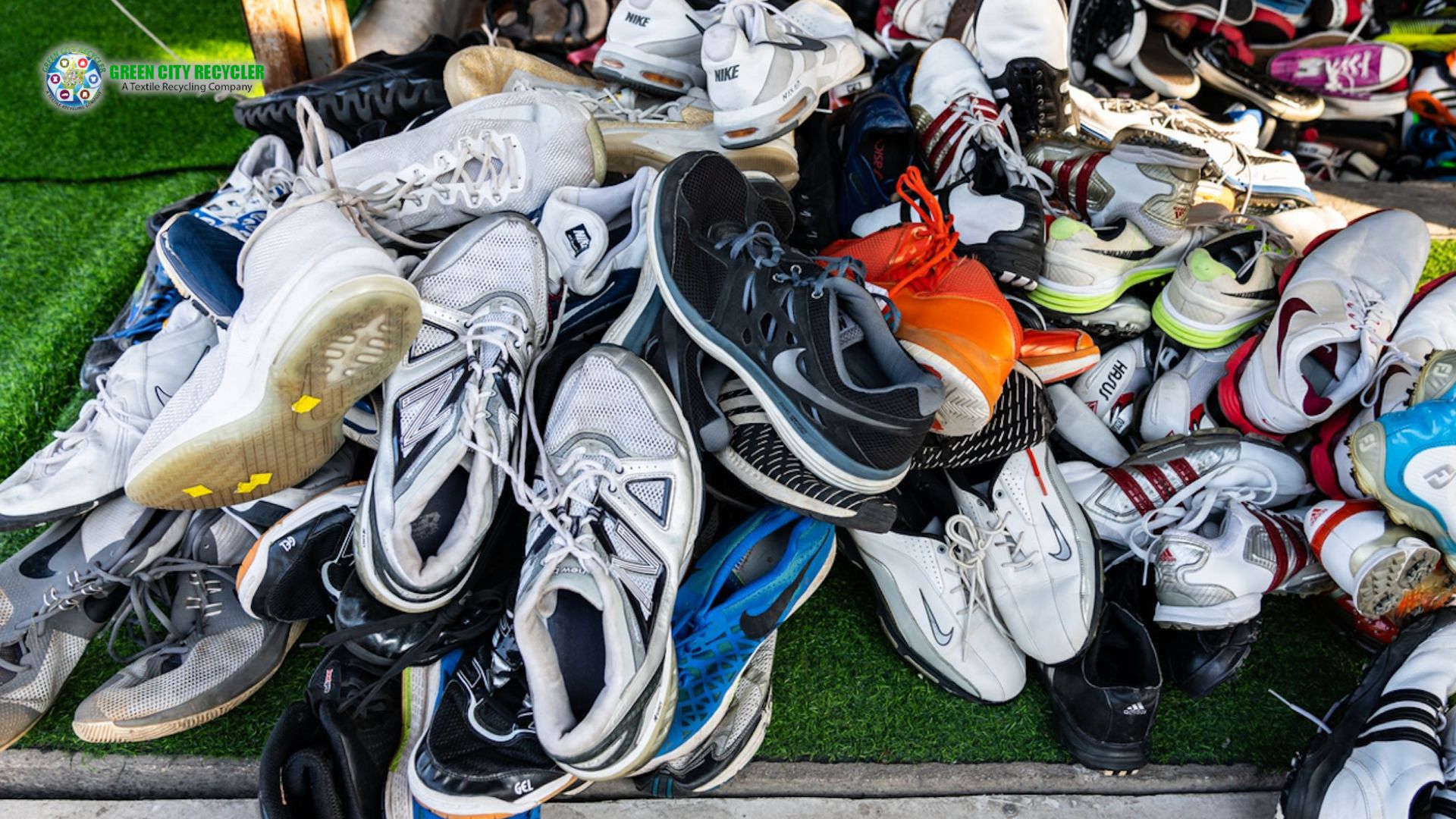

Every year, millions of shoes are thrown away in landfills throughout the world. We all use shoes every day, from sneakers to sandals to boots to dress shoes. But a lot of individuals just throw away a pair when it gets old or goes out of style. This makes me wonder: can you recycle shoes?
Yes, shoes can often be recycled, which is the short answer. But it’s not as easy as just putting them in your curbside recycling container. Shoes are constructed of a lot of different materials, such as rubber, leather, foam, fabrics, and plastics, that need to be handled in a certain way. We’ll show you how to recycle shoes, where to do it, and why it’s good for the earth in this guide.
Why should you recycle shoes?
can you recycle shoes? Shoes may not seem like much compared to furniture or appliances, yet they make up a lot of trash. According to the Environmental Protection Agency (EPA), textiles, including shoes, make up more than 11 million tons of garbage per year in the U.S. Most of the material ends up in landfills, where it takes decades or even hundreds of years to break down.
Here are some important reasons why it’s important to recycle shoes:
Cut down on trash in landfills: Shoes can take 30 to 40 years to break down. Recycling stops things from piling up that don’t need to.
Save resources: You can utilize rubber, leather, and fabrics again in new items.
Less carbon footprint: Recycling uses less energy to make fresh raw materials.
Support communities: Giving away shoes that are still usable can help individuals in need all across the world.
Can I recycle all of my shoes?
You can’t recycle every pair of shoes the same way. The materials and condition of the shoes determine whether or not they can be recycled.
Athletic shoes and sneakers
These are some of the easiest things to recycle. A lot of programs take old sneakers and turn them into new things, including running tracks, playground floors, or pieces for new shoes.
Shoes and Boots Made of Leather
You can use leather again, although recycling centers may have to separate it from metal buckles or rubber soles.
Flip-Flops and Sandals
The type of rubber or foam used can occasionally be recycled. Some businesses have dedicated drives to recycle flip-flops.
Dress Shoes and Heels
Because they are made of different materials, they are not as often recycled, although many of them can be donated if they are in good shape.
As a general rule, you should give away shoes that are still good. If they are too broken, look for recycling programs that are made to take them.
How to Use Old Shoes Again
Can you recycle shoes? Most of the time, you take shoes apart and put them back together again when you replace them. To quickly explain how it works, here it is:
Collecting: You can recycle shoes, bring them to a donation place, or hold a collection drive.
Sorting the shoes: The ones that can be worn are set aside to be given away. Broken ones are recycled.
Shredding: When shoes are shredded, robots cut them up into small pieces.
Putting Materials Away: To make room for new materials, rubber, fabrics, foam, and leather are put away.
Repurposing: This means making new things out of old things, like carpet padding, outdoor mats, insulation, or even new shoes.
Through this process, as much stuff as possible is given a second chance and doesn’t end up hurting the earth.
Where to Give Your Old Shoes Back
The next thing you need to know after knowing whether you can recycle shoes? This is where you can return shoes.
1. Places to donate
If your shoes are still in excellent condition, consider donating them to an individual in need. Shelters in your vicinity, Goodwill, and the Salvation Army are all viable options for donating gently used shoes.
2. Programs for retail take-back
Some shoe stores and brands have programs for recycling. For instance:
Nike’s Reuse-A-Shoe program takes unwanted sneakers and turns them into sports surfaces.
Adidas is working on ways to turn old shoes into new performance sneakers.
3. Specialized Recycling Centers
Green City Recycler and other dedicated recyclers focus on collecting and processing textiles and shoes responsibly. They make sure that things are used again instead of being thrown away.
4. Drives around to get things in the area
Shoe drives are sometimes held by schools, sports teams, or charities. In your area, this is an easy way to recycle.
Some ideas for reusing old shoes
If you live in an area without a recycling center, you can take your old shoes home and give them a new life:
- Shoelaces can be used to grow herbs or small plants.
- Old shoes can be used to make art. Like, you can cut up rubber shoes to make mats or coasters.
- Use boots for storage again—tall boots may make fun umbrella stands.
- Turn old laces or fabric into pet toys. They can be safe chew toys for pets.
- These do-it-yourself fixes cut down on waste and allow you to use your shoes in creative and useful ways.
Common Misconceptions About Recycling Shoes
Myth 1: You can put shoes in recycling containers on the curb.
Fact: Most city recycling programs don’t take shoes since they are made of more than one material. Expert recyclers are required.
Myth 2: It is impossible to repurpose shoes.
Fact: Dress shoes, sandals, and boots are among the footwear types that may be recycled or donated.
Myth 3: The recycling of shoes is an excessively labor-intensive procedure.
Fact: Recycling has never been easier than it is today, due to the availability of pickup receptacles, donation locations, and organizations like Green City Recycler.
Conclusion
Can you recycle shoes? So, is it possible to recycle shoes? Yes. Recycling protects the environment, saves resources, and helps people in need.
Why should you pick Green City Recycler?
Green City Recycler is the best place to go if you want to recycle shoes and clothes in a safe way. They make it easy to pick up items, make sure they are recycled correctly, and help cut down on the amount of trash that goes to landfills. Green City Recycler is different from regular donation facilities because it focuses on finding eco-friendly ways to recycle shoes, clothes, and other textiles.