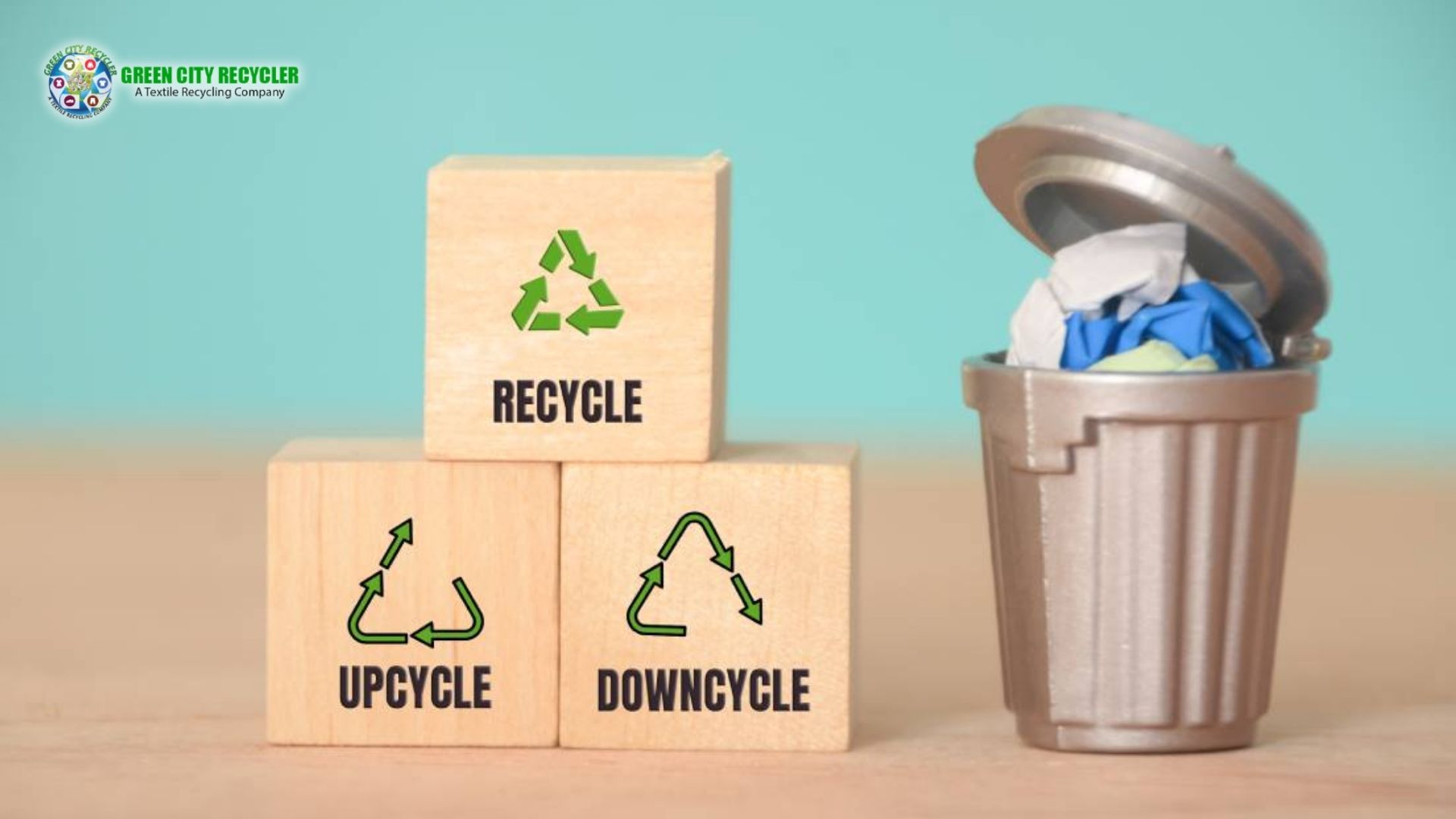

When it comes to preserving the environment, due to rapid consumption and increasing waste, Recycling plays a crucial role.
Recycling can take many forms, such as reducing pollution, conserving energy, and preserving natural resources.
Green City Recycler is a team of individuals who are focusing on a greener future by making recycling easy and impactful.
But how are recycling and our environment related to each other? How recycling helps the environment.
This blog is a complete guide that explores the major benefits of recycling and how your efforts make a difference.
1. Less Waste and Less Landfill:
Any type of waste that is buried in the land or designated landfill sites is referred to as landfilling.
It could be of many types, such as:
- Household waste (like food scraps, packaging, or broken items)
- Industrial Commercial waste
- Construction or demolition debris
Recycling is beneficial because it reduces landfill waste.
Even if it is the only item you are recycling, it still results in one less item being disposed of underground.Landfill can result in so many issues, like emitting methane gas (which plays an important role in global warming).
It also takes up useful land.
More Consequences of Landfilling:
Not only does it release methane and take a significant portion of land.
Moreover, when it is burned or breaks down in landfills, it releases the toxins.
These toxins can seep down into the soil and also enter the water resources.
By recycling plastics, glass, paper, textiles, and electronics, we can free up a significant portion of the Earth.
That is just being used as landfill, and prevent the environment from being polluted.
2. Conservation of Natural Resources:
We all know that most of the raw materials found nowadays typically originate from water, oil, minerals, and trees.
Using these products without recycling them leads to the depletion of these natural resources.
Recycling plays an important role in conserving raw materials.
For instance, 17 trees are being saved if you save up to 1 ton of paper.
Similarly, conserving metals can reduce the chances of harmful mining practices.
Healthier forests, protected ecosystems, and more oxygen for the planet are the results of less deforestation.
Future generations will also benefit from it, in addition to us.
3. Saving energy on a large scale:
When you are making a product from scratch, it requires energy.
Like when you are mining raw materials.
Transporting them, and then, through different processes, making them usable goods.
But recycling uses less energy because they have already gone through all those processes.
For example, when you are using recycled materials to produce aluminium.
Recycling materials would save up to 95% of energy as compared to bauxite ore.
Using less energy leads to:
Burning less fossil fuels
Low carbon emission
4. Pollution prevention:
We all know that the biggest threat to the environment nowadays is Pollution.
Pollution can be of multiple types, including soil, air, water, and noise.
With the help of recycling, the need for incineration and landfills is significantly reduced.
Which often leads to the release of harmful chemicals.
To reduce the number of pollutants in the environment, recycling is a key solution.
Mainly, when it comes to pollutants like electronic waste and plastics.
Recycling reduces the chemicals that are being released from these pollutants, like lead, mercury, and microplastics.
For better public health and healthier communities, we need cleaner processes and recycling.
5. Boosts the Circular Economy:
Circular Economy refers to the model that supports eliminating waste by recycling it and continuously reusing the resources.
So recycling is the biggest supporter of the circular economy.
We contribute to this economy when we purchase recycled products or patronize businesses that use recycled materials.
From collection and sorting to processing and resale, it also generates employment.
An expanding sector that supports economic and environmental health is the recycling industry.
6. Wildlife and Ocean Protection
Non-recycled waste also impacts the wild as well as the ocean and aquatic life.
Most importantly, Plastic pollution is the main threat.
Animals often mistaken by plastic considering it as their food, but get entangled in it.
That can cause their death.
Hence, recycling protects the natural habitat by reducing the chances of pollutants and waste reaching there.
Natural habitats here could represent rivers, oceans, and lakes.
To create a safer space for marine life, birds, and animals, we have to adapt recycling.
Recycling is the best key to protecting biodiversity and the planet’s ecosystem.
7. Encourages Sustainable Behaviour:
Promotes Environmental Responsibility:
Encourages a mindset for caring for the planet
Promotes consciousness of decision-making
Influences Daily Habits:
Leads to:
Purchasing the eco-friendly products
Reducing plastic usage
Compounding waste
Hold up green brands
Creates a Ripple Effect:
Inspires others in the Community
Sustainability becomes a shared goal
Builds a Culture of Conservation:
Recycling builds a routine
Extends awareness beyond just waste disposal
Need Help Recycling old clothes, shoes, or textiles?
Old clothes, shoes, and household fabrics are often overlooked when it comes to recycling.
People underappreciate textile recycling; however, it is a powerful way to reduce pollution.
Textile recycling gives a second life to the worn-out garments instead of letting them be part of the landfill.
Fabrics can be processed into raw materials for new clothes, industrial wiping cloths, or insulation.
In addition to lowering the amount of waste that ends up in landfills, this process also uses less energy, water, and raw materials.
To make new textiles.
In addition to keeping waste out of the environment, recycling our clothing contributes to a cleaner, circular future.
In which even the most basic items, like a shirt or a single sock, can help the environment recover.
Green City Recycler gives you the best opportunity to recycle textiles.
Visit our site and be a part of us to protect our environment.
Final Thoughts:
Recycling is about protecting the earth, not only managing the trash.
Every recycled item contributes to the reduction of landfill space, energy consumption, pollution, and natural resource depletion.
It’s among the simplest and most efficient ways for people to help protect the environment.
We at Green City Recycler make contributing to the solution easy.
Whether you’re a business, a household, or a community organization, recycling contributes to a greener, cleaner, and more sustainable future.
Therefore, the next time you consider discarding something, consider whether it can be recycled.
The environment will appreciate it.