When it is time to part with old clothes, most people default to one word: donate. It feels like the responsible choice — and often it is. But donation and recycling are not the same thing, and using the wrong one can actually create waste rather than prevent it. A bag of torn, stained clothing dropped at a donation center frequently ends up being thrown away anyway.
In this guide, we explain the real difference between donating and recycling clothes, when to choose each, and how to make sure nothing you part with ends up in the landfill unnecessarily.
What Does It Mean to Donate Clothes?
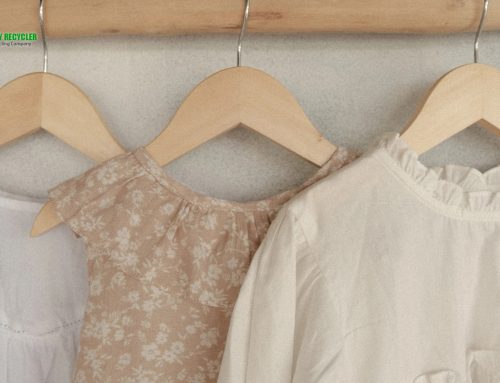
Donating means giving wearable, good-condition clothing so it can be used again by someone else — through charities, thrift stores, shelters or clothing drives. The goal of donation is reuse: the item continues its life more or less as it is. That only works if the clothing is actually in a condition someone would want to wear.
What Does It Mean to Recycle Clothes?
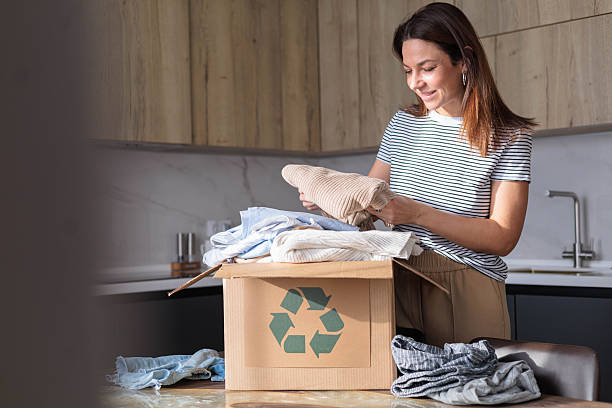
Recycling means processing textiles so their materials can be reused, even when the item itself is no longer wearable. Recyclable textiles are sorted and either resold for reuse, cut into industrial wiping rags, or broken down into fibres to make new products such as insulation and padding. Recycling captures value from clothing that donation simply cannot accept. Our guide to what happens to textiles when they are recycled walks through the full journey.
The Key Difference
Put simply: donation is about the item; recycling is about the material. Donation keeps a wearable garment in use as clothing. Recycling recovers the raw material from clothing that has reached the end of its wearable life. Both keep textiles out of landfill — they just do it at different stages.
When Should You Donate?
Donate clothing that is:
- Clean and freshly laundered
- Free of significant stains, holes or damage
- Still in style and fully functional — working zips, all buttons, no broken straps
- Something you would be comfortable giving to a friend
If you would happily hand it to someone you know, it is a donation candidate.
When Should You Recycle?
Recycle textiles that are:
- Stained, torn, stretched out or heavily worn
- Missing pieces, or no longer functional
- Underwear, single socks and other items donation centers cannot accept
- Old towels, sheets and household linens past their best
A common myth is that damaged clothing must be thrown away. It should not be — nearly all of it is recyclable. If you are unsure what qualifies, see our guide on whether you can put clothes in textile recycling.
The Best of Both: One Simple Rule
You do not have to choose between donating and recycling — use both. Follow one easy rule when you clear out clothes:
Reuse first, recycle the rest. Set aside wearable items to be reused, and recycle everything that is no longer wearable. That way every single piece is accounted for, and nothing defaults to the trash.
The good news is that a service like Green City Recycler removes the need to sort perfectly before you hand items over. We accept clothing in any condition — wearable and worn alike — along with shoes, linens, belts, purses, hats and toys, and route each item to reuse or recycling as appropriate.
Common Myths About Donating Clothes
A few widespread misunderstandings lead to good intentions going to waste — literally:
- “Everything I donate gets worn by someone.” Not always. Donation centers can only pass on clothing in usable condition; damaged items often cannot be sold or given away and may be discarded.
- “Damaged clothes belong in the trash.” This is the costliest myth. Worn-out textiles are recyclable and should never be binned.
- “Recycling clothes is complicated.” With a drop-off pod or pickup service that accepts any condition, it is as easy as taking out the trash — easier, once it becomes a habit.
- “A few clothes don’t make a difference.” Individually, maybe not — but textile waste is a community-scale problem, and community-scale habits are what move the needle.
How to Sort Your Clothes in Five Minutes
You do not need a complicated system. When you are clearing out, run each item through one quick check:
- Would I give this to a friend? If yes, it is a donation — set it aside for reuse.
- Is it worn, stained or damaged? If yes, it is a recycling item — but still keep it out of the trash.
- Is it clean and dry? Make sure everything is laundered and dry so it does not spoil other items.
That is the entire method. And with a recycler that accepts both wearable and worn textiles together, you can hand over the whole lot without agonising over the borderline cases.
Why This Matters
Textile waste is one of the fastest-growing waste streams, and a large share of recyclable textiles still ends up in landfill. Choosing donation and recycling instead of the trash conserves water and energy, reduces the demand for new raw materials, and supports a circular economy where materials keep their value. Every bag handled the right way genuinely adds up.
How Green City Recycler Makes It Easy
Green City Recycler provides free recycling pods across Texas and valet pickup so you can reuse and recycle in a single step, with no guesswork. You can find a pod or schedule a free pickup, learn more about our mission, or read more tips on our blog.
Frequently Asked Questions
Is it better to donate or recycle clothes? Donate wearable, good-condition clothing so it can be reused, and recycle anything that is worn out or damaged. Both are far better than throwing clothes away.
What happens if I donate damaged clothes? Donation centers often cannot use damaged clothing and may end up discarding it. It is better to recycle worn-out items so their materials are recovered.
Can worn-out or stained clothes really be recycled? Yes. Textiles that are no longer wearable can be turned into industrial rags or broken down into fibres for new products.
Do I need to separate donations from recycling? With Green City Recycler you do not have to. We accept clothing in any condition and route each item to reuse or recycling for you.
Donate and Recycle in One Easy Step
Whether your clothes are ready to wear again or ready to be recycled, keep them out of the landfill. Find a Green City Recycler pod or book a free pickup today.