We have all stood in front of an overflowing closet and realised we only wear a fraction of what is in it. Decluttering feels great — but it comes with a nagging question: what do you actually do with the pile of clothes you no longer want? Tossing them in the trash sends usable material straight to landfill, and that is the part most closet-cleanout guides skip.
In this guide, we walk through how to declutter your closet step by step, how to decide what stays and what goes, and — most importantly — how to responsibly rehome or recycle everything you clear out.
Why Declutter Your Closet?
A closet cleanout is not just about tidiness. A smaller, curated wardrobe saves you time every morning, makes it easier to see and wear what you love, and reduces the temptation to keep buying more. Done thoughtfully, it also keeps perfectly usable clothing out of the landfill — the average American throws away dozens of pounds of textiles every year, and most of it never needs to end up as waste.
Before You Start: Set Yourself Up
A little preparation makes the whole process faster and less overwhelming:
- Block out time. A full closet deserves a couple of uninterrupted hours rather than a rushed ten minutes.
- Empty the space. Take everything out so you can see what you truly own — it is always more than you think.
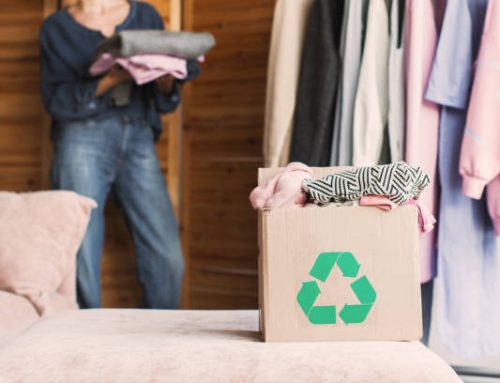
- Prepare four containers. Label them Keep, Repair, Rehome, and Recycle. These four categories are the heart of a sustainable cleanout.
Step-by-Step: How to Declutter Your Closet
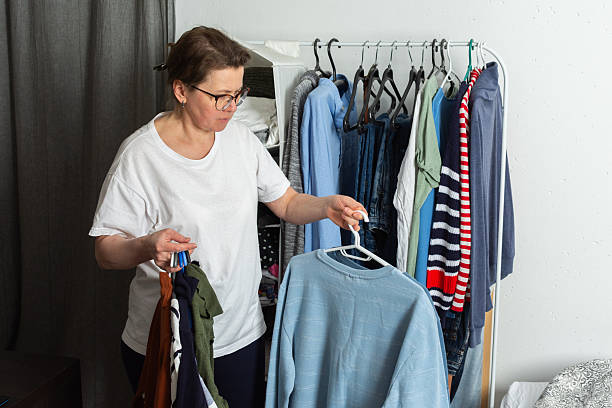
- Take everything out. Lay all your clothes where you can see them. A pile on the bed works well because it commits you to finishing.
- Handle each item once. Pick up a piece, make a decision, and place it in one of your four containers. Do not create a “maybe” pile — it only delays the decision.
- Ask the honest questions. Have I worn this in the last year? Does it fit me now? Would I buy it again today? If the answer is no, it belongs in Rehome or Recycle.
- Try on anything you are unsure about. Fit and feel settle most doubts instantly.
- Organise what stays. Group the Keep pile by type so your refreshed closet is easy to use.
The Four-Pile Method: What Goes Where
Keep
Clothes that fit, that you wear, and that you genuinely like. Be honest — “Keep” is not a default, it is a choice.
Repair
Items with a loose button, a small tear or a stuck zip that you would wear if they were fixed. Set a deadline; if you have not repaired them in a month, move them to Rehome or Recycle.
Rehome
Good-condition clothing that no longer suits you but still has plenty of life. These can be passed to friends, sold, or donated for reuse.
Recycle
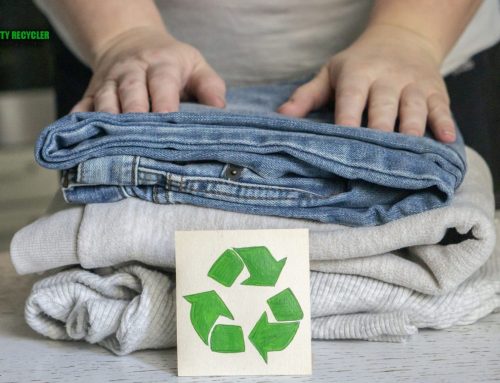
This is the pile most people get wrong. Stained, torn, stretched-out or worn-through items are not trash — they are recyclable textiles. Even single socks, ripped t-shirts and threadbare towels can be processed into new materials or industrial rags rather than landfilled. If you have ever wondered exactly what happens to textiles when they are recycled, the short version is that almost nothing is wasted.
What to Do With the Clothes You Clear Out
Here is the key principle: reuse first, recycle everything else. Wearable clothing should be reused; anything not fit to wear should still be recycled, never binned. The mistake many people make is assuming damaged clothing has to go in the trash — it does not.
If you are not sure what can be recycled, our guide on whether you can put clothes in textile recycling clears it up. Green City Recycler accepts a wide range of items — clothing in any condition, shoes, household linens, belts, purses, hats and toys — so a single cleanout can be handled in one go.
How to Keep Your Closet From Getting Cluttered Again
Decluttering once is satisfying; keeping it that way is what really changes your daily life. A few simple habits prevent the pile from rebuilding:
- One in, one out. Every time a new item comes in, let an old one go. Your closet stays the same size instead of quietly growing.
- Do a quick seasonal pass. When you switch out seasonal clothing, spend ten minutes pulling anything you clearly did not wear last season.
- Buy with intention. Before purchasing, ask whether you will realistically wear it many times. Choosing quality over quantity slows the churn that fills closets in the first place.
- Keep a recycle bag handy. A small bag in the closet for worn-out items means you never toss a stained shirt in the trash out of convenience.
The Environmental Payoff of a Sustainable Cleanout
Handling a cleanout the right way is about more than a tidy room. Textile waste is one of the fastest-growing waste streams, and a large share of recyclable clothing still ends up in landfill, where synthetic fabrics can take a very long time to break down. When you reuse and recycle instead of throwing clothes away, you help conserve the water and energy that would go into making new textiles, cut down on landfill volume, and keep materials circulating in a circular economy. A single closet may feel small, but multiplied across a community it is a meaningful amount of waste kept out of the ground.
Make It Effortless With Green City Recycler
The easiest way to keep a cleanout out of the landfill is to make recycling as convenient as throwing things away. Green City Recycler offers free recycling pods across Texas and a valet pickup service, so you can clear your closet without a special trip. Missed your usual recycling day or have a big cleanout? You can schedule a free pickup and we will come to you.
Find your nearest pod or book a collection through our bin locator and pickup service, or learn more about who we are and how your textiles are handled responsibly.
Frequently Asked Questions
What should I do with old clothes that are too worn to donate? Recycle them. Torn, stained or worn-out textiles can be processed into new materials or industrial rags, so they should never go in the trash.
How often should I declutter my closet? A thorough cleanout once or twice a year works for most people, with a quick tidy each season to stay on top of it.
Can I recycle shoes and accessories too? Yes. Green City Recycler accepts shoes, belts, purses, hats and toys alongside clothing and household linens.
What is the most sustainable way to declutter? Reuse first — rehome wearable clothing — and recycle everything that is no longer wearable rather than sending it to landfill.
Clear Your Closet, Not Your Conscience
Ready to declutter without sending usable material to the landfill? Find a Green City Recycler pod or schedule a free pickup today — and give your old clothes a second life.