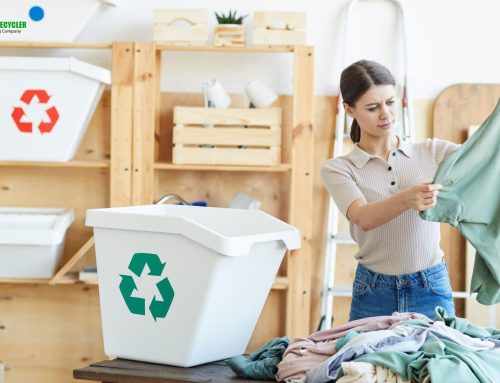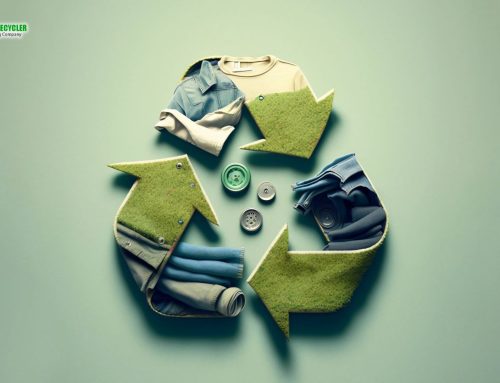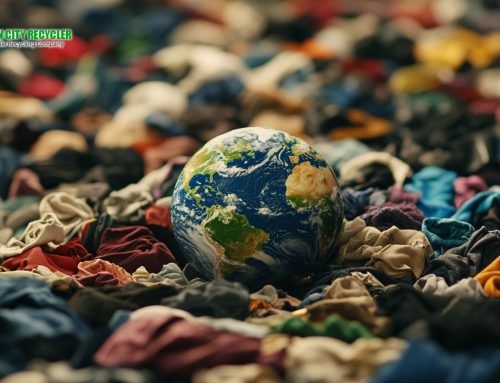
A big change is happening in the textile sector. For a long time, people thought that old garments and fabric waste were just trash that needed to be thrown away or burned. People don’t think that way anymore. People all over the world are seeing textile waste as a useful resource. Innovations in Textile recycling are becoming a major force for sustainability thanks to new ideas and technologies.
Also, Textile recycling isn’t just about cutting down on waste anymore. It’s also about making things better, conserving the environment, and promoting a circular economy.
The Problem of Textile Waste Is Getting Worse
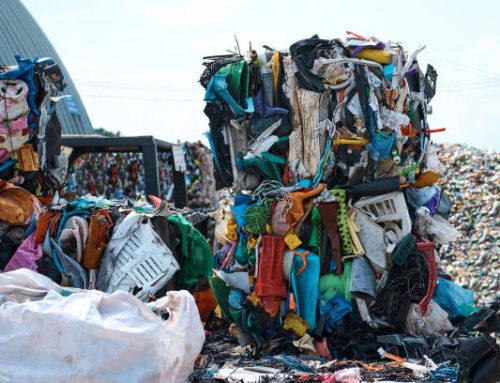
Every year, millions of tons of clothes are thrown away around the world. Textile waste is one of the fastest-growing waste sources because of quick fashion, short apparel life cycles, and overproduction.
Cotton, polyester, or a mix of the two are the most common materials used to make clothes. It takes a lot of water, energy, and chemicals to make these things. When you toss them away, you lose all of those resources. Textile recycling helps get this value back instead of letting it go to waste.
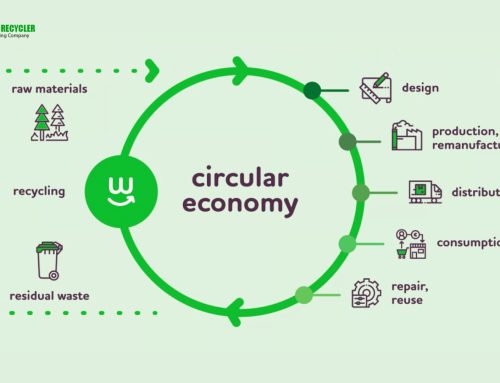
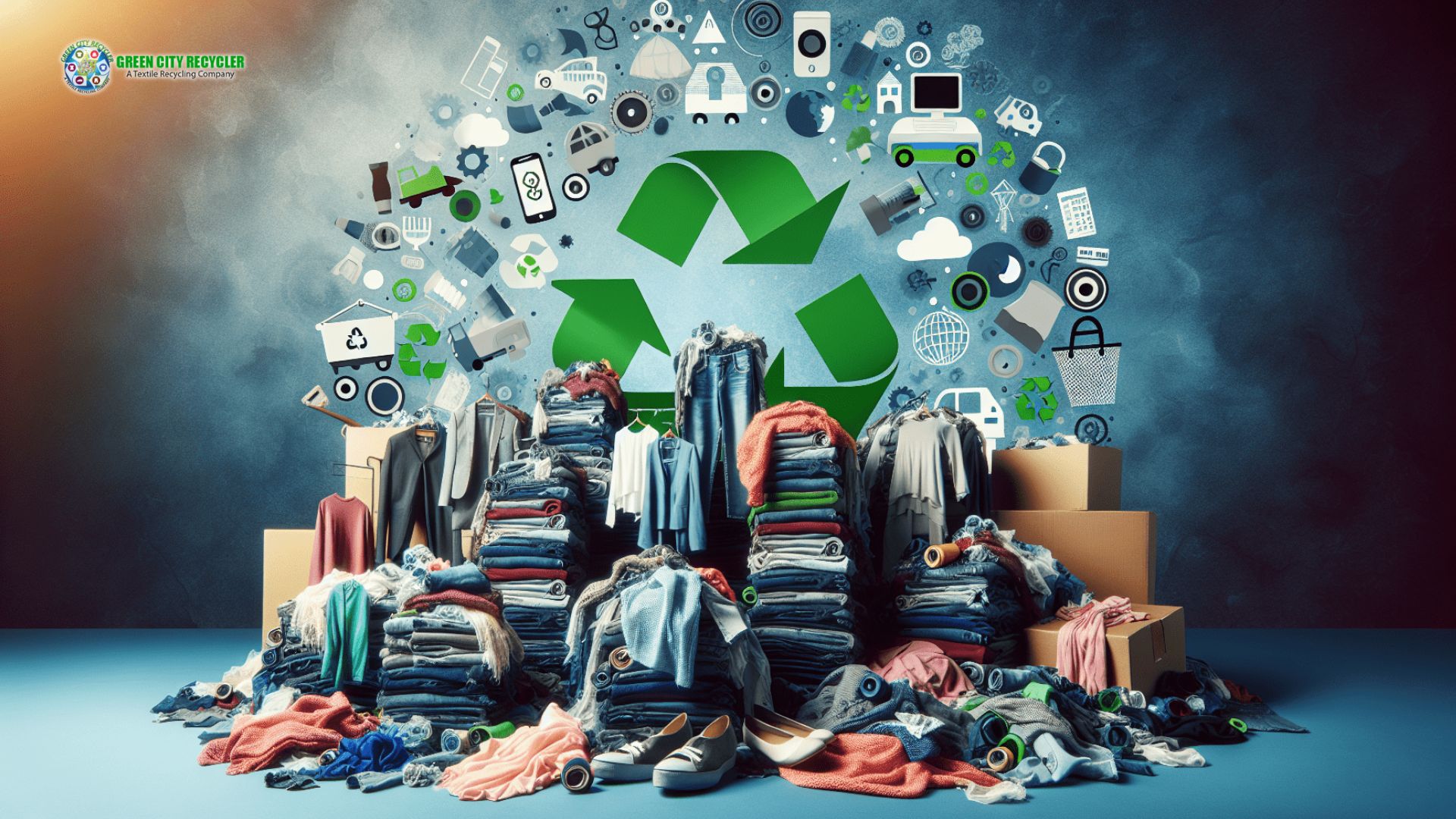
A New Way Forward: From Linear to Circular
The textile business used to work in a straight line: get raw materials, manufacture things, and throw them away. This way of doing things is no longer possible.
The future is in a circular economy, where clothes are reused, fixed, and recycled. This technology turns trash into a resource. New ways to incorporate innovations in textile recycling are making this circular model viable by turning old fabrics into new ones over and over again.
1. Advanced Sorting Technologies
Sorting has traditionally been one of the hardest parts of recycling textiles. Different types of fabric need different ways to be recycled. Today, modern sorting systems employ sensors, infrared technology, and AI to rapidly and correctly figure out what kind of fabric it is.
These systems can quickly sort cotton, polyester, wool, and mixed fabrics. Better sorting leads to cleaner recycled fibers and reduced contamination, which makes recycled textiles worth more.
2. Chemical recycling of clothes
There are limits to mechanical recycling, which include cutting up fibers. Fibers often get shorter and weaker. Chemical recycling is changing that.
Chemical recycling breaks down textiles into their molecules. This technique makes fibers almost like new again. Even fabrics that are made up of more than one type of fiber, like cotton-polyester blends, may now be easily separated and recycled. This new idea is a big step forward for the future of recycling textiles.
3. Recycling from fiber to fiber
Recycling fibers is turning old fabrics directly into new textile fibers. This innovation closes the loop in textile production. Instead of turning old fabrics into less valuable items, fibers are used again to make new clothes and fabrics.
To satisfy their aims for sustainability and use fewer new resources, several firms are increasingly putting money into fiber-to-fiber recycling.
4. Smart Recycling Plants and Automation
Automation is a big part of making textile recycling work better. Smart recycling plants employ machines and data systems to handle collection, sorting, and processing with as little waste as possible.
Additionally, these places speed things up, cut costs, and make it easier to recycle more. As technology gets better, it becomes easier and easier to recycle textiles all over the world.
New ideas in materials and design that are good for the environment
Recycling procedures aren’t the only things that are innovative. Designers and manufacturers are also helping by making fabrics that are easy to recycle. More and more fabrics are made from only one material, fibers that break down naturally, and dyes that don’t hurt the environment.
However, with innovations in Textile Recycling, the whole system works better. The future of eco-friendly fashion is being shaped by the way design and recycling work together.
How Businesses Help with Textile Recycling
Businesses have a big impact on how much textile waste is cut down. A lot of businesses are now starting to use recycled fibers, take-back programs, and work with professional recyclers.
Recycling textiles the right way not only helps the environment, but it also makes your brand seem better. More and more, people are choosing brands that show they really care about being eco-friendly.
Awareness and Participation of Consumers
Consumers are also important for making trash useful. Donating old clothes, not throwing things out that don’t need to be, and choosing recycled products are all small things that make a significant difference.
More and more people are starting to perceive textile waste as something useful instead of something that may be thrown away. This change in thinking stimulates new ideas and more money to be spent on recycling solutions.
The environmental benefits of new ways to recycle textiles
The new ideas that are changing textile recycling are good for the environment in a big way:
- Less trash in landfills
- Less use of water and energy
- Fewer greenhouse gas emissions
- Also, less need for new raw materials
Textile recycling helps safeguard ecosystems and supports long-term sustainability goals by turning waste into resources that can be used again.
Innovations in Textile recycling create jobs and make money.
Recycling textiles is good for the environment and the economy. In collection, sorting, processing, and manufacturing, the industry creates jobs. New technologies are drawing in money and helping to build up local recycling systems.
As recycling systems get better, textile waste turns from a problem to throw away into a useful resource.
What Will Happen to Textile Recycling in the Future
Textile recycling in the future will be new, based on data, and circular. Governments are making rules around trash that are harsher. However, brands are putting money into recycling systems, and customers want to know what’s going on.
Consequently, textile recycling will become a key part of the global sustainability movement as new ideas come forth that turn waste into value at every step.
Final Thoughts
Innovation in textile recycling is changing the textile industry in many ways, from better sorting to chemical recycling to fiber-to-fiber solutions. Since. Things that used to be seen as trash are now useful resources that help the world stay clean, and the circular economy grow.
Therefore, textile recycling is no longer something that will happen in the future; it is happening now. And with the appropriate processes in place, it has the capacity to change the textile business for a long time to come.
Are You Ready to Transform Textiles with Innovation and Technology?
Green City Recycler is committed to finding new, responsible ways to recycle textiles that help the environment and the circular economy. Join the movement to turn trash into treasure by teaming up with Green City Recycler today.