Nowadays, it has become necessary to adopt textile recycling; it is no longer a choice, but a necessity for everyone. As in today’s world, the demand for fashion is growing, which is resulting in increased clothing consumption. Additionally, textile waste continues to accumulate in landfills. But there is a way, fortunately, to get rid of landfills and conserve natural resources and protect our environment.
We at Green City Recycler know this thing very clearly: to build a cleaner and more sustainable future, the recycling of textiles plays a major role.
What Is Textile Recycling?
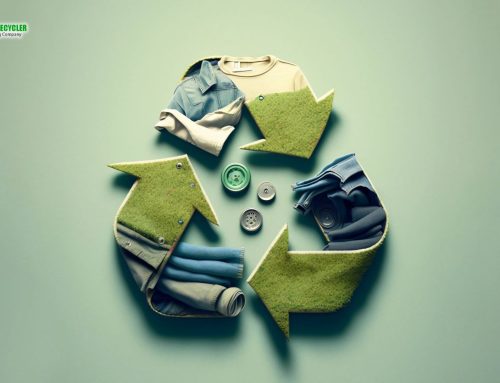
Textile recycling is basically the process that involves the reusing and recycling of old cloth, worn-out textiles, or fabric scraps. It includes all kinds of clothes that would end up being discarded. These materials have to be sorted process and reused to convert them into a new product.
Therefore, textile recycling is the process that is supporting environment sustainability by reducing waste. Instead of textiles being part of the landfill waste, it is recycled and given a second life so that they can be reused, repurposed, or remanufactured.
The Growing Problem of Textile Waste:
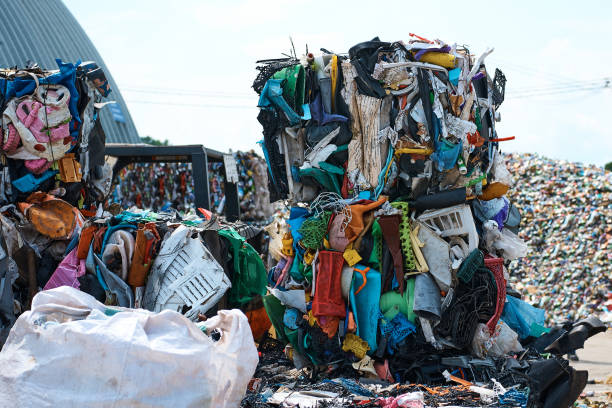
All over the world, there are millions of tons of textile waste that are thrown away in landfills annually. And that is the reason that this way occupies so much valuable space and takes many years to compose.
There are also some types of fabrics, such as synthetic fabrics like polyester, that require hundreds of years to break down. That is the reason why the environmental concerns are rising along with it. However, textile recycling can help you by giving a practical way to reduce this growing issue, much like how tree service Watsonville helps with maintaining the local environment.
How Textile Recycling Helps Reduce Landfill Waste:
1. Keeps Textiles Out of Landfills:
The first thing we are textile recycling helps with is reducing landfill waste. Instead of you throwing the clothes away, recycling programs can collect them and process them responsibly.
As a result of it, there would be fewer textiles that are being thrown away in landfills. In this way, it is lowering the impact that landfill waste is creating on our environment.
2. Promotes Reuse and Upcycling:
When you recycle textiles, it encourages the reuse and upcycling techniques. The clothes that are being used gently and are still in good condition can be repaired or resold. But the fabric that has been worn out or damaged can be converted into cleaning cloth, padding, or insulation.
And because of applying all these techniques, you can use the textile product for longer periods. also it would result in reducing overall textile waste and would support landfill waste reduction.
3. Reduces the Need for New Materials:
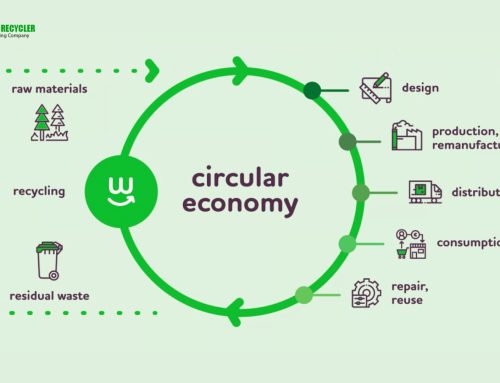
Not only does this textile recycling reduce the demand for new raw materials. When you continue to use the existing fabric, then there is less need for cotton, polyester, and other textiles.
And as a result of all this, there would be few natural resources being consumed. And it would reduce the waste generation. This is the cycle which place a major part in sustainable textile recycling efforts.
Environmental Benefits of Textile Recycling:
● Reduces Greenhouse Gas Emissions:
When textile waste decomposes in the landfills, it releases Methane Gas. Methane is a very powerful Greenhouse gas. But the textile recycling would prevent this process of decomposition.
Also, when you produce recycled textiles, they require less manufacturing energy than new ones. As a result of it, recycling textiles lowers emissions while supporting environmental sustainability.
● Saves Water and Energy:
To produce new textiles, there is a need of amount of water and energy. But if you follow the textile recycling process, the need to produce new textiles decreases.
As a result of it, there is less consumption of water, and energy is also conserved. And both of these things result in reducing the environmental damage. And then they may recycle textiles, a very eco-friendly solution.
Economic Benefits of Textile Recycling:
● Creates Green Jobs:
The processes of collecting, sorting, and processing recycled textiles provide job opportunities for people. As a result, recycling programs not only help build community infrastructure, but they also promote eco-friendly practices related to recycling textiles.
● Promoting Sustainable Business Practices:
Today, many businesses utilize textiles that have been recycled to produce environmentally friendly goods. This trend is encouraging manufacturers to be more responsible in their manufacturing processes and to greatly reduce the amount of waste produced and sent to landfills.
How You Can Help Reduce Textile Waste:
You can support textile recycling by following the simple steps:
- Donate your old clothes
- Recycle the fabrics responsibly
- Choose durable textiles
- Support the brands that focus on sustainable textile recycling
Every small action would result in reducing landfill waste.
Conclusion:
Textile recycling is playing a very major role in minimizing landfill waste and promoting a healthy environment. With the help of recycling the textile conserving the resources, supporting the sustainability, it create long term benefits for both the people and our planet.
And Green City Recycle, we are a group of people who are committed to promoting the recycling Practices responsibly. Together with the help of textile recycling, we can build a cleaner, greener future for ourselves.