The fashion world changes quickly. Every season, new styles come out, and more people than ever are buying clothes. Fashion can be fun, but it also causes significant damage to the environment. Every year, millions of tons of clothes are thrown away in landfills. You could reuse, recycle, or give away most of these garments instead of throwing them away.
The good news is that even small clothing recycling habits can have a big impact. People can help make the future more sustainable by doing small things that reduce waste, safeguard natural resources, and build a better future. In this blog, we’ll discuss how minor behaviours, such as recycling clothes, can have a significant impact on the environment and society.
The Growing Problem of Waste from Textiles
Textile waste is becoming a major problem worldwide. People are buying more garments, but they don’t retain them as long. A lot of clothes are thrown away even if they can still be used.
Most of the time, clothes thrown away end up in landfills. Polyester and nylon are examples of synthetic materials that can take hundreds of years to break down. They released harmful substances into the soil and water during this period.
Also, making new clothes takes a lot of water, energy, and raw materials. For instance, growing cotton uses a lot of chemicals and water. Recycling clothes can help the environment by reducing the need for new materials.
Why it’s important to recycle clothes
There are several reasons why small clothing recycling habits are important to recycle clothes:
First, it helps reduce trash in landfills. When textiles are recycled or reused, they don’t end up in landfills and can still be used.
Second, recycling clothes helps protect the environment. To make new fabrics, you need water, energy, and chemicals. Recycling reduces the need for these things.
Third, recycling clothes reduces carbon emissions. Making and moving new clothes significantly increases greenhouse gas emissions. Recycling and reusing clothes means fewer new clothes need to be made, helping cut down on emissions.
Last but not least, recycling clothes can help communities. Workers who need clothes can get them through donations, and textile recycling programs often offer opportunities for workers to sort, process, and resell items.
Little Things That Make a Big Difference
Many people think big changes are needed to fix environmental problems. But if you do them every day, simple behaviours can have a big effect. Anyone can start these simple habits for recycling clothes.
Give Away Clothes Instead of Throwing Them Away.
Giving away clothes that are still in good shape is one of the easiest ways to recycle them. A number of charities and groups will take clothes that are still in good shape.
Don’t just throw away clothes you don’t want. Instead, consider donating them to local shelters, resale stores, or community groups. This lets someone else use things you no longer need.
Giving away clothes also makes them last longer and reduces the need for new ones.
Fix and Use Again
People sometimes discard clothes because of minor issues like broken zippers, loose buttons, or small tears. Most of the time, these difficulties can be fixed quickly.
If you know how to do basic repairs, your clothes will last a lot longer. Simple sewing skills can help fix clothes and keep them from going to waste.
Another good habit is to find new ways to use old clothes. You may transform old T-shirts into cleaning cloths, tote bags, or do-it-yourself projects around the house.
Buy Less and Pick Quality
Buying fewer, better clothes is another strong habit. Most of the time, fast fashion clothes are made to be worn only a few times before they lose their shape or quality.
Small clothing recycling habits also include buying clothes that last longer, which means you won’t have to replace them as often. This method not only saves money over time but also helps reduce textile waste.
Choosing styles that will last rather than trends that fade quickly also makes clothes last longer.
Plan clothing swaps for each season.
Clothing swaps are a fun and eco-friendly method to get new clothes. People can get together with friends, relatives, or neighbourhood groups to trade clothes they no longer wear.
People can receive “new” clothes without buying anything by doing this. It also protects clothes from going to landfills and keeps them in circulation.
Clothing exchanges are becoming increasingly popular because they are good for the environment and help people meet new people.
Recycling Old Clothes
You can’t donate some clothes because they are too worn or broken. But these fabrics can still be recycled.
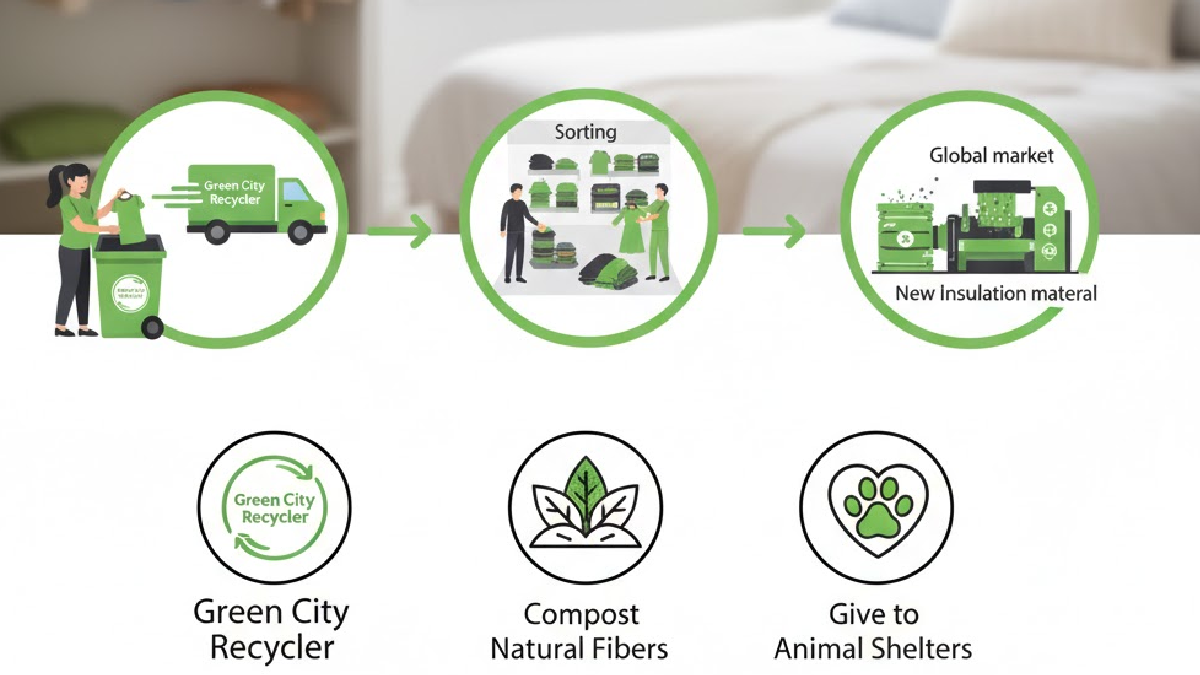
A number of textile recycling programs will take old clothes and turn them into new things. You can use these things to make new fabrics, insulation, or even industrial rags.
Putting old clothes in a separate textile recycling bin instead of the garbage can helps the circular economy and reduces landfill waste.
The Part Communities Play in Recycling Clothes
Communities are vital for encouraging people to wear environmentally friendly clothing. People are more likely to recycle clothes when there are local recycling programs, donation drives, and awareness campaigns.
Schools, corporations, and groups in the neighbourhood can come together to organise clothing collection activities. These activities make it easy for people to give away or discard clothes they don’t want.
Getting people involved in the community also helps them learn about how textile waste affects the environment.
When people in a community recycle their clothes together, the effect is considerably bigger.
How Small Clothing Recycling Habits Can Have a Big Effect on the Environment
At first, it might not seem like a big deal to recycle a few pieces of clothing. But when thousands of individuals do the same thing, the results can be huge.
Recycling one kilogram of textiles, for instance, can save thousands of litres of water and reduce carbon emissions. Think just how much of a difference it would make if whole neighbourhoods recycled their clothes all the time.
Little things can have a big influence. When one person starts living more sustainably, it typically encourages others to do the same.
These little things add up over time to make society more ecologically friendly and sustainable.
Final Thoughts
The issue of textile waste is worsening, yet it can be addressed with a few steps. Donating, fixing, reusing, and recycling clothes are small clothing recycling habits that can have a big impact on the environment.
We can help protect the environment, reduce landfill waste, and support a circular economy by being careful about how we use and dispose of clothes.
Every little thing you do matters. Recycling clothes can have a significant positive impact on the environment when people, families, and communities work together.
Green City Recycler Helps With Recycling Textiles In A Way That Lasts.
If you want to help the environment, the first thing you should do is recycle your old clothes responsibly. Green City Recycler wants to help cities recycle textiles in ways that are good for the environment and reduce waste.
Instead of throwing out outdated clothes, find a responsible way to dispose of them. Get in touch with Green City Recycler today to find out how you can recycle clothes, help the environment, and make the future cleaner and greener.