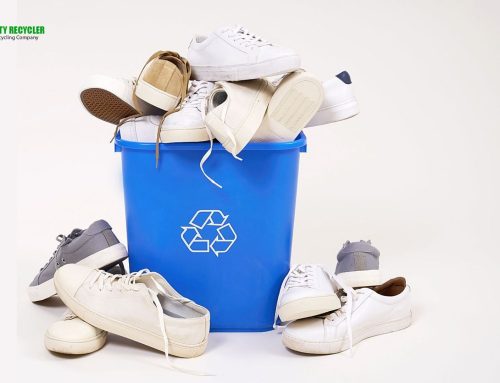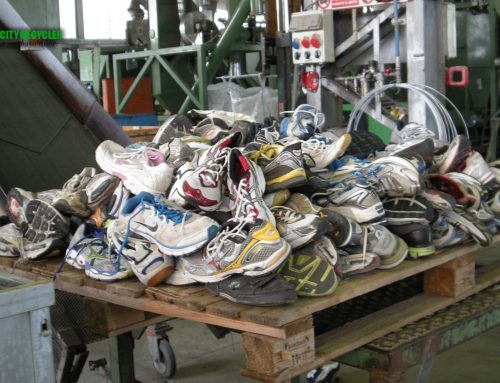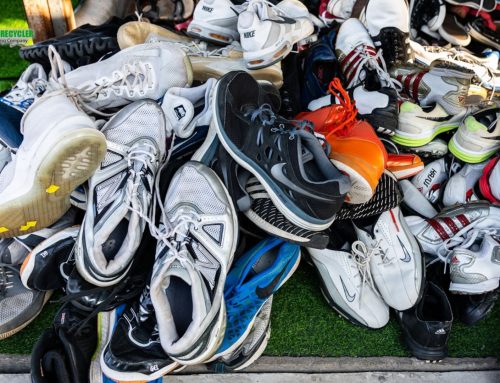
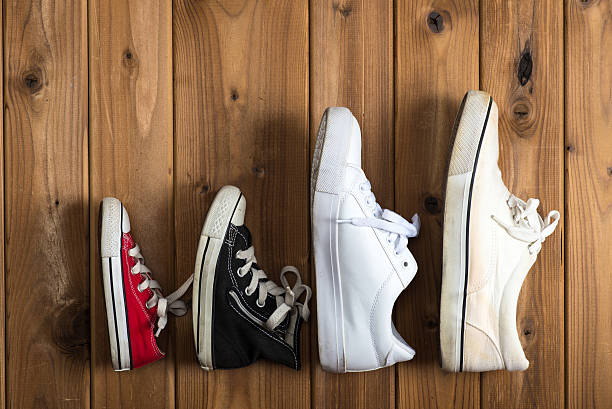
Worn-out shoes are one of the trickiest things to deal with. They are too damaged to donate, too bulky to ignore, and most people assume the only option is the trash. But old shoes do not belong in the landfill — they can be reused or recycled, and doing so is easier than you might think.
In this guide, we explain how to recycle old shoes, which pairs can be recycled, what happens to them afterwards, and how to drop them off or have them collected.
Can You Really Recycle Shoes?
Yes. Whether a pair is barely worn or completely finished, there is a responsible path for almost every shoe. Wearable shoes can be reused by someone who needs them, while worn-out shoes can be broken down so their materials are recovered. What matters is keeping them out of the landfill, where the rubber, foam and synthetic materials in footwear can take an extremely long time to break down.
Which Shoes Can Be Recycled?
Almost all of them, though the outcome depends on condition:
- Good-condition shoes — clean pairs with plenty of wear left are ideal for reuse by someone else.
- Worn or damaged shoes — scuffed, broken or worn-through footwear can be recycled for their materials rather than reused.
- Athletic shoes, sandals, boots and dress shoes — all common types are accepted for reuse or recycling.
The main exception is that shoes should be dry and reasonably clean. Wet or mouldy footwear can contaminate other items, so let damp shoes dry out before recycling them.
How to Prepare Your Shoes for Recycling
- Pair them up. Tie laces together or use a band so pairs stay matched — this makes reuse far more likely.
- Wipe off heavy dirt and make sure they are dry.
- Remove obvious non-shoe extras such as batteries from light-up shoes, if present.
- Keep them separate from wet items so they do not pick up moisture in the bin.
What Happens to Recycled Shoes?
Once collected, shoes are sorted much like clothing. Pairs in good condition are directed toward reuse, while worn footwear is processed so its materials — rubber, foam, textile and plastic — can be recovered and repurposed into new products. It is the same reuse-first, recover-the-rest principle we apply to all textiles; you can read more about what happens to textiles when they are recycled for the full picture.
Where to Recycle Shoes
You have a few options, but convenience is what makes recycling stick:
- Drop-off pods — Green City Recycler operates free recycling pods across Texas that accept shoes alongside clothing, linens and accessories.
- Pickup service — if you would rather not make a trip, a valet pickup brings the service to your door.
- Community collection points — some shops and community centers host bins, though acceptance varies.
With Green City Recycler you do not need to sort by condition first — we accept shoes whether they are wearable or worn out. Find your nearest pod or schedule a free pickup to get started.
What Shoes Are Made Of — and Why It Matters
Footwear is deceptively complex. A single pair can combine rubber, foam, leather or synthetic uppers, textile linings, plastics and metal eyelets. That mix is exactly why shoes are slow to break down in landfill and why recycling them takes proper sorting. When shoes are recycled, these materials are separated and recovered where possible — rubber and foam can be repurposed into products like padding and surfacing material, while textiles follow the same fibre-recovery path as recycled clothing. Understanding the materials is a good reminder that “worn out” is not the same as “worthless.”
How to Make Your Shoes Last Longer
The most sustainable pair of shoes is the one you do not have to replace yet. A little care reduces waste upstream:
- Rotate your shoes. Alternating pairs lets materials recover between wears and extends their life.
- Clean and dry them properly. Letting shoes dry naturally and wiping off dirt prevents premature breakdown.
- Repair before replacing. A re-glued sole or new laces can add months or years to a good pair.
- Store them well. Keeping shoes out of damp, hot spaces protects the glues and materials that hold them together.
When a pair finally is beyond saving, that is the moment to recycle rather than trash it.
Why Recycling Shoes Matters
Footwear is made from a mix of materials that are slow to break down and take up real space in landfills. Recycling shoes keeps those materials in use, conserves the resources needed to make new footwear, and supports a circular economy. Multiply one household’s old shoes across a whole community and the impact is significant — which is exactly why a convenient local service makes such a difference.
Recycle More Than Just Shoes
If you are gathering up old shoes, it is the perfect moment to clear out other textiles too. Green City Recycler accepts clothing in any condition, household linens, belts, purses, hats and toys in the same pods and pickups. Learn more about our program or explore other tips on our blog.
Frequently Asked Questions
Can you recycle shoes that are worn out? Yes. Even completely worn footwear can be recycled so its rubber, foam and textile materials are recovered rather than landfilled.
How should I prepare shoes for recycling? Pair them together, wipe off heavy dirt, and make sure they are dry before dropping them off or having them collected.
Where can I recycle old shoes? At a Green City Recycler drop-off pod or through a scheduled valet pickup, which accepts shoes along with clothing and other textiles.
Do the shoes need to be in pairs? Pairing them helps, especially for reuse, but keeping laces tied together is enough — just make sure they are dry and reasonably clean.
Give Your Old Shoes a Second Life
Don’t throw those old shoes in the trash. Find a Green City Recycler pod or schedule a free pickup and recycle your footwear the responsible way.