Composting is also one of the simplest ways to reduce your household waste while helping the environment. Every day, food scraps and yard waste are thrown away. Meanwhile, they can be turned into very valuable compost. And the good news is that starting a compost system at your own home is very easy, most people think.
No matter if you have a very large backyard or have a very limited outdoor space, composting can help you reduce waste. Not only that, but you can also create nutrient-rich material for your plants and gardens.
What Is Composting?
In simple words, we can see that composting is a natural process that breaks down organic materials into a nutrient-rich dark substance called compost. Microorganisms, insects, and other natural decomposers make this process.
And in this way, your food scraps and your waste can be transformed into valuable soil material. This would be very useful to improve your plant growth and soil health.
And along with it also reduces the amount of waste that ends up in landfills. So in this way, composting is a very environmentally friendly practice.
Why Composting Matters:
There are household that generates a large amount of organic waste. Instead of throwing these materials away, you can give them a second life by composting. Composting helps you to create a sustainable lifestyle that encourages responsible waste management habits.
Some of the key benefits of composting include.
- Reducing household waste
- Improving soil quality
- Conserving landfill space
- Supporting healthier plant growth
- Reducing greenhouse gas emissions
What Can Be Composted?
You can only be successful in your composting process when you know which material belongs to which compost pile.
Green Materials:
Green materials basically provide nitrogen, and they include:
- Fruits crops
- Vegetable peels
- Coffee grounds
- Tea bags
- Fresh grass clippings
Brown Materials:
Raw materials are helpful because they provide carbon, and they include:
- Dry leaves
- Cardboard
- Paper towels
- Newspaper
- Small twigs
Basically, composed file should contain a balance makes a both green and brown materials.
What Should Not Be Composted?
Certain items attract pests, create odors, or interfere with the composting process. By avoiding adding such materials, you can maintain a healthy and more effective compost system.
You must avoid adding:
- Meat and fish scraps
- Dairy product
- Cooking oils
- Pet waste
- Disease plants
- Treated wood
Choosing a Composting Method:
The following are ways you can compost at home.
1. Backyard Compost Pile:
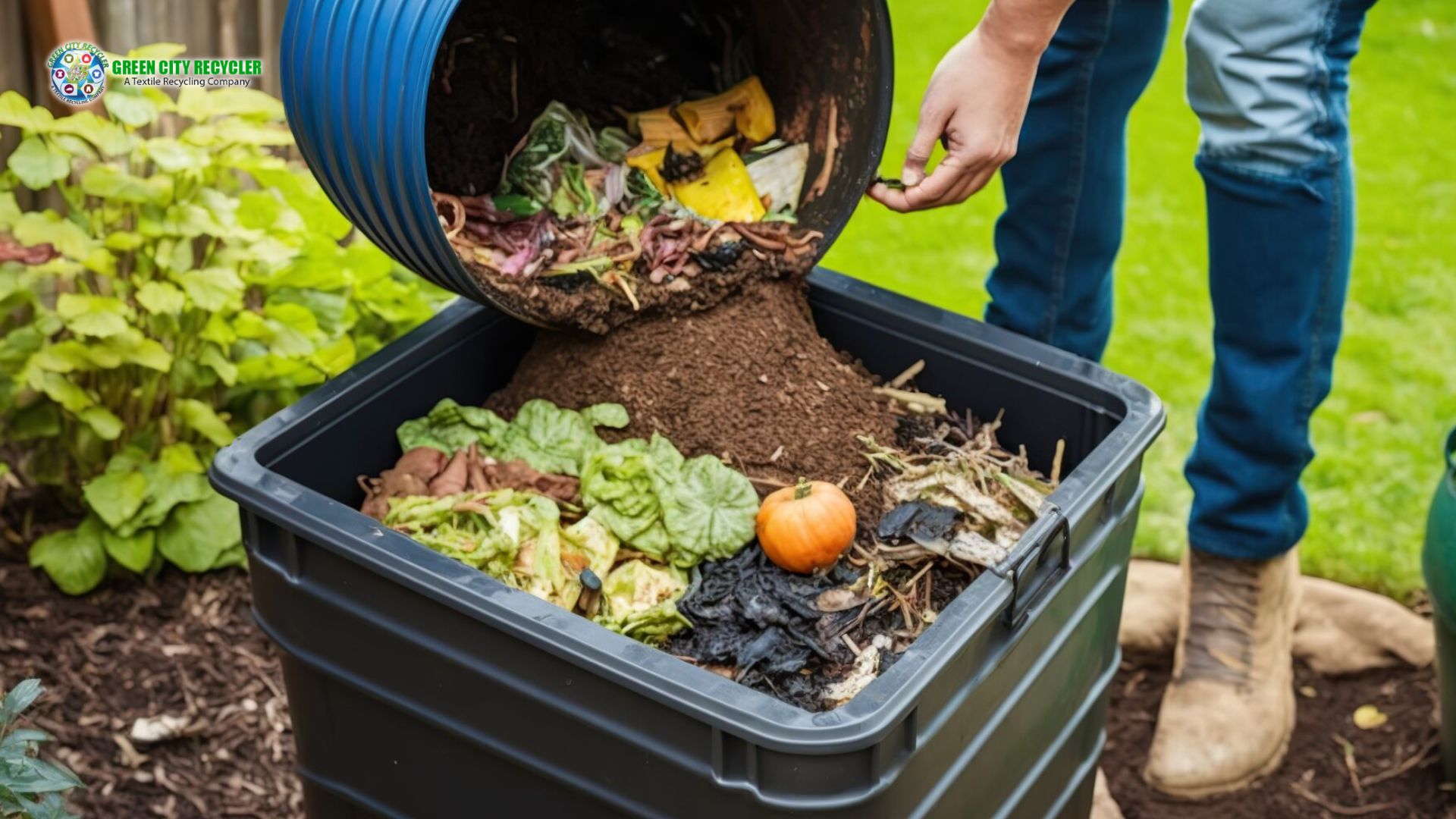
A simple compost pile is the most affordable option. All you need is a designated outdoor space where the organic materials can break down naturally.
2. Compost Bin:
There are many home owner that do prefer bins for compost. So that they can keep materials organised and control pests.Moreover, Binder helpful because they can make turning and maintaining compost super easy.
3. Tumbler Composters:
Compost tumblers are basically enclosed containers that can be rotated. As a result, it becomes efficient to make compost materials, and it also speeds up the decomposition process.
How to Start Composting at Home:
There are a few simple steps to get started:
Step 1: Select a Location
First of all, you need to choose a dry in Shirdi area with good drainage.
Step 2: Add Brown Materials
Then you can begin with dry leaves, shredded paper, or cardboard.
Step 3: Add Green Materials
Now you can add fruit crops, vegetable peels, and other compostable food waste.
Step 4: Maintain Balance
Make sure you are maintaining the balance between green and brown materials. This helps to prevent unpleasant odors and maintains healthy decomposition.
Step 5: Turn the Compost
And after every few weeks you should turn the pile using a shovel or Garden fork. It will help you maintain airflow and help the material break down faster.
Signs Your Compost Is Ready:
When the compost is typically dark, crumbly, and has an earthy smell, it means it is ready.
Unlike the fresh food scraps that you added, the fully mature compost would no longer resemble the original materials.
And depending on the conditions you provide, the composting process may take several months.
How Green City Recycler Encourages Sustainable Waste Practices
Green City Recycler believes reducing waste begins in your own home. By following simple practices like composting, families can reduce their disposal/landfill burdens and make their neighborhoods healthier. Green City Recycler is committed to providing environmentally-friendly waste management solutions to help communities be more sustainable and cleaner, whether you are just starting with composting or trying to improve your sustainability practices.
Conclusion:
Composting is a simple and efficient method of processing organic waste into compost, which can then be used as a source of nutrients for gardens and plants. In addition, through learning how to compost, you will be able to achieve an acceptable composting mixture and will have the ability to compost successfully from home.
When you compost, you provide benefits to yourself and the environment. If you are willing to invest your time and effort into composting your daily waste consistently, you will create a valuable product that has numerous uses.
FAQ’s:
- How long does composting take?
Most compost piles take several months to fully decompose, depending on materials and conditions.
- Can I compost in a small space?
Yes. Compost bins and tumblers are excellent options for smaller outdoor spaces.
- Does composting smell bad?
A properly maintained compost pile should have an earthy smell, not a foul odor.
- What is the best material to start composting with?
A combination of brown materials like dry leaves and green materials like fruit and vegetable scraps works best.
- Can compost replace fertilizer?
Compost improves soil health and provides nutrients, but some plants may still benefit from additional fertilizers.