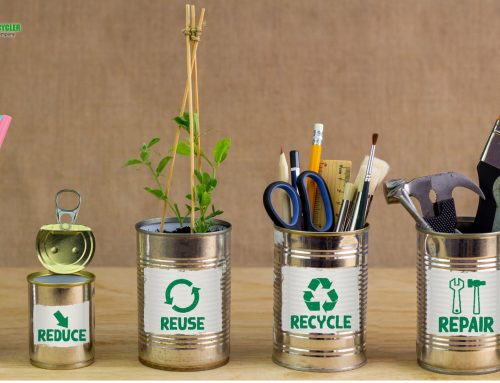
We all know that one of the easiest ways to reduce waste and protect our environment is recycling. From our daily household activities, a large amount of trash is generated. And most of it can be recycled, but they end up in landfills. Also, recycling doesn’t mean that you have to make major life changes. Instead, it begins when you start to understand what can and cannot be recycled.
In this complete guide, we are going to explain how you can recycle household waste properly. And actions can make a big difference for our planet and environment.
Why Household Recycling Matters:
There are a lot of people who basically throw recyclable materials into the trash because they are unsure about the recycling rules. As a result, valuable resources are thrown away.
Also, recycling helps us to conserve our natural resources. It reduces pollution and lowers energy consumption. When paper, plastic, glass, metals, and materials like these are recycled, fewer raw materials need to be extracted from the environment.
As these materials are used instead of being discarded, it supports the circular economy.
Common Types of Recyclable Household Waste:
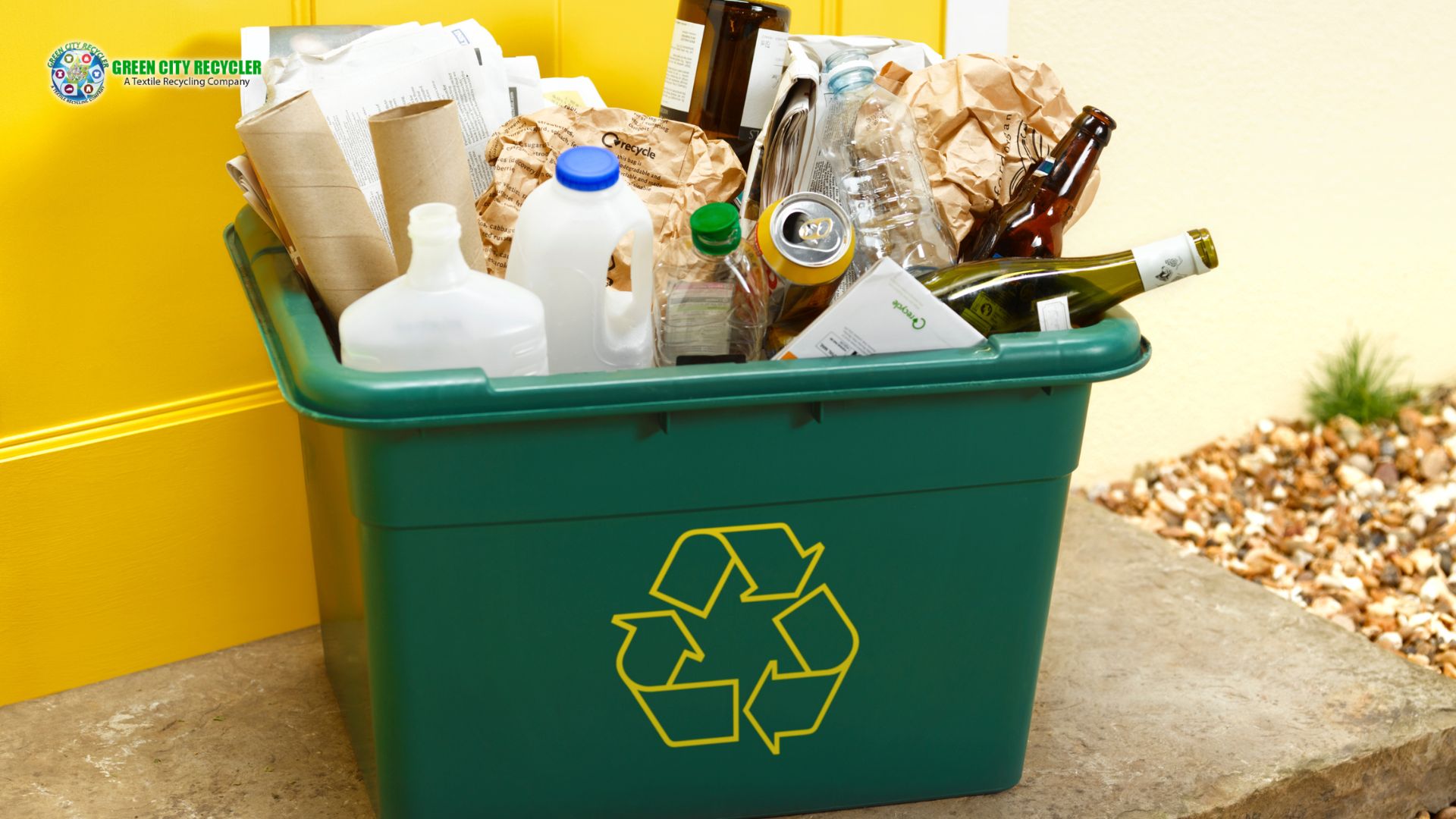
Understanding the recyclable materials is the first step so that you can manage waste responsibly. Here are the common examples of materials you can recycle.
1. Paper and Cardboard:
The most commonly recycled material is paper. For example
- Newspapers
- Magazines
- Office paper
- Cardboard boxes
- Paper packaging
But make sure that paper that is highly contaminated with food and grease may not be recycled.
2. Plastic Containers:
Your house for plastic items can be recycled very easily. But before starting the recycling, rinse the container thoroughly so that no leftover liquid is attached to it. Containers that can be recycled are like:
- Water bottles
- Milk jugs
- Detergent containers
- Food storage container
3. Glass Items:
Glass is a material that you can recycle repeatedly without losing its quality. Also, one thing you must keep in mind is that certain types of glass products, like mirrors, ceramics, and window glass, should be disposed of with their special methods.
The most common recycled glass items you can find in your household include:
- Beverage bottles
- Food jars
- Glass container
4. Metal Products:
Metal is also one of the highly recyclable materials, and it includes:
- Aluminium cans
- Steel food cans
- Empty aerosol cans
- Metal lids
The recycling of aluminium also saves a significant amount of energy compared to producing new aluminium from raw materials.
How to Set Up a Household Recycling System:
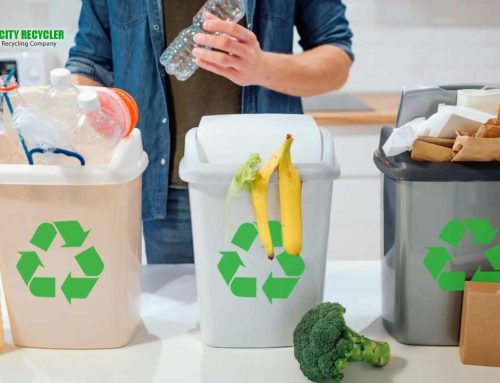
You can follow and create a very simple recycling routine so that this process can become easy for everyone in the home.
I. Separate Waste Categories:
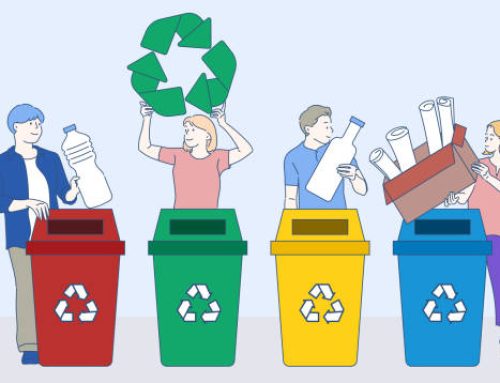
Place separate bins for:
- Paper and cardboard
- Plastic
- Glass
- Metals
In this way, it would become super easy and efficient for family members to sort items instead of mixing everything.
II. Clean Recyclable Materials:
If you recycle materials that are dirty, it will contaminate your entire batch of recycling. That’s why it is beneficial to quickly rinse containers before placing them in recycling bins. It would take only a few seconds to clean up and would improve recycling efficiency.
III. Learn Local Recycling Rules:
The guidelines for recycling change from location to location. That’s why it’s important that you check your local recycling requirements to ensure that the materials are being accepted.
Common Recycling Mistakes to Avoid:
Making a recycling mistake is unintentionally common in households.
➢ Wish-Cycling:
When people put questionable items into recycling bins and then hope they can be recycled, that’s when wish cycling occurs.
And unfortunately, it can contaminate the recycled materials and increase the overall processing cost.
➢ Recycling Plastic Bags Incorrectly:
There are special collection program for plastic bags. so instead of facing them in bins check their designated drop of locations in your area.
➢ Ignoring Labels:
The labels of product have properly mention disposal instructions. and by reading these labels you can easily determine that whether you can recycle that item it could be resued or disposed of differently.
The Environmental Benefits of Recycling:
There are several ways in which recycling is creating a long lasting positive impact on environment.
- It reduces the amount of waste sent to landfills
- Recycling is conserving value able natural resources like Timber water and Minerals
- It also helps us to reduce greenhouse gases that are emitted while manufacturing new products
- Last but not the least it in courageous us to develop sustainable habits that future generations can continue.
Role of Green City Recycler:
Responsible recycling starts with educating the public and the involvement of the community in order to have a positive impact on the environment and cleanliness of the area around us. When individuals recycle responsibly, it can lead to cleaner neighborhoods and healthier environments.
Green City Recycler is committed to educating individuals through their programs, whether it’s your first-time recycling or you just want to do a better job reducing waste.
Conclusion:
Recycling households’ everyday rubbish is a great way to protect the planet because it is so easy. If people would simply take the time to separate their rubbish correctly, wash their recyclables, and not make typical mistakes when recycling, they could greatly reduce their waste and conserve valuable materials.
Because every item that is recycled helps create a cleaner and more sustainable future, recycling should become part of people’s lives for the long term with consistent effort and awareness.
FAQ’s
- What household items can be recycled?
Common recyclable items include paper, cardboard, plastic bottles, glass containers, and metal cans.
- Do I need to wash recyclables before recycling?
Yes.Generally, containers should be rinsed to remove food and liquid residue.
- Can plastic bags be recycled?
Many plastic bags require special recycling programs and should not always be placed in regular recycling bins.
- Why is recycling important?
Recycling reduces landfill waste, conserves natural resources, lowers pollution, and supports environmental sustainability.
- How can I improve recycling at home?
Use separate recycling bins, learn local recycling rules, clean recyclable materials, and avoid placing non-recyclable items in recycling containers.