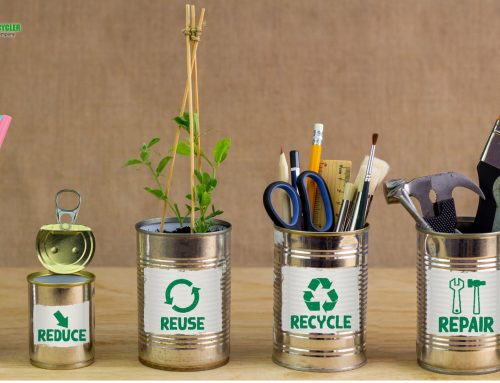
Every day, people throw out things they don’t need anymore. Many of these goods end up in a landfill where they can sit for years. But most of this trash can be repurposed, rather than thrown away. This is when Recycling comes in to play a crucial part.
Recycling is good for the environment . It reduces trash , conserves natural resources , and helps keep our planet healthy . It is one of the simplest steps people, companies and communities can do to help create a more sustainable future. Most of us have heard about recycling. But we may not know how it works or why it is so important.
This guide tells you what is Recycling and why does it matter?
What Does Recycling Mean?
Recycling is the process of gathering, processing and reprocessing discarded materials into new products. Recycling is giving materials a new life instead of throwing them away.
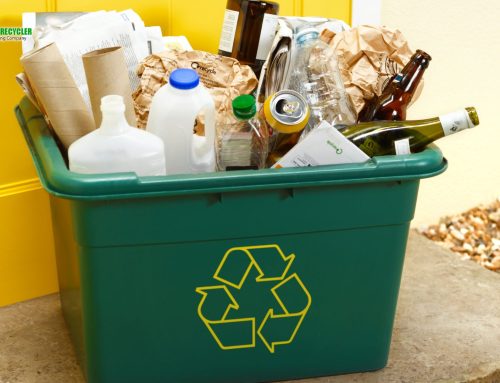
Typical recyclable items include:
- Paper and card
- Plastic bottles & containers
- Glass jars and bottles
- tin cans and
- Products in Steel
- E-waste at some of the facilities
When recycled, manufacturers employ these resources to make new items. This minimizes the requirement for raw material extraction from the environment.
Old paper , for example , can be recycled into new paper goods . Old plastic can be recycled into containers , clothes fibers or packaging .
What is Recycling and How it works?
There are a number of processes in the recycling process.
Collection
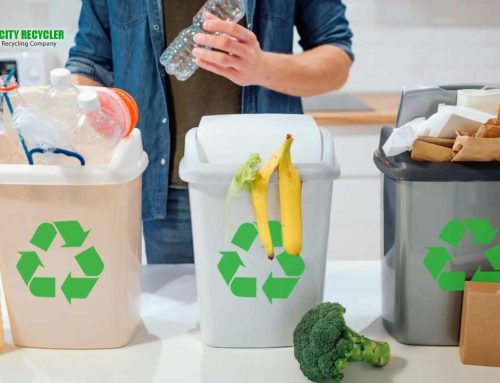
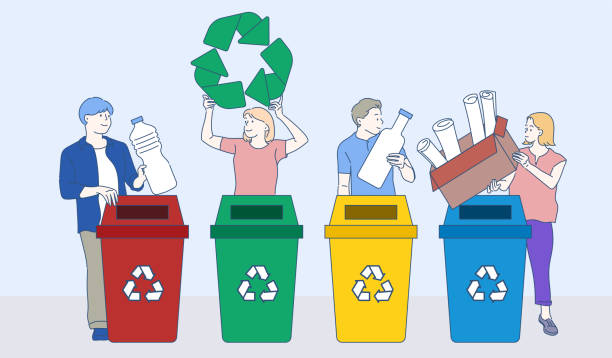
The first stage is collecting recyclable waste from homes, commercial establishments, educational institutions, and public areas. Recyclables go in the appropriate bins to be picked up.
Sorting
After collection, recycling facilities segregate materials by category. Paper, plastic, glass and metal are separated into different piles by automated equipment and workers.
Processing
The materials are cleaned and processed at the facilities to prepare them for manufacturing. For example, paper can be shredded into pulp and plastic can be melted down into pellets.
Manufacturing
Manufacturers employ the processed materials to make new items. These products then go into the market , and the cycle continues.
Purchasing Recycled Goods
By purchasing products manufactured from recycled materials, consumers encourage recycling. This stimulates demand and motivates manufacturers to continue employing recycled resources.
Why Recycling Is Important?
Understanding what is Recycling and why does it matter is vital to know the importance of recycling. It has a variety of environmental, economic and social benefits. Its benefits make it an important aspect of modern waste management.
Cuts landfill waste
Landfills’ area is limited. As people increase, so does the amount of waste produced.
Recycling reduces the amount of items in landfills. This means that towns can lessen the demand for additional waste sites and the environmental impact.
Less garbage in landfills means less of the unpleasant odors, land utilization, and pollution.
Conservation of Natural Resources
Many products need raw materials from forests, mining, and other natural areas.
The making of paper, for instance, usually needs trees, and metal items rely on ores that are dug out. Recycling cuts down on the need for these resources.
Saving trees, reducing mining, and protecting ecosystems from unnecessary damage is made possible by repurposing existing resources.
Energy Saving
Products made from recycled materials sometimes require less energy to produce than products made from raw resources.
For example, it takes far less energy to make aluminum from recycled cans than from newly mined resources.
Less energy use means saving precious resources and more efficient manufacturing.
Cuts Down Pollution
The extraction and processing of raw materials can lead to air, water and soil contamination.
Recycling does away with the requirement for these activities. So industries can reduce emissions to the environment and reduce pollution.
Cleaner production practices help promote healthier communities and a higher quality of life.
Contributing to Climate Change
Climate change is still one of the largest environmental concerns facing the globe today.
Many industrial processes emit greenhouse gases into the environment. Less production and resource exploitation means less energy use .
This leads to lesser greenhouse gas emissions to be released in the environment. It helps global efforts to delay climate change and lessen its impact.
Economic Benefits of Recycling
It’s good for the planet to recycle.
Jobs Creation
The recycling business supports thousands of employment in collection, transportation, processing and production.
Workers assist sort recyclable materials and turn them into marketable goods. It generates jobs in numerous fields.
Boosts Local Economies
Recycling programs also often help local economies thrive. Communities that build recycling infrastructure can also profit from recovered materials.
The business can also benefit from recycled raw materials that may be cheaper than newly extracted raw materials.
Decreases Waste Management Costs
Costs of Waste Landfilling is Costly . Communities have to pay for transportation, upkeep and landfill operations.
Recycling initiatives can save money on waste dumped in landfills over time.
What can I recycle?
If we do it right, many of the things we throw away can be recycled.
For example:
- Magazines and newspapers
- Cardboard boxes
- Beverage bottles, plastic
- Glass jars
- Aluminium cans
- Steel food tins
- Some electronic stuff.
- Batteries at approved sites
The rules for recycling depend depending where you are. Check local guidelines before placing goods in recycling bins.
How to Help Recycling?
We can all help create a more sustainable future through basic everyday practices.
Some concrete steps include:
- Keep recyclables separate from trash
- Recycle only clean containers
- Waste less
- Reuse products as much as possible
- Buy recycled products
- Find out local recycling regulations
When embraced by huge numbers of individuals, small actions can result in meaningful consequences.
Conclusion
Understanding what is Recycling and why does it matter is considerably beyond a waste management practice. It helps reduce landfill waste, save natural resources, save energy, reduce pollution and aid economic growth. As environmental concerns continue to grow, recycling is still a viable solution that benefits people and the world.
It is an important aspect of Recycling that can be integrated into our daily lives. By doing so, individuals and communities may contribute to create a cleaner, healthier and sustainable future. Recycling is a step toward saving vital resources for future generations. Every item you recycle counts.
Want to Make a Difference with Responsible Recycling?
At Green City Recycler, each recycled item helps us to build a cleaner and more sustainable future. Whether you’re a homeowner, company owner or organization, our recycling solutions make it simple to decrease waste and protect the environment.
Call Green City Recycler today to find out how we can help you recycle smarter and make a difference in our community.
Frequently Asked Questions
- What does recycling mean?
Recycling is when you take old materials and make new things from them instead of sending them to landfills.
- Why is recycling important?
It lowers waste, saves resources, conserves energy and preserves the environment.
- What materials can be recycled?
Paper, plastic, glass, metal, and even electronics are commonly recyclable.
- Is recycling good for climate change?
Yes, recycling reduces greenhouse gas emissions because it eliminates the demand for raw material extraction.
- How to recycle correctly?
Please adhere to your local recycling rules, correctly sort goods, and empty containers before recycling them.