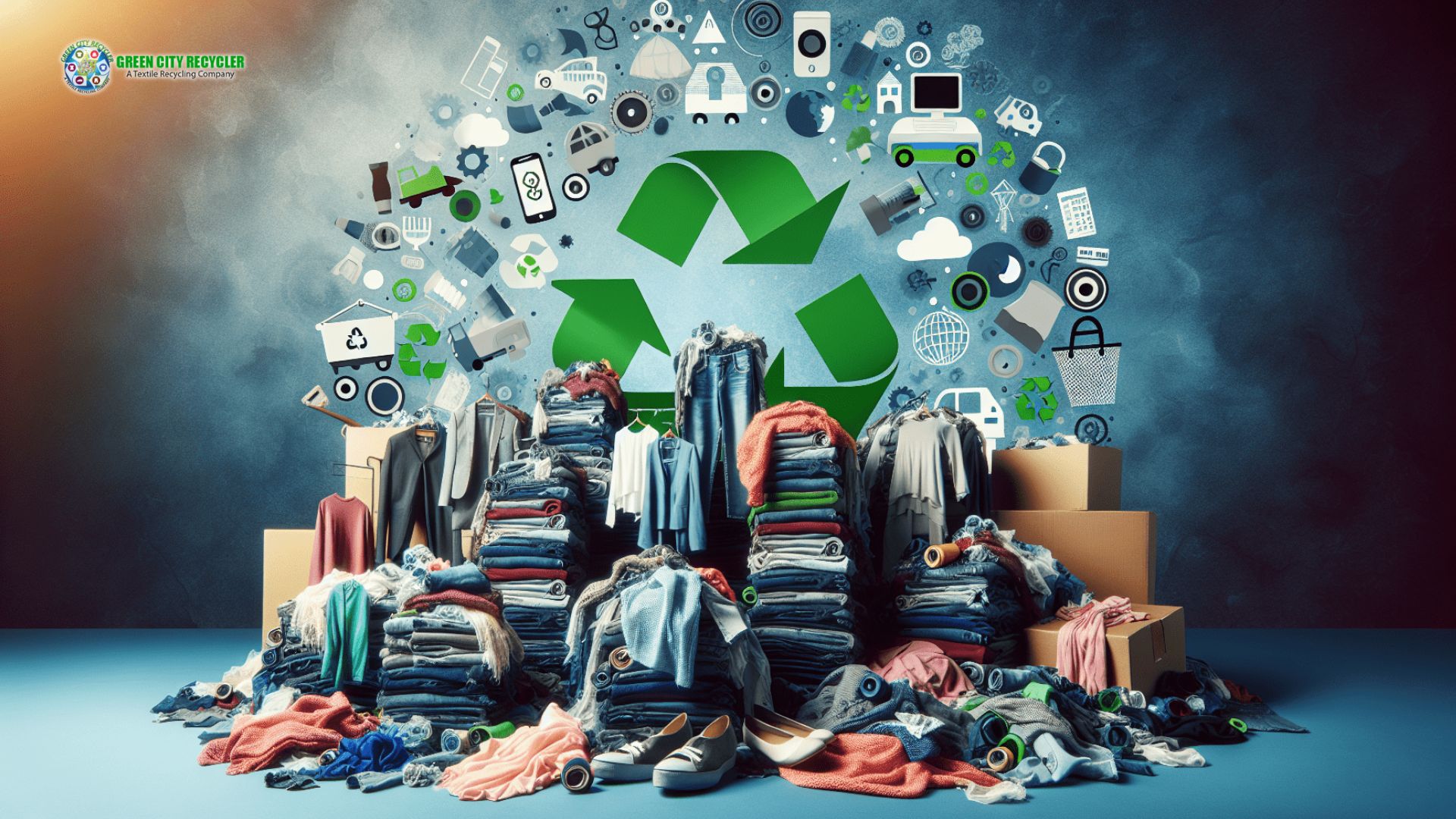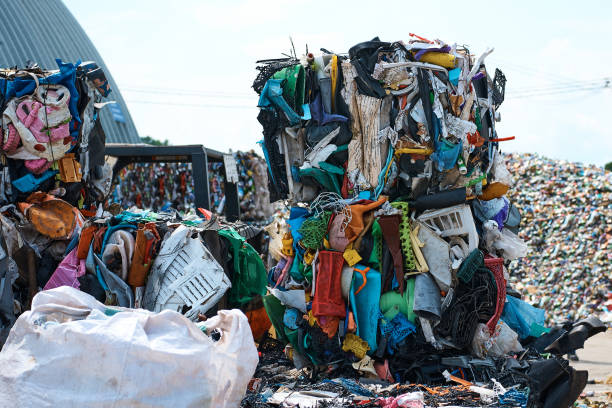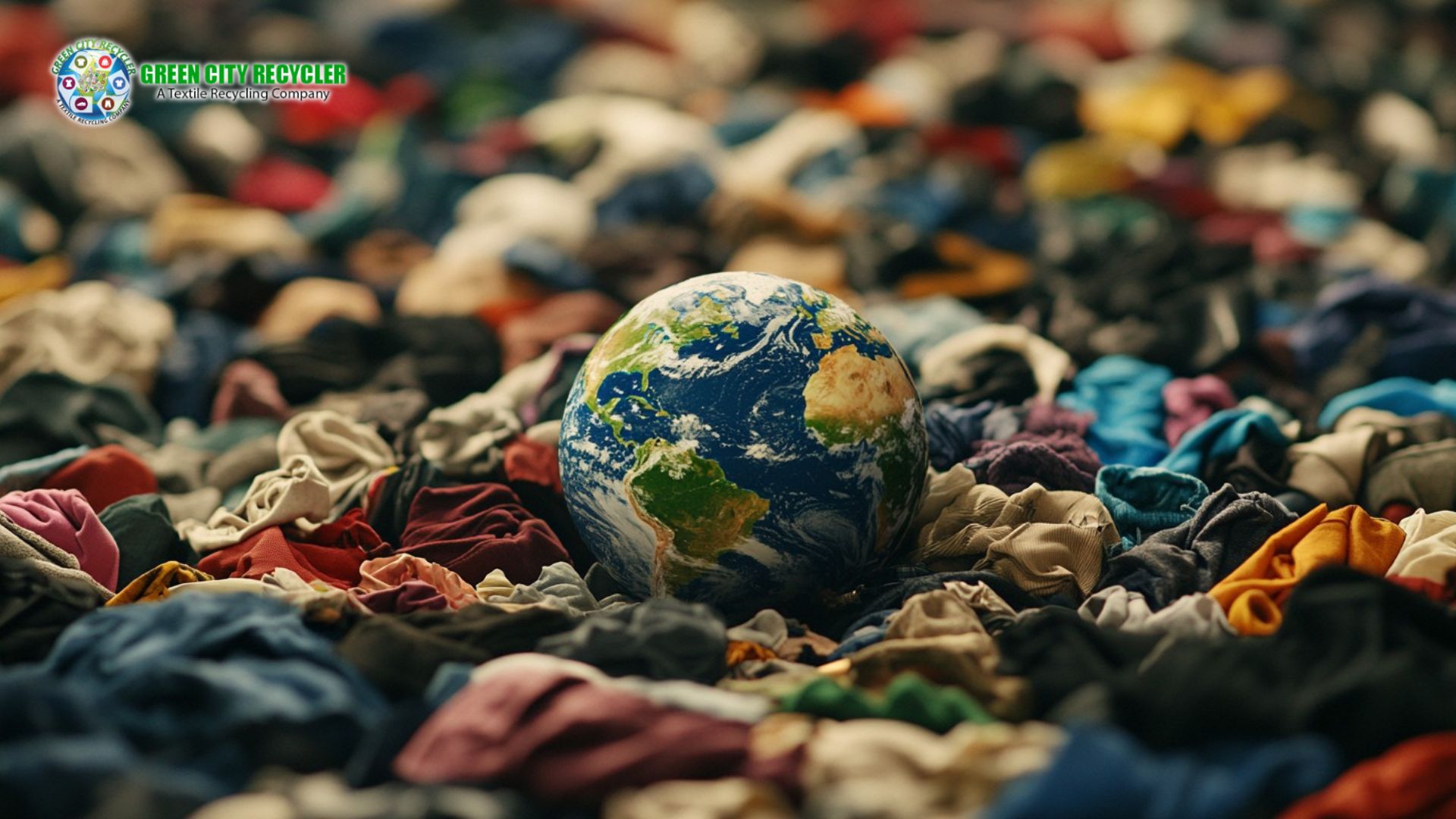
One of the most innovative and powerful industries in the world is fashion. It sets trends, supports millions of jobs, and is a big part of the world’s economies. But it also makes a big problem for the environment. Fashion is one of the biggest causes of pollution in the world since millions of tons of clothes and fabric waste are thrown away every year.
This is How Textile Recycling Helps the Fashion Industry by making it more environmentally friendly, affordable, and responsible. Recycling helps the earth stay clean by turning trash into useful things. It also helps companies, manufacturers, and consumers in the long run.
The Fashion Industry’s Environmental Challenge
Fast fashion has revolutionized how clothes are made and worn. Brands put out new collections swiftly, and people buy more than ever. Sadly, most of these clothes are only worn a few times before they are thrown away.
People are throwing away clothes they don’t want, and synthetic textiles take decades to break down. Making textiles also uses a lot of water, energy, and chemicals. The fashion industry is being pushed to have less of an effect on the environment as people become more aware of it. Recycling textiles is a useful way to deal with this rising problem.
What does it mean to recycle textiles?
Collecting old clothes, fabric scraps, and textile waste and turning them into products that may be used again is what textile recycling is all about. You can make new yarns, textiles, insulation, cleaning cloths, or even new clothes out of these things.
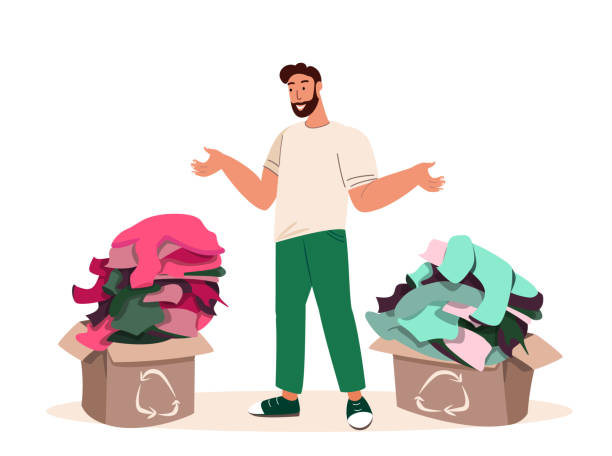
Recycling clothes and other textiles cuts down on waste and makes things last longer. Instead of going to landfills, worn clothes can be repurposed. This method helps the environment and promotes responsible production in the fashion industry.
Cutting down on waste in fashion production
One of the best things about recycling textiles for the fashion business is that it cuts down on waste. While making clothes, a lot of fabric scraps are left over. People often throw away this trash if they don’t recycle it.
Fashion companies may cut expenses and help the environment by recycling textile waste. A lot of firms now save scraps and cutting debris to use in new designs. This is how textile recycling helps the fashion industry by cutting down on the amount of waste that goes to landfills and encourages more efficient ways of making things. Just as a certified arborist tree service promotes eco-friendly practices for tree care, the fashion industry can adopt similar sustainable approaches for waste reduction.
Cutting the Cost of Production
Over time, textile recycling can help fashion firms save money. Making garments using recycled materials sometimes takes less energy and resources than making them from new materials.
Using recycled fibers can help you save money on chemicals, water, and shipping. Recycled fabrics are getting cheaper and easier to find as recycling technology get better. This helps fashion companies stay competitive and reach their goals for sustainability.
Protecting Natural Resources
The fashion industry needs a lot of natural resources, like cotton, wool, and water. Growing cotton takes up a lot of land and water on its own. Fossil fuels, which are scarce and bad for the environment, are needed to make synthetic materials.
Recycling textiles cuts down on the need for new resources. The fashion business may save water, energy, and raw materials by employing fibers that are already there. This helps keep ecosystems safe and makes sure that resources are still there for future generations.
Lowering Your Carbon Footprint
A lot of greenhouse gases come from the fashion business. From getting raw materials to making things and moving them, emissions happen at every step.
By cutting down on the demand for new production, recycling textiles cuts down on carbon emissions by a large amount. When you recycle materials, they take less energy to process, which means they release less pollution. As firms start recycling textiles, they go closer to reaching their climate targets and having less of an impact on the environment.
Helping brands that make eco-friendly clothes
People currently care more about the environment and like products that are eco-friendly. Fashion businesses can match these expectations by reusing textiles. Brands may improve their image and gain the trust of eco-conscious customers by using recycled materials.
Sustainable fashion is now a mainstream market. Brands that recycle are more likely to get loyal consumers, good press, and stand out in a crowded market.
Promoting a Circular Fashion Economy
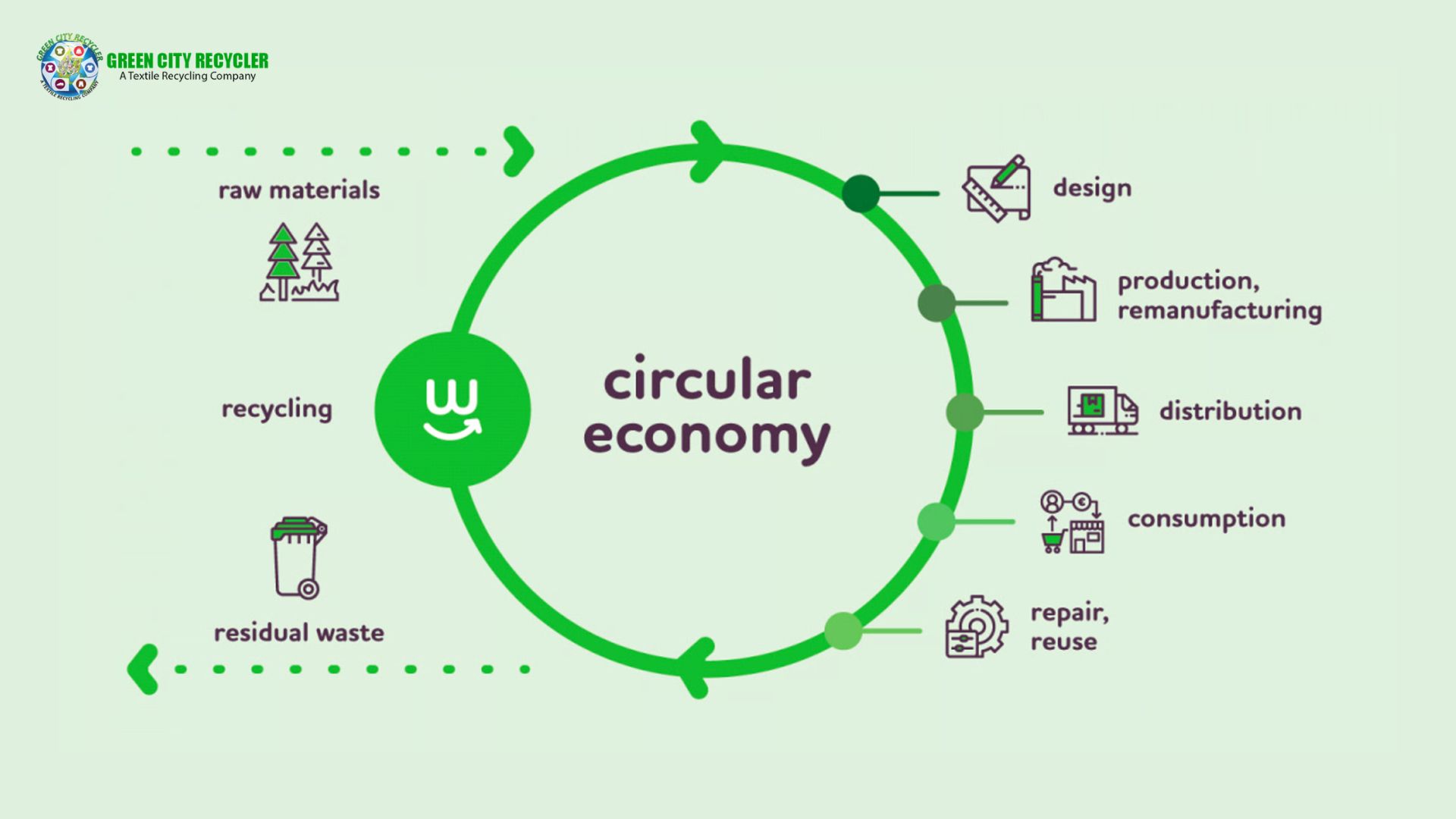
Recycling clothes is an important part of making fashion a circular economy. The circular approach is different from the linear model of produce, use, and throw away. It emphasizes reuse and regeneration.
People collect old clothes, recycle them, and make new things out of them. This keeps things in use longer and cuts down on trash. A circular fashion economy makes the industry and the environment better by making the system more sustainable.
Making new jobs and new ideas
Still wondering How Textile Recycling Helps the Fashion Industry? Recycling textiles helps create jobs all along the supply chain. All of the steps of collecting, sorting, recycling, and making things require trained workers. This leads to new jobs and fosters new ideas.
A lot of businesses are putting money into new recycling technologies to make fibers better and more efficient. These new ideas help the fashion business grow and change to meet the needs of the environment.
Following the rules and reaching global sustainability goals
All throughout the world, governments are making environmental rules tighter. Fashion firms should cut down on waste, lessen emissions, and be more open about their business practices.
Recycling textiles helps brands follow these rules and reach global goals for sustainability. Companies that start recycling early are better prepared for future legal and environmental needs.
Teaching people and encouraging them to be responsible
Recycling textiles also teaches people how to make smart fashion choices. When brands talk about recycling programs, take-back programs, and collections that are good for the environment, they urge people to buy things with care.
People become more aware of how their clothing choices affect the environment and are more willing to discard or donate clothes they no longer wear. This shared duty makes the fashion business more sustainable as a whole.
Why recycling clothes is the future of fashion
Textile recycling isn’t simply a fad; it’s the way the fashion industry will go in the future. It helps save resources, cut expenses, match customer expectations, and cut down on waste. Brands that support recycling are more likely to do well in the long run.
As sustainability becomes more important around the world, textile recycling will continue to have a good impact on the fashion sector.
Last Thoughts: How Textile Recycling Helps the Fashion Industry
Textile recycling is a great way for the fashion business to help the environment. Recycling helps the environment, encourages new ideas, and boosts the economy by turning trash into something useful. It lets fashion firms do the right thing while still addressing the needs of today’s customers.
Get in Touch with Green City Recycler
Green City Recycler is here to help your business if you need a reliable partner for recycling textiles in an environmentally friendly way. Green City Recycler offers dependable, eco-friendly textile recycling services that help cut down on waste and support a circular fashion economy.
Call Green City Recycler today to take a real step toward a more environmentally friendly fashion business.