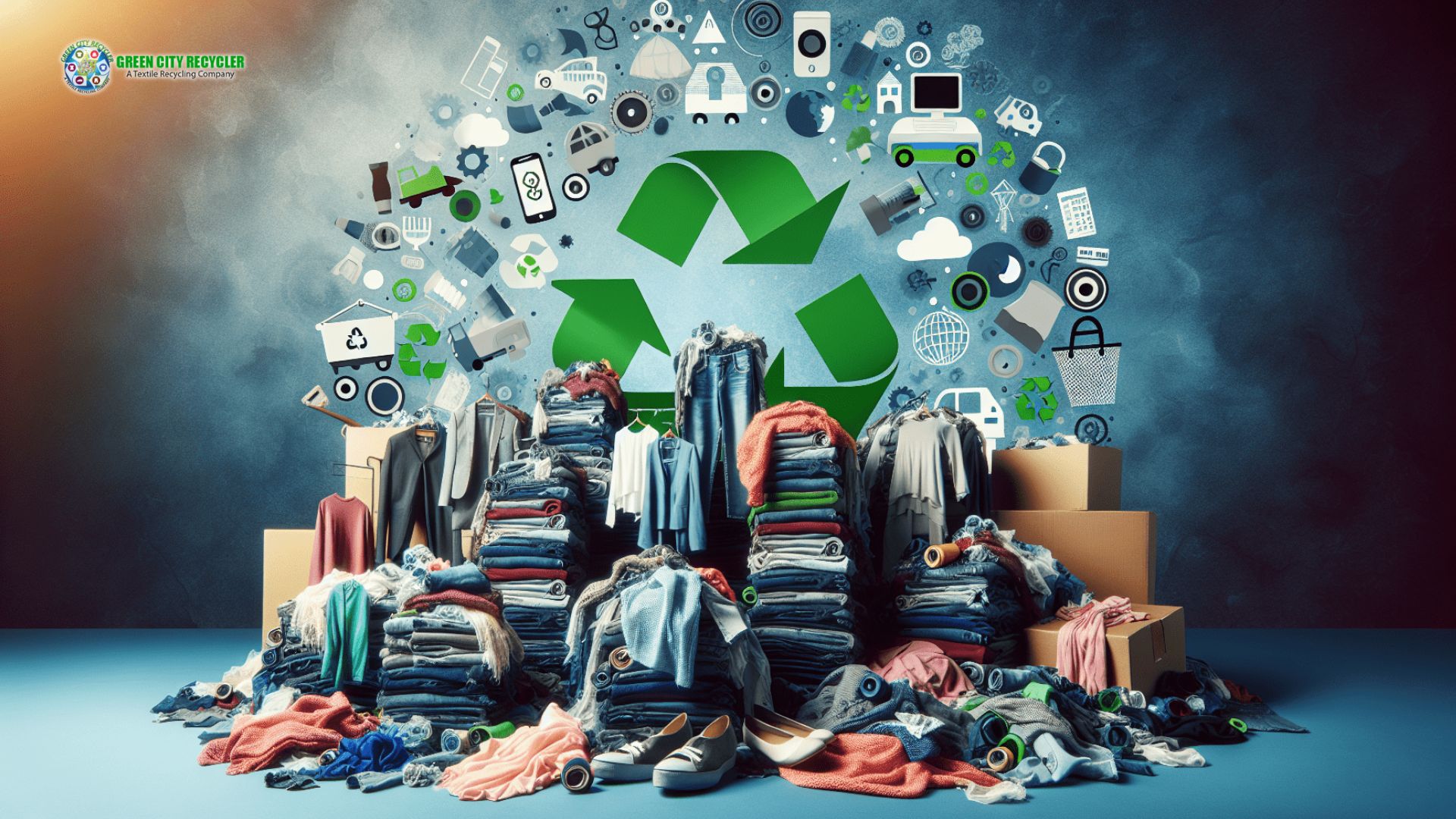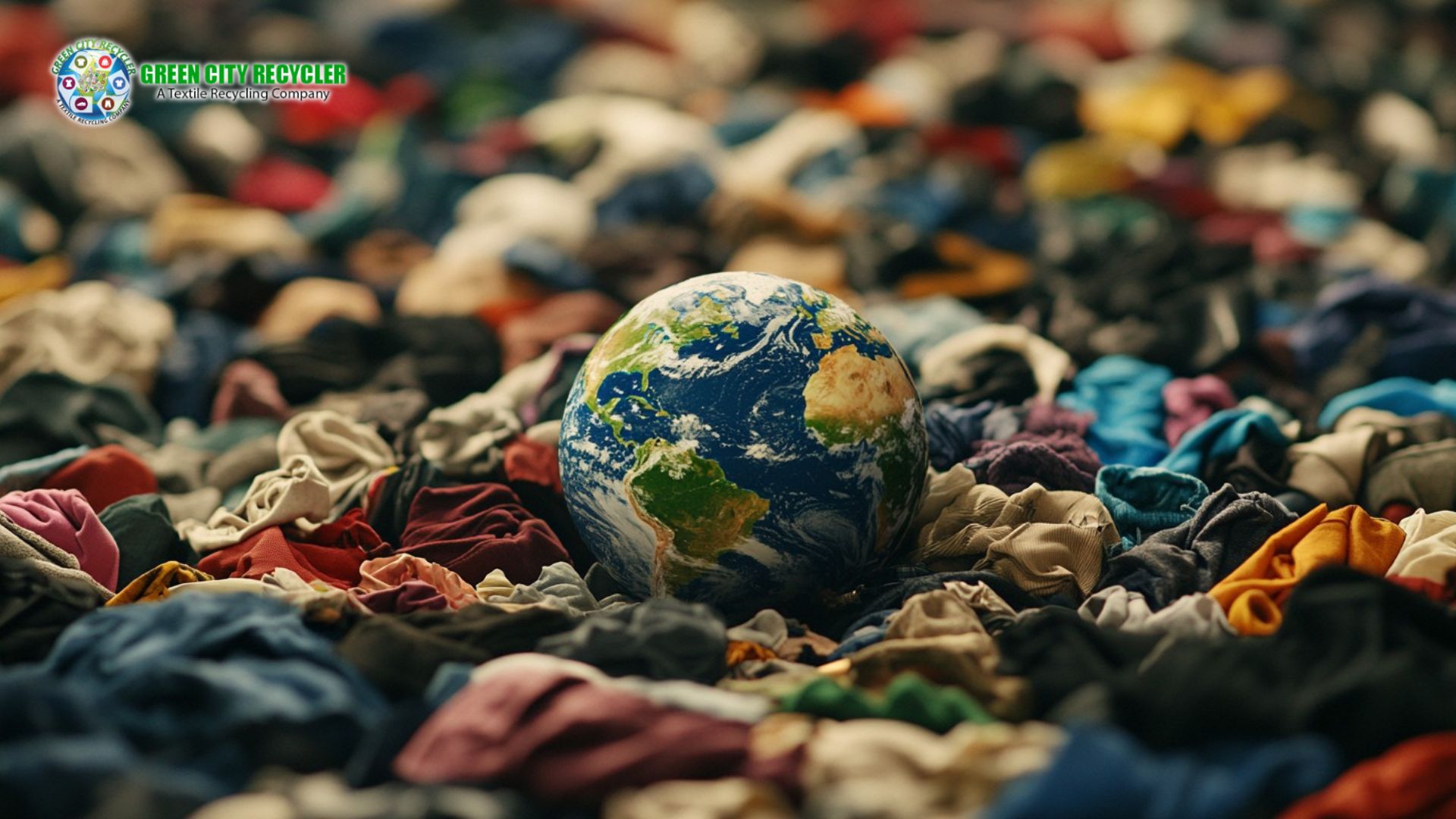
Textile waste is one of the pollution problems that is developing the fastest in the world. Every year, millions of tons of fabric end up in landfills because fast fashion is growing and consumers are buying more items than ever. Because of this, the fashion business now makes a lot of trash, uses toxic chemicals, and releases too much carbon. Textile recycling is a strong answer, which is a good thing. In real and measurable ways, it cuts down on waste, saves resources, and preserves the environment.
Textile recycling may sound hard, but the premise is simple: instead of tossing away old or damaged fabrics, we make something fresh and useful out of them. This procedure protects useful materials from going to waste in landfills. This article will show you step by step how textile Recycling reduces waste in a way that anyone can comprehend.
Textile waste: what it is and why it’s a big problem
It’s crucial to know why textile waste keeps expanding before you learn how recycling helps. People buy more garments now, but they don’t wear them for as long. Even if clothes are still wearable, people throw them away when trends change swiftly. Because of this:
- Fabrics that take years or decades to break down end up in landfills.
- Dyes and chemicals that are bad for the environment go into soil and water.
- Making new clothes takes a lot of water and energy.
- During the making of textiles, a lot of carbon dioxide is emitted.
Recycling is necessary since landfills can’t handle all this extra trash. It helps us get rid of textile waste in a cleaner and more environmentally friendly way.
What is the process of recycling textiles?
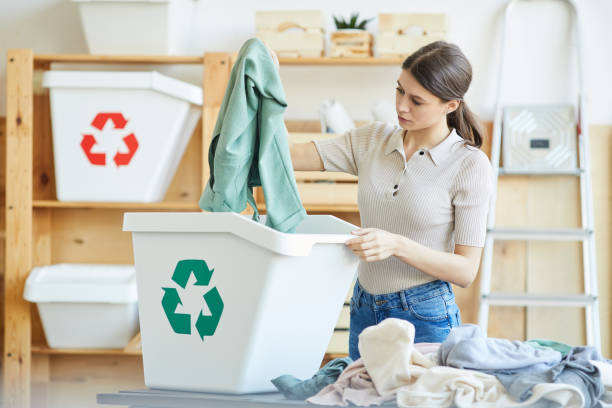
Recycling textiles involves gathering, classifying, processing, and changing old fabrics into new ones. You can then utilize these ingredients to make:
- New clothes
- Cloths for cleaning
- Textiles for industry
- Insulation
- Stuffing for upholstery
- Padding for carpets
- Yarn that has been used before
Fabrics don’t end up in the trash; they get a second chance. This small alteration makes a huge difference in how much trash ends up in landfills.
How recycling textiles cuts down on waste
Now, let’s look at how textile Recycling reduces waste by cutting down on trash at every step.
1. It stops clothes from ending up in landfills.
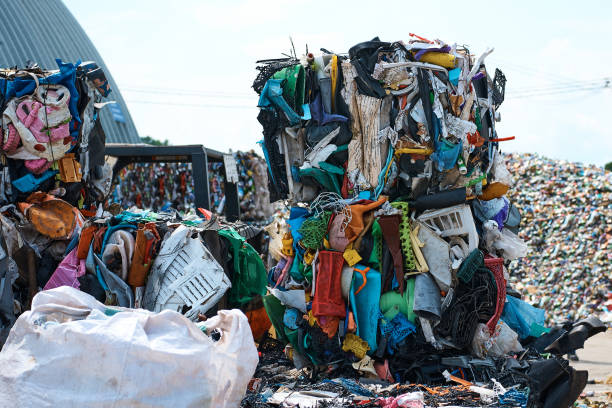
The best thing about recycling textiles is that it cuts down on trash in landfills. Every T-shirt, towel, or bedsheet that is recycled means one less thing in the trash.
Every year, millions of pounds of clothes are thrown away. So, even a little rise in recycling leads to a huge drop in waste. Recycling also keeps dangerous materials like polyester, nylon, and acrylic out of the earth for years because most synthetic fabrics don’t break down easily.
2. It makes fabrics last longer
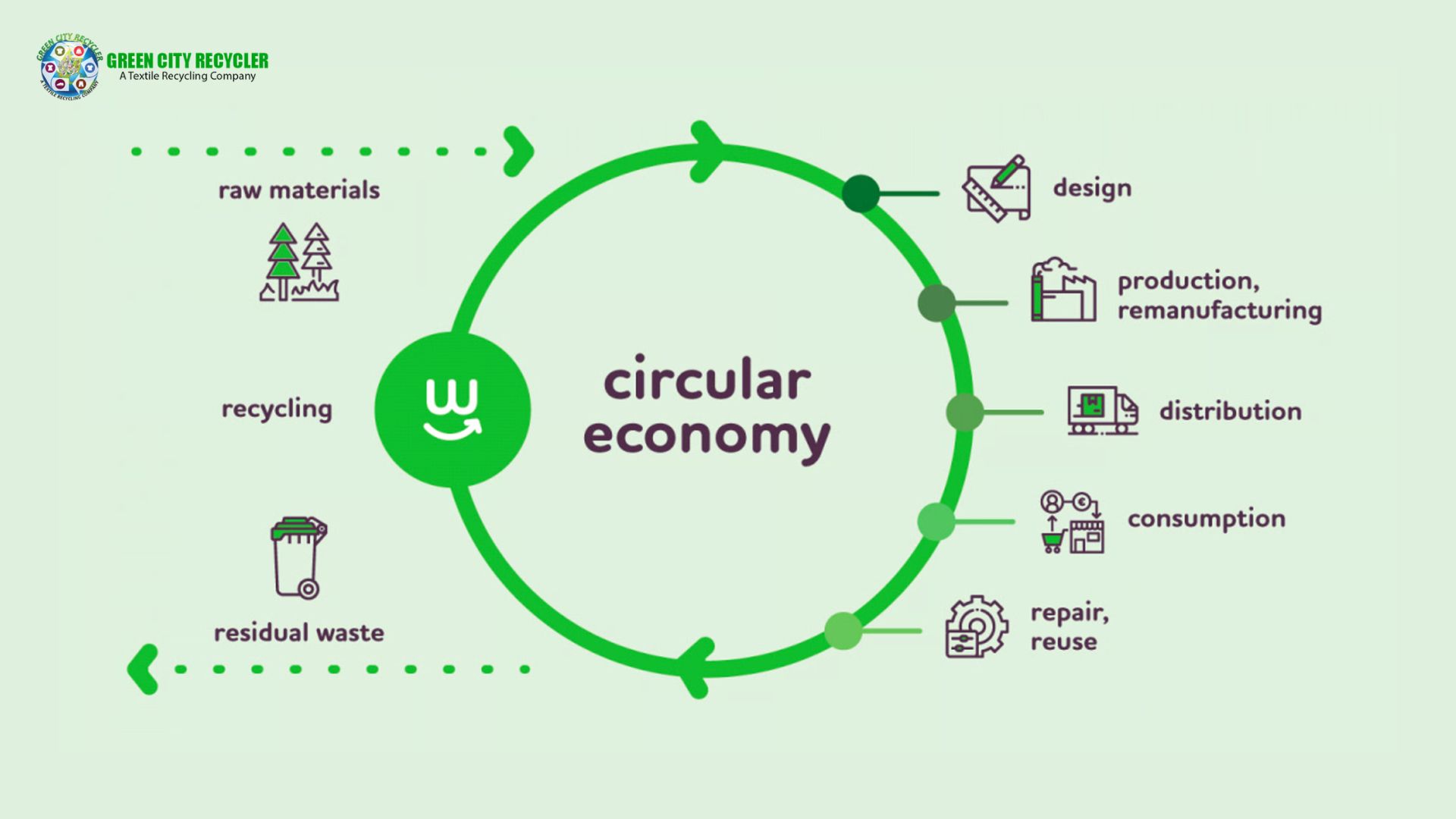
Recycling textiles makes old materials last longer. Recycling lets you utilize the same fibers over and over again, instead of tossing them away after one usage. This makes a circular economy, where things don’t become waste but keep being useful.
For instance:
- You can turn an old T-shirt into cleaning rags.
- Also, you may use old jeans to make insulation.
- You may turn damaged cotton cloth into fresh yarn by shredding it.
- Fabrics last longer and make less waste overall when their life cycle is extended.
3. It cuts down on the need for new raw materials.
Another big way that recycling textiles cuts down on waste is by minimizing the need for raw materials like cotton, wool, and fibers made from oil. When we recycle clothes:
- There ought to be fewer cotton plants planted.
- Farming uses less land and water.
- There are fewer chemicals and pesticides in the environment.
- Making synthetic materials takes less oil.
Because fewer raw materials are used, there is less waste from making things. This helps save natural resources and cuts down on pollution and waste from factories.
4. It uses less water and energy during production.
Making new clothes needs a lot of water and energy. Making only one cotton T-shirt can use more than 2,000 gallons of water. But recycling textiles only consumes a small part of that.
Recycling cuts down on the need for new fabrics, which in turn cuts down on the waste that is made during production, such as:
- Waste of water
- The waste from chemicals
- Waste of energy
- Emissions of heat and steam
This also makes manufacturing less harmful to the environment, which helps make the textile sector cleaner and more sustainable.
5. It cuts down on carbon emissions
Every step of making textiles, from growing the plants to dyeing them and exporting them, emits greenhouse gases. We cut down on these emissions a lot when we recycle clothes instead of making new ones.
For instance:
- Recycling cotton cuts down on the requirement for a lot of cotton farming.
- It takes a lot less energy to recycle polyester than to make fresh polyester.
- Less carbon is discharged into the air when there are fewer manufacturing operations.
Textile recycling helps mitigate climate change by reducing carbon emissions and eliminating waste.
6. It encourages creative reuse and upcycling
Recycling textiles also encourages people to find new and interesting ways to repurpose old fabrics. This is called upcycling, and it cuts down on waste by turning textiles into things that are worth more.
Some well-known instances are:
- Making beautiful bags out of discarded jeans
- Making carpets out of used T-shirts
- Turning old bedsheets into curtains
- Using leftover fabric to make quilts
Upcycling keeps things out of landfills and encourages ethical consumption and sustainable fashion.
7. It helps the fashion industry stay strong
How does textile Recycling reduce waste? A lot of trash comes from the fashion business. But recycling textiles makes companies, factories, and consumers make more environmentally friendly decisions.
A lot of businesses now use:
- Polyester that has been recycled
- Cotton that has been recycled
- Fabrics left behind by the factory
- Ways of making things that are good for the environment
When more brands use recycled materials, there is less waste throughout the whole supply chain. This shift will make the fashion industry cleaner and greener for future generations.
8. It cuts down on the amount of textile waste from factories
Not just homes make textile waste. Factories also make a lot of extra cloth that they throw away. Recycling is a way to solve the problem by taking industrial waste and turning it into valuable things.
For this reason:
- Less garbage from factories goes to landfills.
- Fabric leftovers are used again in a smart way.
- Businesses save money on trash disposal
- Industries are becoming more environmentally friendly.
Recycling helps make production cleaner and less harmful to the environment by cutting down on industrial waste.
How to Help Cut Down on Textile Waste
You can simply help cut down on textile waste by doing these simple things:
- Instead of throwing away clothes, give them away.
- Pick brands that employ materials that have been repurposed.
- Buy fewer, better things.
- Drop off old clothes at local recycling services.
- Help businesses that care about the environment.
These things may seem tiny, but they make a big difference when millions of people do them.
Final Thoughts
How does textile Recycling reduce waste? One of the best methods to cut down on waste, protect the environment, and encourage sustainable living is to recycle textiles. It keeps fabrics out of landfills, cuts down on the need for new raw materials, saves energy, and cuts down on carbon emissions. It also fosters innovation, supports eco-friendly fashion, and helps create a circular economy where nothing goes to waste.
We can help make the world cleaner and greener by learning how recycling textiles cuts down on waste.
Green City Recycler wants you to recycle responsibly
Green City Recycler makes it easy and convenient to help cut down on textile waste. They assist communities in making a better future by offering eco-friendly textile recycling services for homes, schools, and companies.
Start today by teaming up with Green City Recycler to repurpose your old clothes into something useful instead of trash.