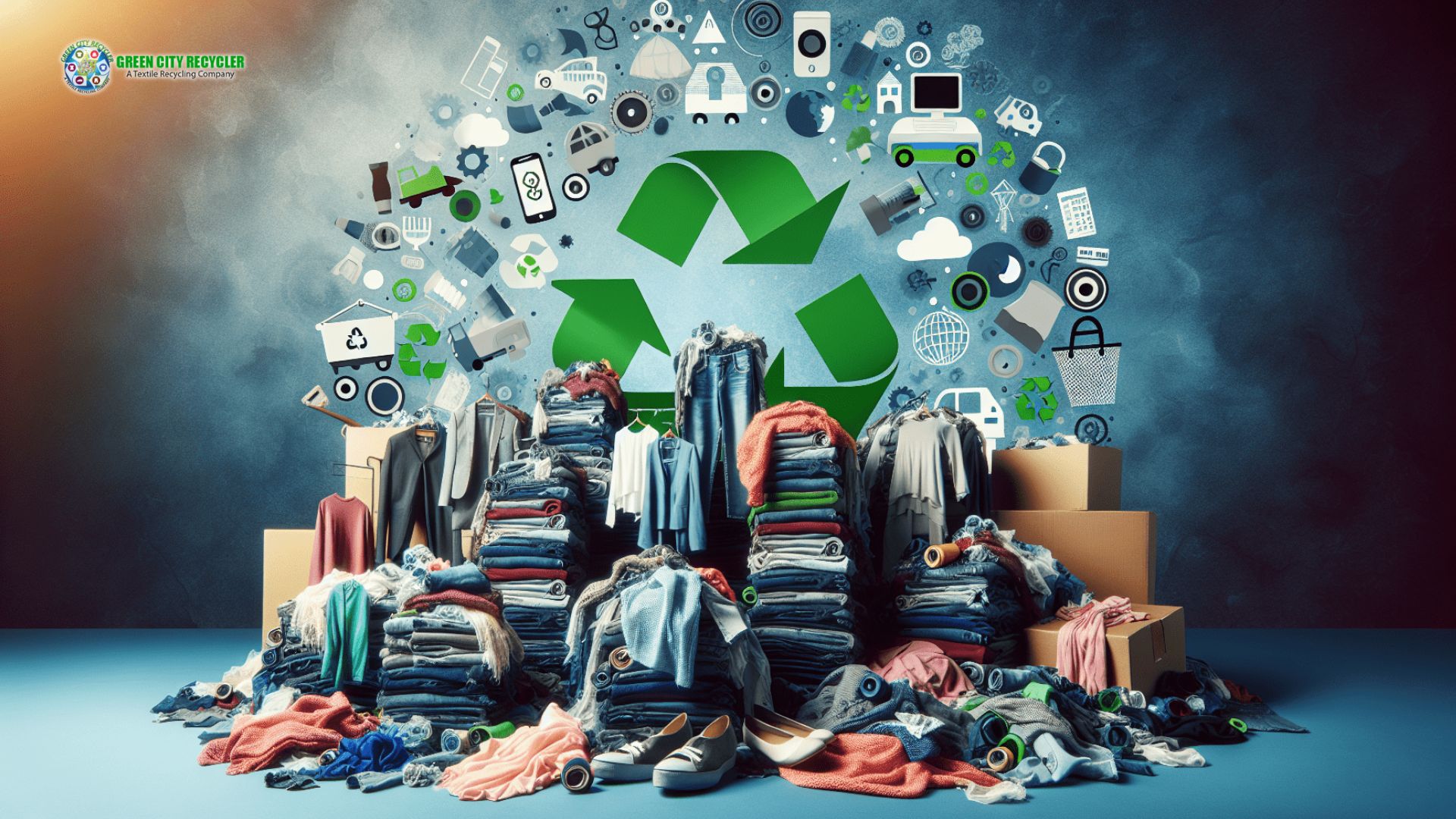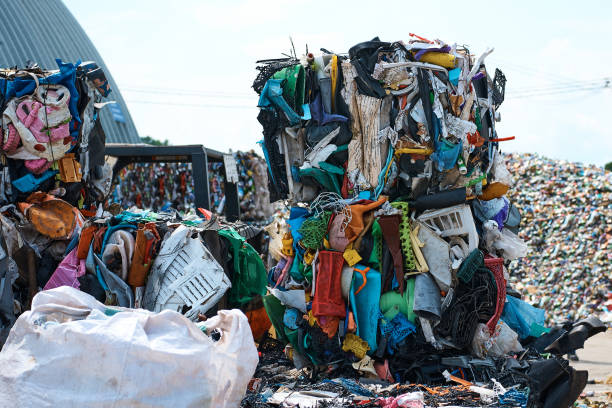
More and more textile waste is being thrown away. Every year, millions of tons of clothes end up in landfills because of quick fashion, shifting trends, and people constantly updating their wardrobes. As a result, this expanding trash problem harms the environment, causes pollution, wastes too much water, and releases too much carbon. Therefore, textile recycling becomes quite significant here. It helps the fashion sector become more sustainable by reducing waste, conserving resources, and supporting a more sustainable industry.
At first, we need to understand how textile Recycling works, as it may seem hard, but it’s actually easier than most people assume. It means gathering, sorting, processing, and making new things out of discarded or rejected fabrics. In this guide, we’ll explain each step in a way that everyone can understand how it works and why it’s important.
What is recycling textiles?
When you recycle textiles, you take old clothes, fabrics, or industrial textile waste and turn them into resources that can be used again. After that, you can utilize these to manufacture new clothes, cleaning cloths, insulation, stuffing for furniture, and even new yarn or fabric.
Recycling textiles cuts down on the quantity of trash that ends up in landfills and saves precious resources like water, energy, and raw materials.
Step 1: Gathering Textiles
The first step in recycling is to collect. You can do this in many ways, such as:
- Bins for donations
- Places to drop off
- Take-back programs at stores
- Recycling firms that come to your door to pick up items
Things that are collected include clothes, bed sheets, towels, curtains, and even remnants of fabric from industries.
Ultimately, the first step is to collect all the things that can be reused or recycled before they go in the garbage.
Step 2: Putting the Textiles in Order
After the fabrics are gathered, workers or machines sort them in great detail. They classify items, such as:
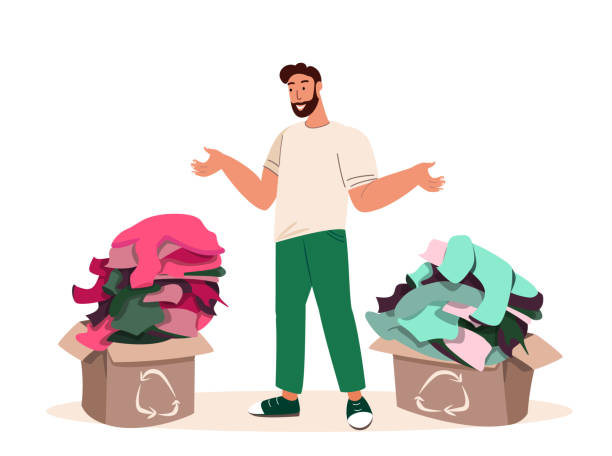
- Clothes that can be used again
- Clothes that are broken and can be recycled
- Cotton, wool, polyester, or mixes of these fabrics
- Things that have zippers, buttons, or other ornamentation
Sorting is very crucial, and it is the first step towards understanding how textile recycling works since various fabrics need to be recycled in different ways. Because of this, people segregate garments that can be used again and send them to be sold. Only things that are broken or can’t be used move on to the recycling stage. Similarly, just like a residential electrician in Santa Clara ensures proper sorting of electrical systems, textile sorting ensures that the right fabrics are handled appropriately.
Step 3: Getting the fabrics ready to be recycled
Textiles need preparation before they can be recycled. This step includes:
- Getting rid of things that aren’t textiles
Things like buttons, zippers, metal hooks, or hard decorations need removal. Workers or machines separate these elements so that just the cloth remains.
- Shredding and cleaning
They wash the fabrics to get rid of dirt, oils, or chemicals. Next, after being cleaned, the fabrics are cut into smaller pieces. This changes them into fibers that can be used again to make new things.
Preparation makes sure the materials stay ready to go through the mechanical or chemical recycling steps.
Step 4: Recycling with machines
One of the most frequent ways to recycle textiles is mechanical recycling. It includes:
- Shredding the textiles into strands
- Carding and combing the fibers to make them soft
- Making new yarn out of the fibers
- You can then use this yarn to make:
- New clothes
- Cloths for cleaning
- Materials for insulation
- Stuffing for cushions and other furniture
Natural fibers like cotton and wool are the most common things that undergo mechanical recycling. However, one problem is that the fibers sometimes get shorter during the process. This implies that the recycled yarn may need mixing with fresh fibers to keep its quality.
Step 5: Recycling using chemicals
Chemical recycling is a more advanced approach that works best on synthetic textiles like polyester, nylon, and acrylic. It breaks down fabrics into their most basic chemical parts.
This is how it works:
- Safe chemicals disintegrate fabrics
- The solution is filtered to get rid of colors, dirt, or contaminants
- Pure polymers are taken out
- New fibers or yarns are made from these polymers
One huge benefit of chemical recycling is that it makes materials look almost fresh again. Therefore, the fibers that have been recycled stay just as robust and long-lasting as new ones.
Step 6: Making and spinning
The recycled fibers continue on to the spinning stage after being processed mechanically or chemically. Here, they convert them into yarn, and then workers weave or knit them into new fabrics. People use these textiles to make:
- T-shirts
- Jeans
- Bags
- Textiles for industry
- Furniture for the home
This stage finishes the cycle by turning trash into high-quality textile goods that people can use.
Step 7: Reduce waste and reuse it
Not all materials can be recycled all the way. Even so, you can make certain low-quality or mixed fabrics into:
- Padding for carpets
- Insulation for cars
- Wipes for the factory
- Filling for construction
This makes sure that even leftover ingredients get used.
Benefits of Textile Recycling
- Reduces Waste in Landfills
Every year, millions of tons of clothes and other textiles end up in landfills. Recycling dramatically cuts down this waste.
- Saves energy and water
Making new fabrics uses a lot of water and electricity. In contrast, recycling helps save natural resources by reducing the need for new materials.
- Reduces Carbon Emissions
Making new fabrics lets out greenhouse gases. Instead, recycling makes the fashion sector less harmful to the environment.
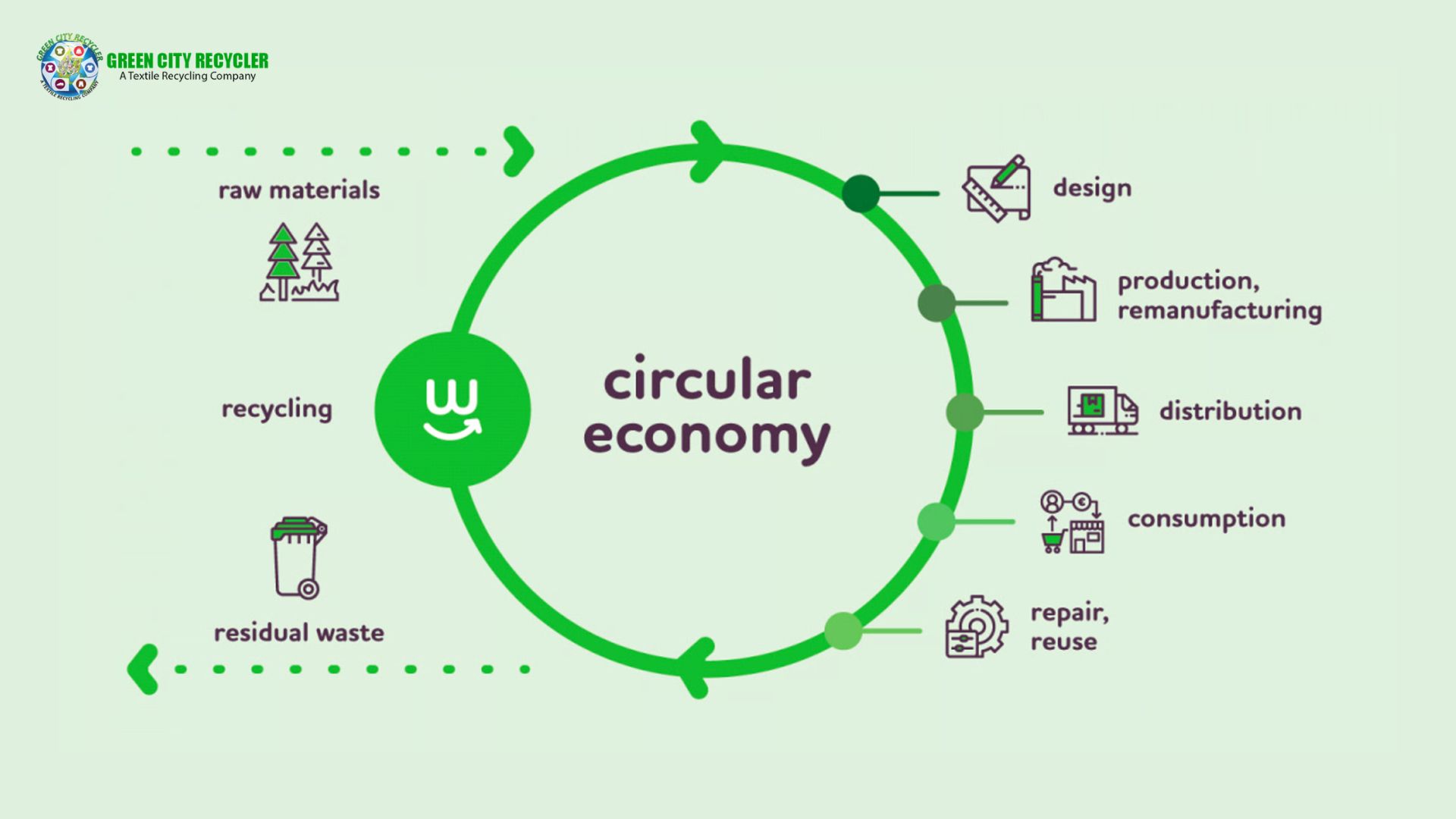
- Helps a circular economy
Recycling helps develop a system where things are used again instead of being thrown away. As a result, it helps both the environment and communities.
How You Can Help Recycle Textiles
You can help recycle textiles by doing these simple things:
- Instead of throwing away clothes, give them away
- Pick brands that employ repurposed materials
- Sort and recycle clothes at home
- Get fewer clothes, but make sure they are of better quality
- Every little bit helps make the world cleaner and more sustainable.
Last Thoughts
How Does Textile Recycling Work? Recycling textiles is a great way to help with the growing problem of trash. From start to finish, the procedure stays quick and good for the environment—from collecting the fabric to sorting it, shredding it, and making new ones out of it. It helps the environment by cutting down on trash in landfills, saving natural resources, and supporting a circular economy. As consumers, minor modifications in how we use and throw away clothes can have a tremendous effect.
Choose a Greener Future with Green City Recycler
Green City Recycler helps you recycle your clothes in a responsible way. They provide straightforward, eco-friendly textile recycling services that make it easy for homes, businesses, and communities to do their part.
Choose to be eco-friendly today by working with Green City Recycler to turn textile waste into something valuable.