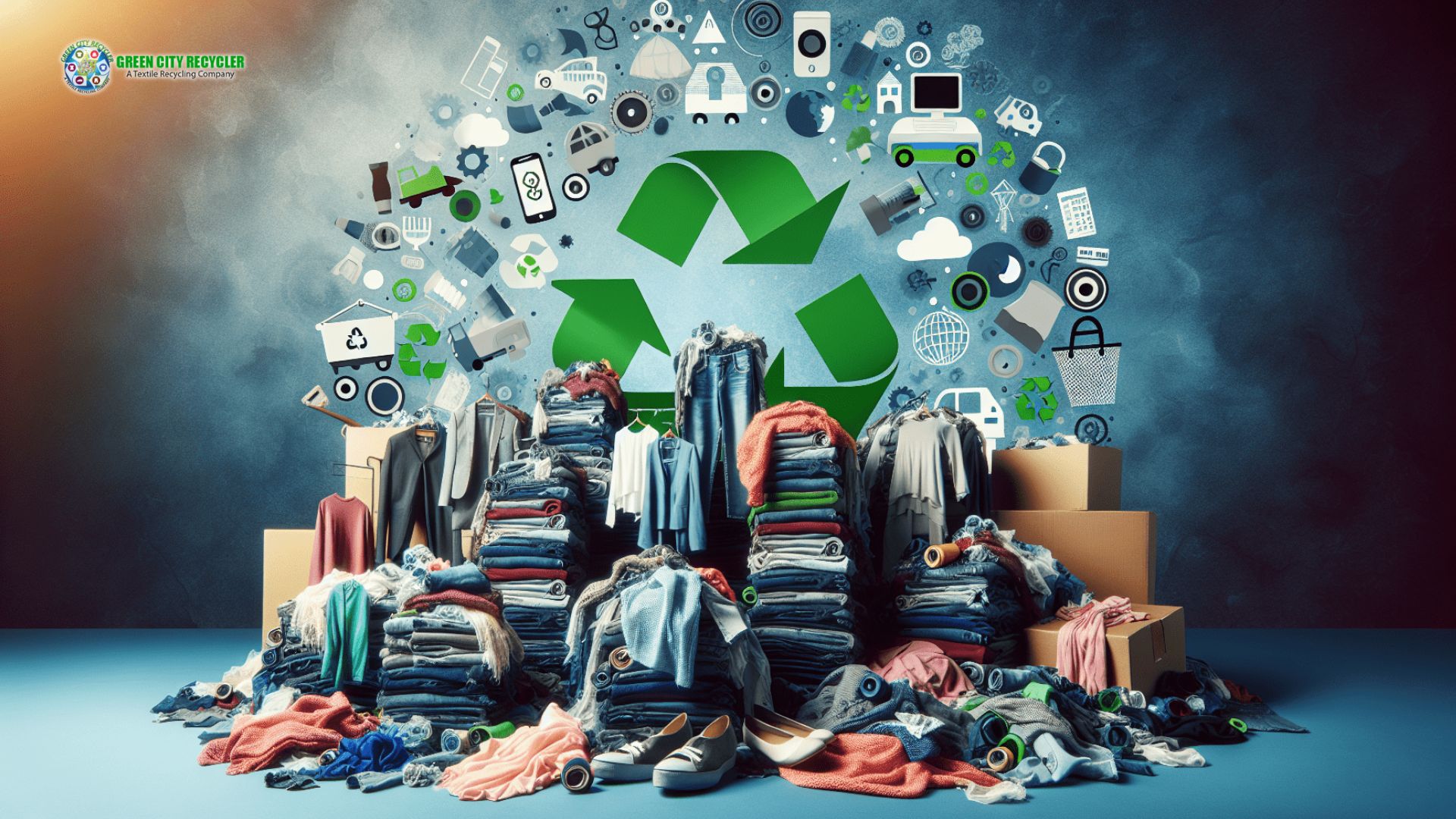

Textile waste is increasing day by day and causing environmental pollution. That’s why families are advised to follow the recycling tips to reduce household waste efficiently.
Moreover, Green City Recycler is also guiding to adoption of sustainable habits, saving resources, and protecting the planet for future generations effectively.
Why Recycling Textiles Matters:
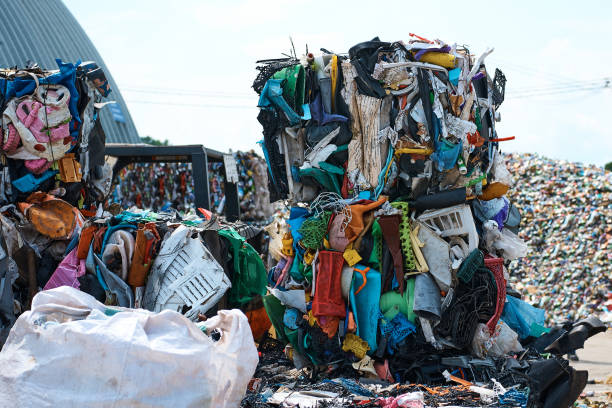
When you discard clothes and fabrics, they often end up in landfills, harming the soil, water, and the ecosystem. When you recycle textiles at home, you support household waste reduction. By this, you can give old garments a new purpose and conserve natural resources responsibly.
Key Benefits of Recycling Textiles:
- Reduction in the landfills’ waste and environmental pollution.
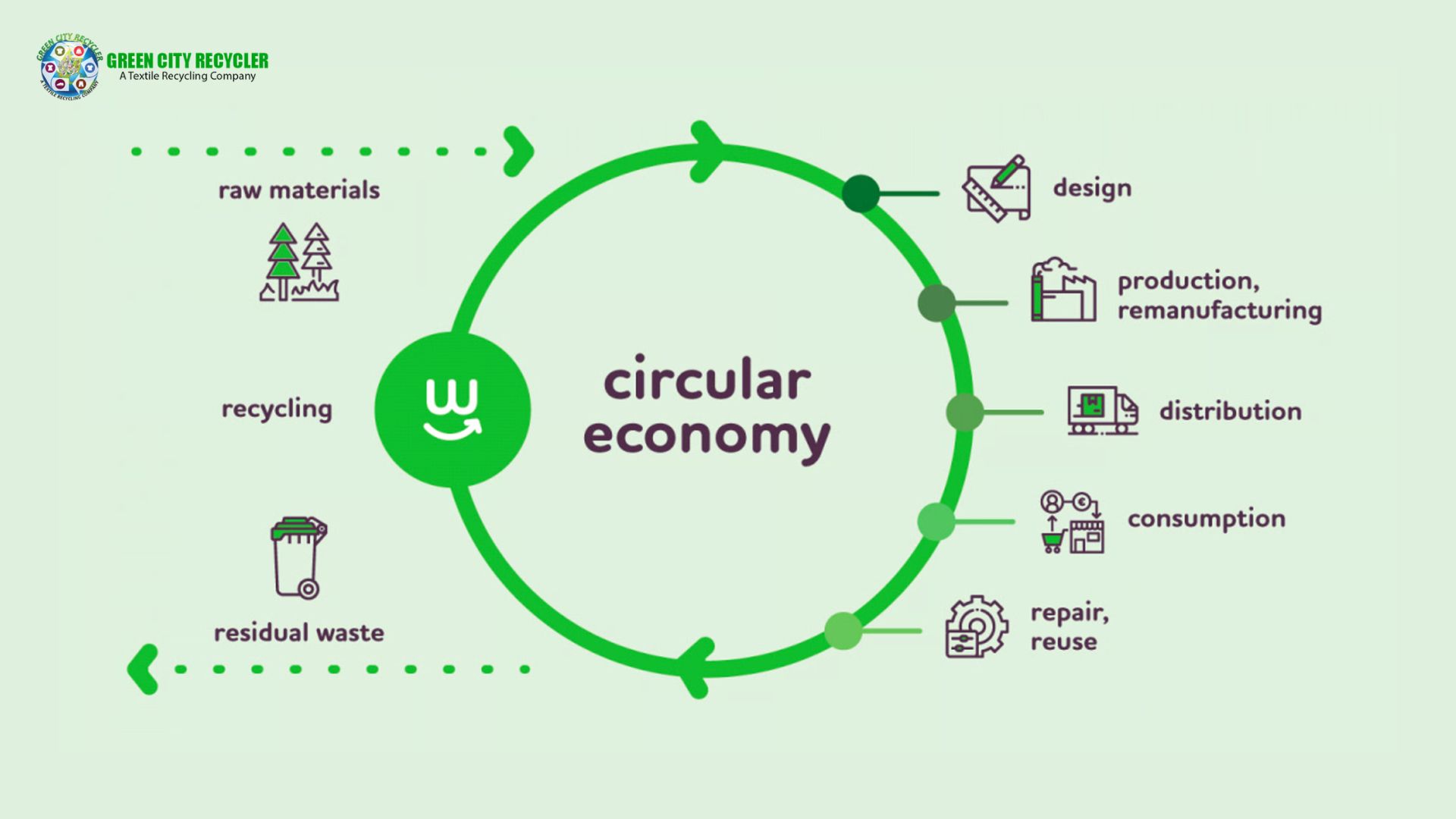
- It would save the energy, water, and raw materials that are being used in the new textile production.
- It would encourage responsible family consumption and sustainable lifestyle habits.
- This would also support the eco-friendly home practices that would inspire our future generations effectively.
Start Recycling Old Clothes at Home:
Families need to sort any old garments, footwear, and fabric into separate groups. By sorting through such items, it will allow for reuse before going to the landfill unnecessarily.
When following the recommendations outlined by GreenCityRecycler, you will be able to recycle effectively in the home and create the most environmental value while consistently promoting sustainable living practices.
1. Donate Usable Clothing:
- Donate the wearable items to the charity and community programs regularly.
- Reduces the unnecessary waste immediately and provides value to others.
- Encourage the reuse and recycling habits for households every day.
- Start adopting the smart home recycling tips recommended by the Green City recycler.
2. Repurpose and Upcycle Fabrics:
- Convert the worn textiles into clothing rags, craft projects, or home decor.
- This would reduce the total textile waste effectively and would extend the lifespan.
- Teach children bout sustainability, responsibility, and mindful consumption.
- This would promote consistent eco-friendly home practices.
Composting Natural Fibers:
You can safely compost natural textiles at home, such as cotton, wool, and linen, by composting rather than sending them to the landfill. Composting is a safe and eco-friendly way of changing textile scraps into a nutrient-rich substance that will improve your garden or soil.
Natural Textile Composting Offers Many Advantages:
- It helps to relieve pressure on landfills.
- It contributes significantly to improving the quality of your garden/plant soil, and
- It encourages individuals to maintain a regular practice of **composting at home** as part of their daily routine.
An Important Note:
Do not compost synthetic materials, as these types of material take much longer to decompose, potentially releasing microplastics back into the environment. By ensuring that you are sorting and composting your natural fibre textiles, you are not only achieving the above benefits, but you are also creating a foundation for future eco-friendly practices in the home.
Choose Second-Hand and Vintage:
- You can shop at trip stores or vintage outlet so that you could reduce the waste.
- Try to reduce the demand for New Textile production that would conserve the natural resources.
- Keep on encouraging reuse and recycle habits consistently at your home that would promote long term eco friendly environment.
Conclusion:
The act of recycling textiles, whether through donating, repurposing or composting, helps reduce the amount of waste generated inside a home and can support the development of sustainable eco-friendly lifestyles.
Families can utilize the resources provided by GreenCityRecycler as a guideline to help them make environmentally conscious choices that conserve planetary resources. When families adopt and implement the home recycling steps detailed by GreenCityRecycler, they are able to not only recycle materials but also reduce waste and encourage sustainable living in future generations.