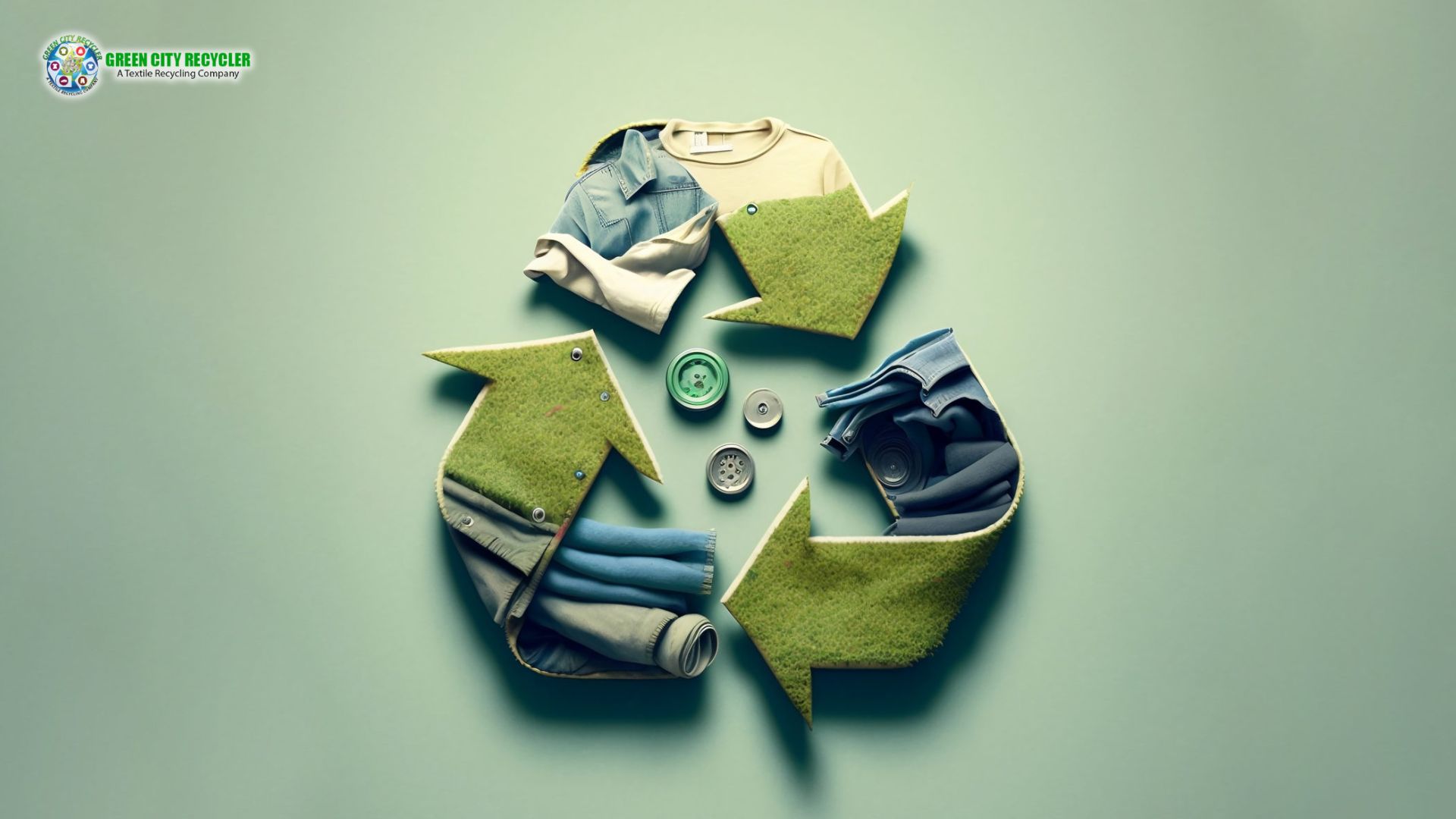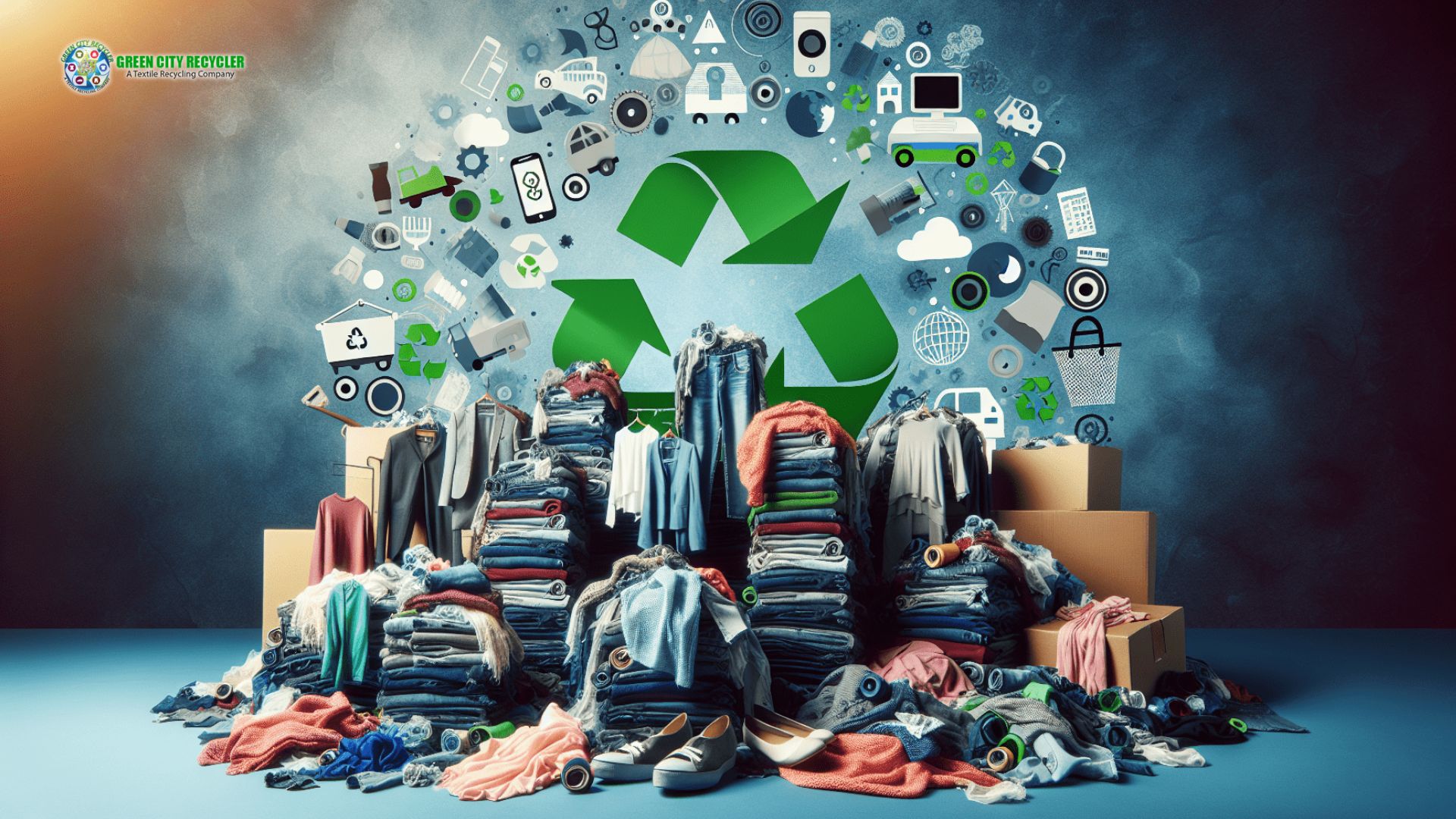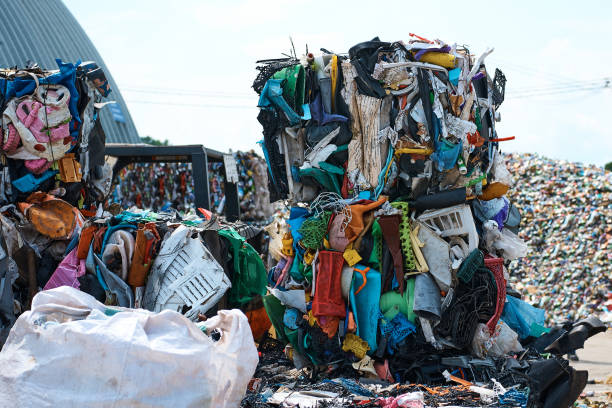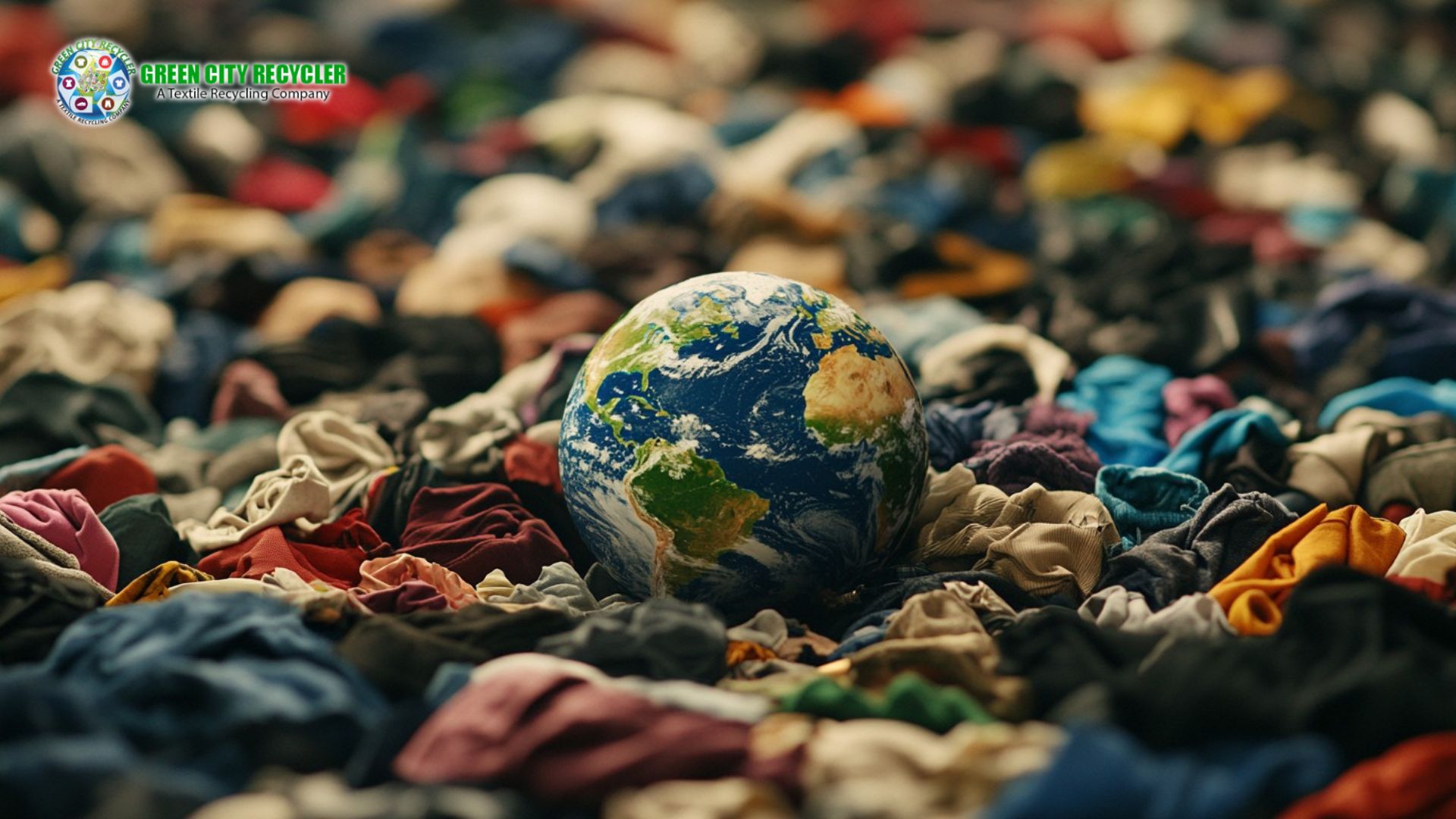
One of the biggest sources of pollution is the fashion and textile business around the world. Each year, millions of tons of clothes and fabric waste are thrown away or burned, which releases dangerous gases into the air. As we get closer to 2026, the need for long-term solutions for textile recycling and the circular economy has never been more important. Textile recycling is one of the best ways to meet this challenge. It is a crucial part of the circular economy.
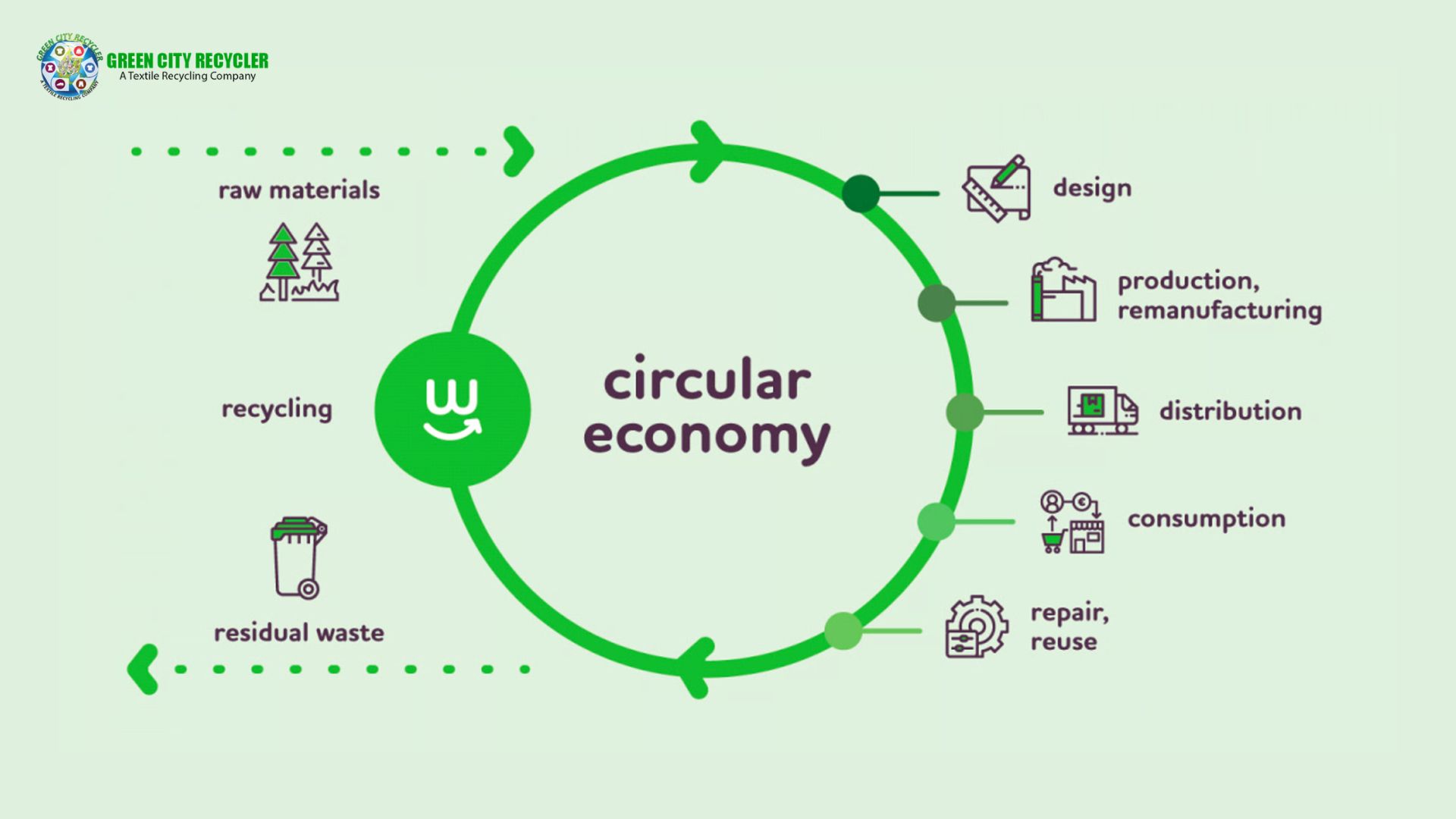
A circular economy tries to cut down on waste, reuse materials, and keep resources in use for as long as feasible. Instead of throwing away old clothes and fabric waste, textile recycling turns them into useful new materials. This is a very important part of the system.
What Does It Mean to Recycle Textiles?
Textile recycling is the process of taking old clothes, fabric scraps, and textile waste and making them into new items or fibers that may be used again. You can use these materials to make new clothes, insulation, industrial rags, carpets, or even raw fibers for making things.
Textile recycling supports a sustainable cycle in which materials are always reused, as opposed to the old “take, make, waste” approach. This method cuts down on the need for new resources like cotton, polyester, and water by a lot.
Learning about the Circular Economy
The goal of textile recycling and the circular economy is to get rid of waste and pollution by design. Instead of making things that are only used once and then thrown away, products are made to be reused, fixed, recycled, or made new again.
In the textile business, this means:
- Making garments that last longer
- Instead of throwing away old clothes, collect them
- Putting fibers back into the production system
Textile recycling is the link that unites people who buy clothes, make clothes, and recycle clothes in this cyclical loop.
Why textile recycling will be more important in 2026
Sustainability is no longer a choice; it is a must by 2026. Governments, businesses, and customers all want businesses to be more environmentally friendly, and rules about how to handle garbage are getting harsher.
This is why recycling clothes is so crucial in 2026:
1. More and more textile waste
Clothing consumption around the world keeps going up because of fast fashion. If we don’t recycle, landfills will fill up with fabric trash that can’t break down and can take decades to break down.
2. Saving Resources
Recycling fabrics cuts down on the requirement for new materials. For example, recycling cotton saves a lot of water, and recycling polyester makes us less reliant on fossil fuels.
3. Carbon Emissions
Making new fabrics uses energy and puts greenhouse emissions into the air. Recycling fabrics uses a lot less energy, which helps lower carbon footprints.
4. Chances to make money
The textile recycling industry creates jobs in collecting, sorting, processing, and making things, which helps the economy become more environmentally friendly.
How Textile Recycling and the Circular Economy Work Together
Recycling textiles helps the circular economy in several strong ways.
Making materials last longer
Recycling lets fibers be used again and again, so you don’t have to throw away clothes after only a few uses. This makes supplies last longer and cuts down on waste overall.
Ending the Production Loop
You can transform recycled fabrics back into raw fibers, which can then be used to produce new things. This makes a closed-loop system in which trash becomes a resource.
Lessening the effect on the environment
When there is less trash in landfills, fewer harmful substances get into the soil and water. Recycling also cuts down on the pollution that comes from burning textiles.
Helping Brands That Are Good for the Environment
A lot of fashion firms in 2026 are using recycled materials to help them reach their environmental goals. Textile recycling gives them the basic ingredients they need to make collections that are good for the environment.
The Part Technology Plays in Recycling Textiles
In 2026, technology will change how textiles are recycled. Advanced sorting systems now use artificial intelligence to sort fabrics by color and type. Chemical recycling technologies can break down mixed fabrics, such as cotton-polyester, into fibers that can be used again.
These new ideas enable recycling textiles faster, easier, and cheaper, which helps the circular economy grow faster than before.
Responsibility of the Consumer in a Circular Textile System
People who buy things also play a big part in making the circular economy work. Some small things can make a large difference, like:
- Instead of throwing away old garments, give them away or recycle them.
- Picking businesses that employ recycled fabrics
- Getting fewer clothes of better quality
- Helping local and qualified textile recyclers
Textile recycling systems work better and are more effective when people actively participate.
Problems with recycling textiles
Textile recycling has problems, even though it has benefits:
Not knowing how to properly throw away textiles
Some areas don’t have enough recycling facilities.
Hard to recycle fabrics that are mixed or dirty
But as more money, education, and policy support go into these problems, they are slowly being solved by 2026.
The Future of Recycling Textiles and the Circular Economy
In the future, recycling textiles will be a big part of sustainable development. More and more nations are introducing legislation that makes brands responsible for managing textile waste. These laws are called extended producer responsibility (EPR) laws. Clothing take-back schemes and other circular fashion models are becoming more common.
As recycling technologies get better and more people learn about them, the textile sector can change from being a significant polluter to a strong force for good for the environment.
In conclusion
Textile recycling is no longer merely an environmental project; by 2026, it will be a key part of the circular economy. Textile recycling and the circular economy help develop a more sustainable and resilient future by lowering emissions, preserving resources, and providing economic value.
Everyone benefits from a circular economy that includes recycling textiles: the planet, businesses, and future generations.
Start Cleaning the Earth with Green City Recycler
Now is the time to act if you want to help make the world cleaner and greener. Green City Recycler wants to turn textile waste into useful materials and help the economy stay strong by promoting a circular economy. Work with Green City Recycler to make a real difference in how textiles are recycled and how they affect the environment.