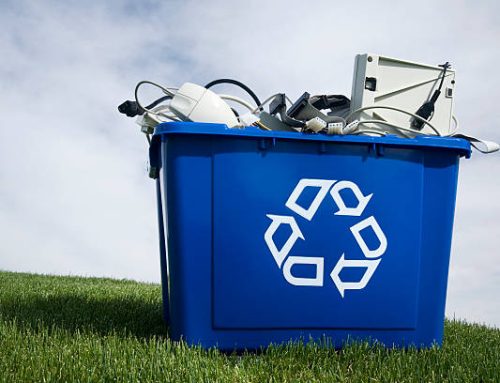
If you are confused about how to start composting, this article is for you. Composting is a simple approach to converting kitchen and garden waste into valuable soil. It reduces waste and naturally improves soil quality. Anyone may start composting at home with only a few simple steps. In fact, composting is a natural process that recycles organic materials, such as leaves, grass clippings, and food scraps, into a valuable fertilizer for plants. It is made using food leftovers, leaves, and natural materials.
Composting decreases the volume of garbage delivered to landfills. In addition, it also helps reduce greenhouse gas emissions and encourages a cleaner environment. It also enhances soil health and helps plants grow better. You don’t need pricey instruments to get started with composting. All you need is a compost bin, kitchen waste, and dry leaves or paper.
Step-by-Step Guide to Composting
Choosing a Compost Location
First, find a spot in your yard or on your balcony for your compost bin. Ensure proper air movement to the region.
Adding Dry Materials
Then add a layer of dry stuff such as leaves or paper. These assist in equalizing the moisture in the compost.”
Adding Kitchen Waste
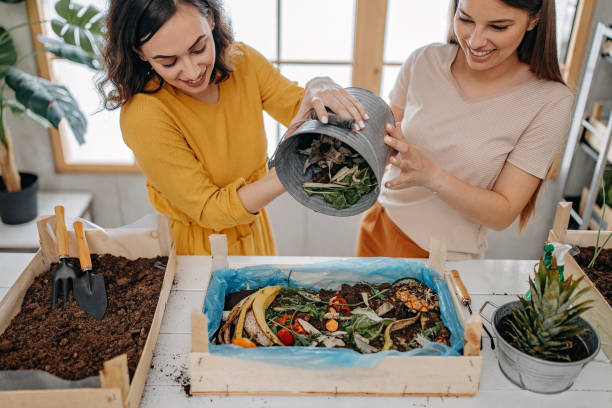
Next, add kitchen garbage such as fruit peelings and vegetable scraps. However, do not eat meat and oily food as they attract pests.
Turning the Compost
Every couple of days, turn the compost to add air. This, in turn, accelerates the breakdown process. Keep the compost damp, but not wet. Water it when it is dry.
Compost Preparation Tips
Cut the garbage into small pieces to speed up the breakdown. Moreover, mix green with brown elements for optimum results. Do not compost plastic, glass, or metal. Remember to turn and check your compost regularly. Overall, composting is a simple and practical way to cut waste at home. It also benefits the environment, and the soil improves. Begin small and develop a healthy compost system over time.
Composting is also a good habit for houses that want to be more sustainable. As a result, it lowers the demand for chemical fertilizers. It also stops organic waste from going to landfill. This is a very significant feature of trash management. Composting is relatively easy, yet many people think it is hard. In reality, all you need is patience and the perfect combination of materials.
Healthy compost helps enhance soil structure and hold moisture. It helps plants flourish in gardens and farms. It also decreases the frequency of watering plants. A compost bin can be purchased or built. Either option is fine when done right. Good air circulation is essential for proper composting.
Balancing Compost Materials
For best results, balance green trash with brown garbage.
For example, Green Waste: Food scraps and lawn clippings. Meanwhile, dry leaves and paper are brown waste. Do not moisten the compost pile too much. It should be like a wet sponge. Compost generally takes a few weeks to months to develop. The time varies with the materials and the weather.
Smaller particles decompose faster in compost. Therefore, shredding the paper can speed up the process. Avoid adding dairy products to your compost. They give off a terrible scent and attract pests. Composting is an easy activity that helps us all. It helps reduce waste in daily life. Anyone can get started with very little effort.
Maintaining Your Compost
Learning how to start composting is easy and works best when materials are added regularly. In addition, balance is an excellent thing to keep. Excess green waste and compost can become moist. On the other hand, too much brown waste can hinder the process. Checking compost weekly helps preserve quality. A good compost is black and crumbly in texture. It smells like fresh soil, too.
Uses and Benefits of Compost
- Compost is used in gardens, pots, and farms.
- Naturally, it enhances plant health. It lowers the demand for chemical fertilisers.
- Composting also allows communities to manage their garbage more effectively.
- It reduces waste in municipal systems. As a result, it leads to a cleaner and greener environment.
- Many cities now promote household composting.
Don’t worry about blunders if you’re a beginner. Composting becomes better with practice and time. All compost systems are a little bit different. You can begin composting in a tiny bin indoors. Meanwhile, outdoor compost piles break down more quickly. Both strategies work effectively if appropriately managed.
Environmental Impact of Composting
Methane is a potent greenhouse gas. Composting reduces methane emissions from landfills. This helps lessen the global warming effect. In addition, tea bags and coffee grounds can also be composted. Eggshells make fantastic compost too. These will naturally break down over time.
Don’t add chemical or treated wood. Otherwise, this can damage the quality of the compost. A good compost pile contains both air and moisture. You should keep it level regularly. Composting is a long-term lifestyle. It becomes easier after a few weeks. Over time, you will see the texture alter. The substance slowly becomes soil.
Good compost should not have a bad smell. Instead, it smells natural and earthy. You can gather compost in the dark. It is prepared for the garden. Add compost to boost soil fertility. It strengthens the plants. Composting is also quite effective at reducing home waste.
Composting as a Daily Habit
How to start composting isn’t something very big. It’s just a simple family habit. You can also educate children on composting. It tells kids about the natural world. In turn, it generates environmental awareness. Composting decreases the demand for garbage collection. This helps cities to manage garbage better. It cuts transport emissions too. “This means cleaner air.”
Composting is for most houses. All you need is space and a few basic materials. You don’t need pricey equipment. It’s cheap and easy. Good compost, of course, adds to soil nutrients. It promotes healthy plant growth. It reduces the use of chemical fertilizers.
Conclusion: Composting in Sustainable Living
In many countries, composting is a common practice. This is an aspect of sustainable living. Each year, more people are taking up composting. It helps to reduce the burden on landfills. While maintaining the recycling operations.
It pairs nicely with waste-separating systems. Don’t panic if you don’t know how to start composting. Today, composting is easier to get started. It takes just a little effort. The advantages build up over time.
- It helps reduce environmental pollutants, facilitating natural cycles.
- It minimizes the amount of garbage produced.
- Excellent for soil health. Because it also helps reduce waste problems.
- It supports environmental protection while being a natural solution.
- It lowers waste efficiently.
Frequently Asked Questions- FAQs
1. What is composting?
Composting is the process of transforming garbage into natural soil.
2. Can I do home composting?
Yes, you may easily start from home.
3. What do I put in the bin?
Food waste, leaves, and paper
4. How long does it take to compost?
“A few weeks to a few months.
5. Is it safe to compost?
Yes, it is all natural and safe.
Ready to take control of your waste?
Contact Green City Recycler today and take a step towards a cleaner and greener future. Let’s begin decreasing trash and promoting sustainable living.