
The textile industry is one of the most influential industries in the world, also it’s also the oldest one. We all know that textiles touch every part of our daily life, whether it is clothing, home decor, medical fabrics, or industrial use. Billions of people depend on fabrics, and this sector continues to grow and innovate.
At Green City recycler, the main focus of our team is to promote sustainability in the textile industry. With the help of recycling and eco-friendly practices. We are studying people. Our mission is to give people solutions for the worldwide increase in textile waste.
For a better understanding of people, the textile industries are divided into three main parts or types
- Natural fibre textile industry
- Synthetic (man-made) textile industry
- Technical and Eco-Friendly Textile Industry
Let’s explore each type in detail.
Natural Fibre Textile Industry:
The natural fibre textile industry uses the fibre obtained from plants and animals. The materials of this natural fibre textile industry are some of the oldest known to humanity, and they’re valued for their comfort and sustainability.
Examples of plant-based fibres: Cotton, Linen, Jute, Bamboo
Examples of animal-based fibre: Wool, Silk, Cashmere
Why the natural fibre matters:
- Natural fibre matters because it’s comfortable to wear.
- They are less harmful to the environment, being biodegradable.
- They are ideal for fashion, upholstery and traditional textiles.
Natural fibres offer both quality and eco-friendliness. That’s why consumers prefer them. Across global markets natural textile industry continues to grow stronger.
Synthetic (Man-Made) Textile Industry:
The synthetic textile industry uses chemical processes to produce fibres. These materials have improved durability, affordability and performance.
Popular synthetic fibres include: Polyester, Nylon, Acrylic, Spandex and Olefin
Advantages of synthetic textiles:
- They are resistant to wrinkles, shrinking and mildew
- They are strong and long-lasting
- Synthetic textiles are quick-drying and elastic
- These textiles are cost-effective for mass production
These features are making synthetic fibres highly suitable for sports and household textiles. Synthetic textile industries are growing rapidly because modern lifestyles are now demanding low-maintenance fabrics.
Technical & Eco-Friendly Textile Industry:
This technical and eco-friendly industry goes beyond fashion, and it basically focuses on specialised, purpose-driven fabrics. These are designed for safety, sustainability and function.
Key categories include:
- Geotech textiles: These are basically used in road building and construction
- Medical textiles: We all know about bandages, surgical fibres, and implants
- Protective textiles: These are the flame-resistant or bulletproof clothing
- Argo textile: As the name suggests, fabrics are used in farming and agriculture
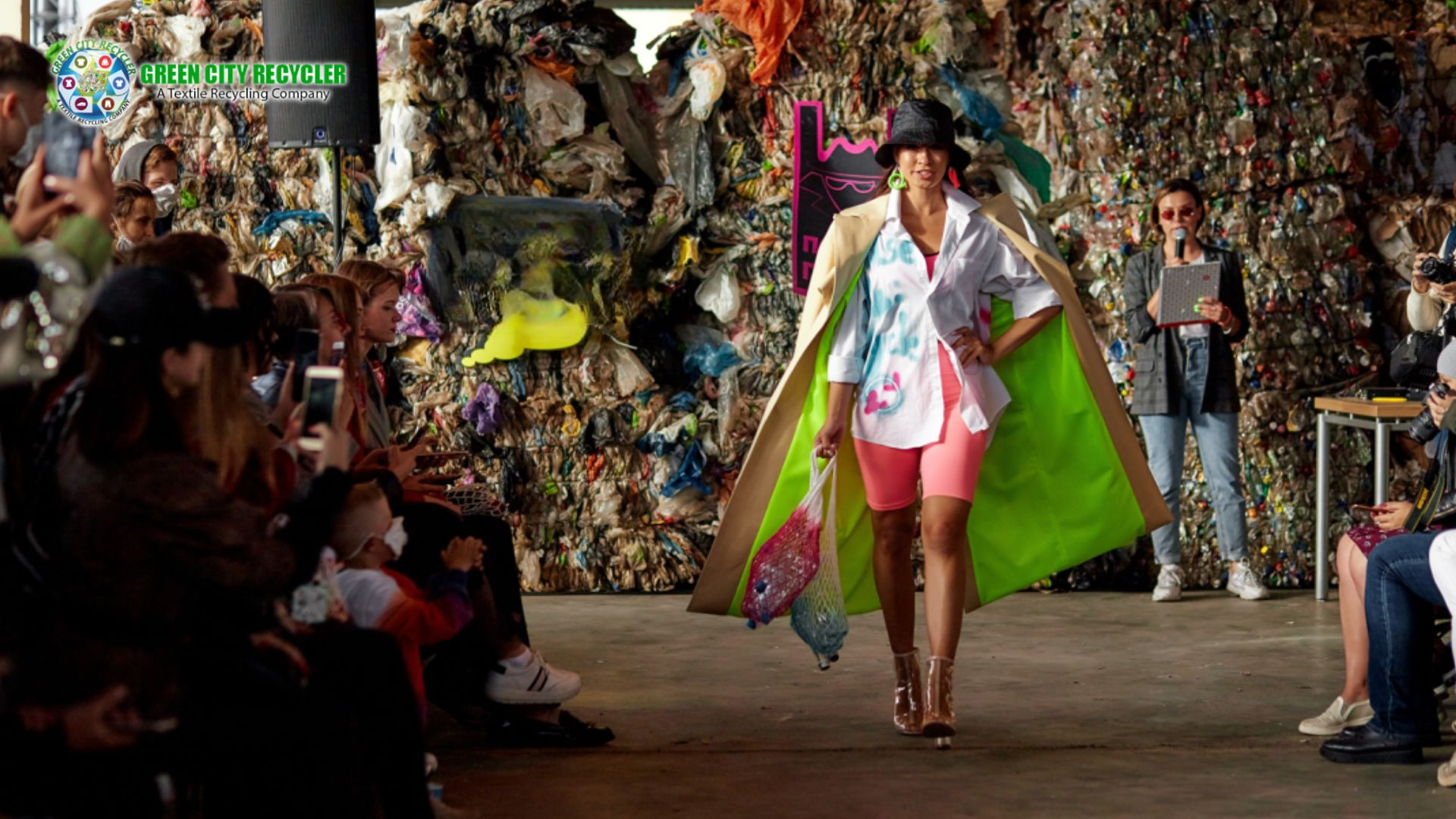
The demand for eco-friendly textiles, which are also called green textiles, is rising. The fabrics are made from recycled materials or low pollution processors and organic fibres. They are promoting a sustainable future, so they protect the environment from harm.
This segment of the industry represents innovation they are combining advanced technology with environmental responsibility. It is shaping our future of textiles.
The Importance of These Three Types:
These three types of textiles are essential:
Natural fibre textiles are tied to tradition, comfort, and sustainable textiles.
Synthetic textiles are strong, versatile, and inexpensive.
Technical and eco-textiles are innovative, while finding a direction that supports environmental goals.
Each type is part of a framework that underpins the global textile industry, responding to fashion, industrial growth, and eco-friendly living.
GreenCityRecycler – Supporting Sustainability:
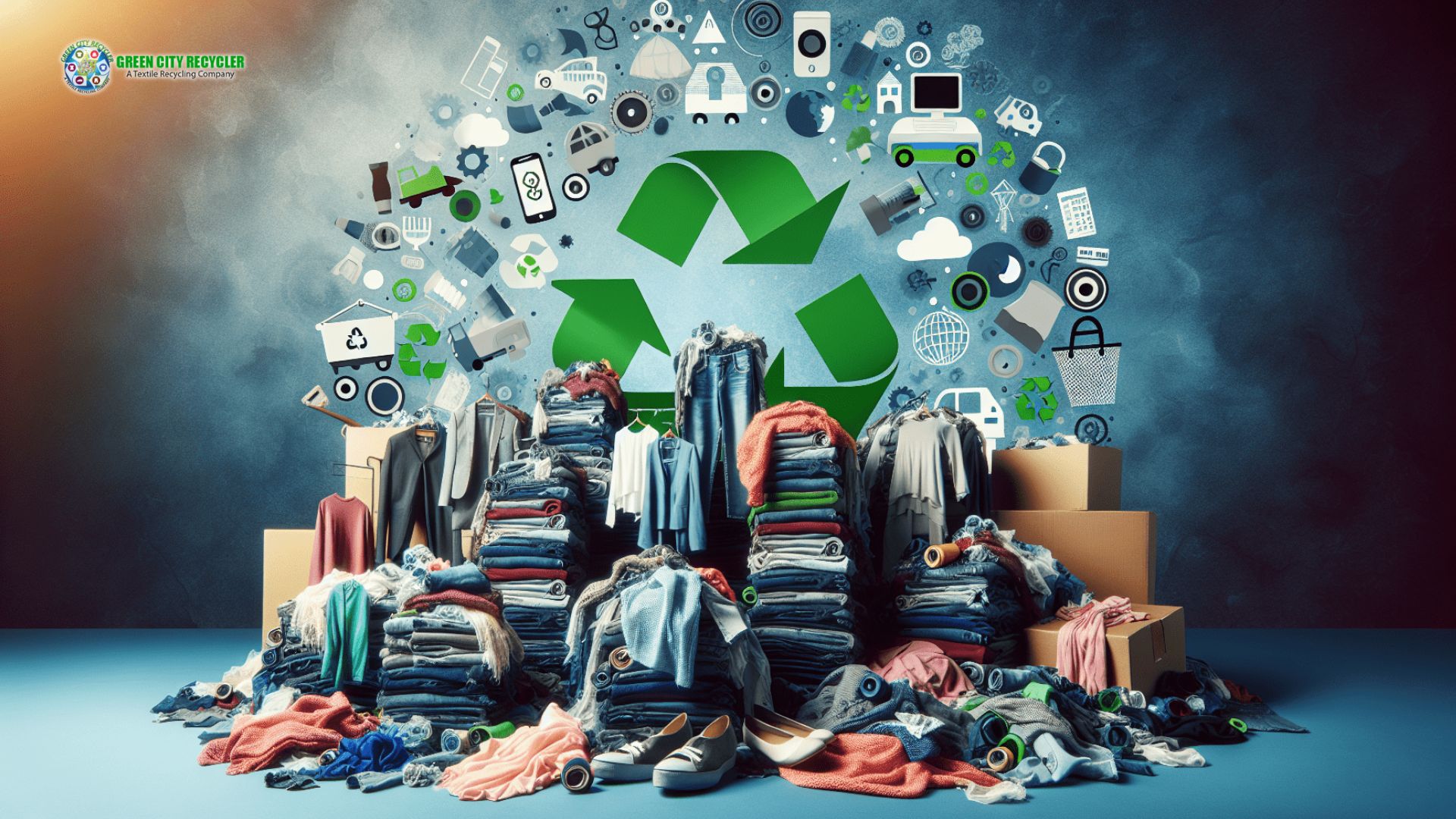
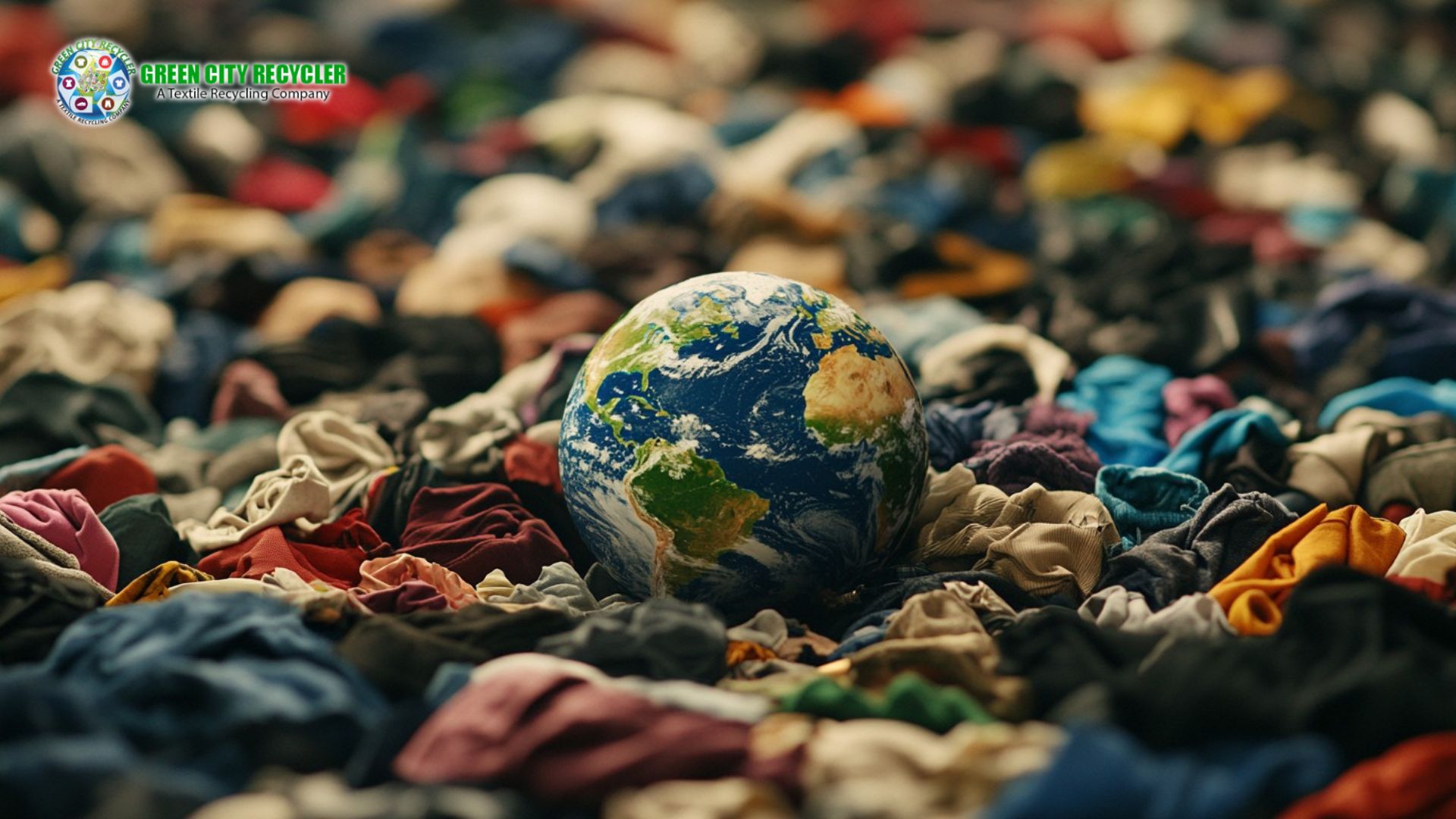
And Green City Recycler, we know about the power of textile recycling. Recycling is one of the best solutions to reduce the impact that millions of tons of fabric waste generate every year.
This platform encourages:
- Eco-friendly textile practices
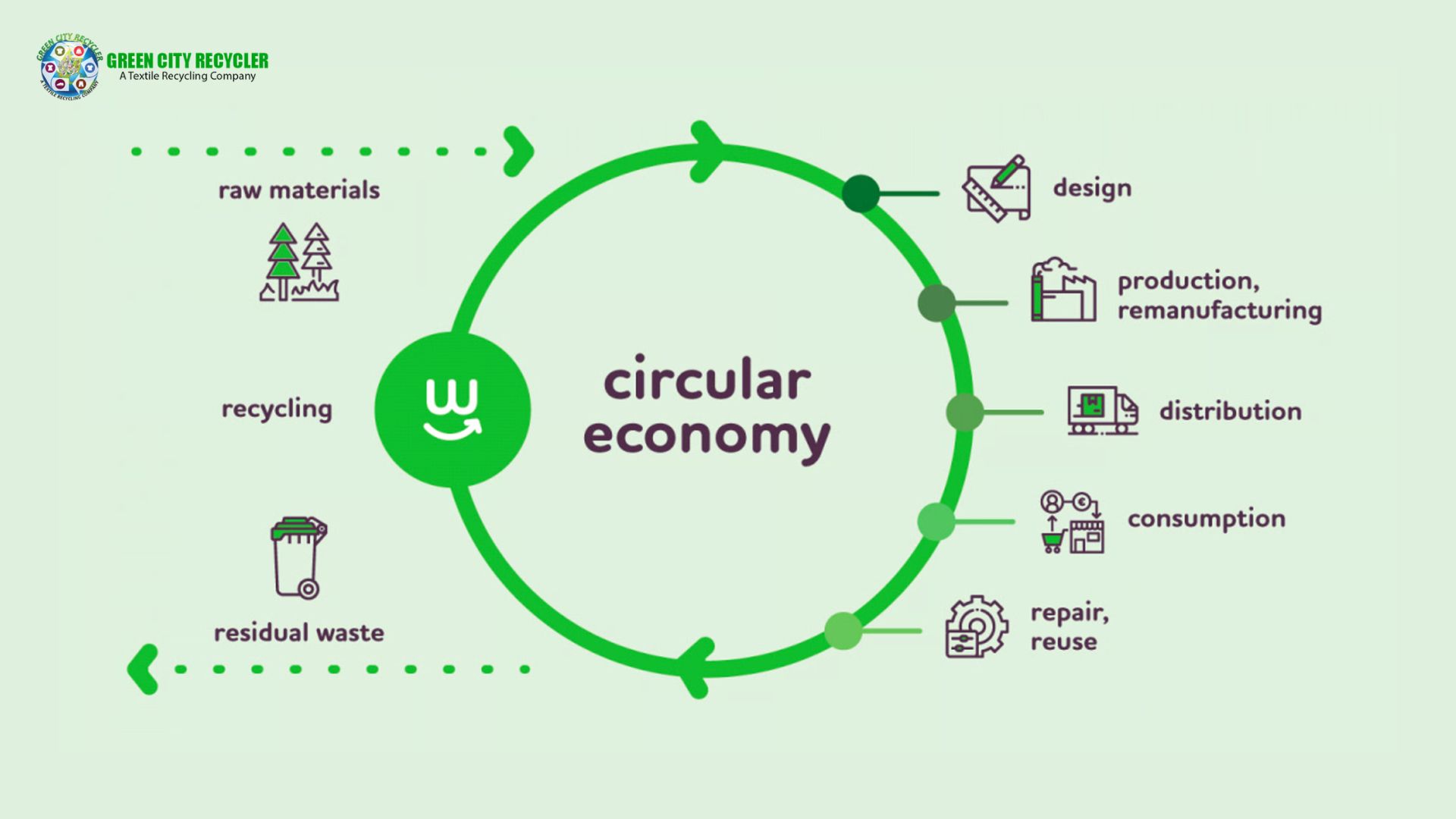
- Recycling and reuse of fabrics
- Awareness about sustainable solutions
When you promote these practices, Green City Recycler help people and their businesses to make smarter choices. These eco-friendly and smart choices support a greener, cleaner future.
Final Thoughts:
The three types of textile industry, natural, synthetic, and eco-friendly, are all important, each in their own ways: natural fibres provide comfort, synthetic fibres provide performance, and technical textiles provide innovation and sustainability.
Understanding these types of textiles will give us a better ability to make informed choices as consumers and as professionals. Moreover, with platforms like GreenCityRecycler, there are many opportunities for growth in the industry, while also preserving our planet.
The future of textiles is not just around production but also involves responsibility and sustainability. By supporting recycling and green practices, we can create a textile industry that works for both people and the planet.