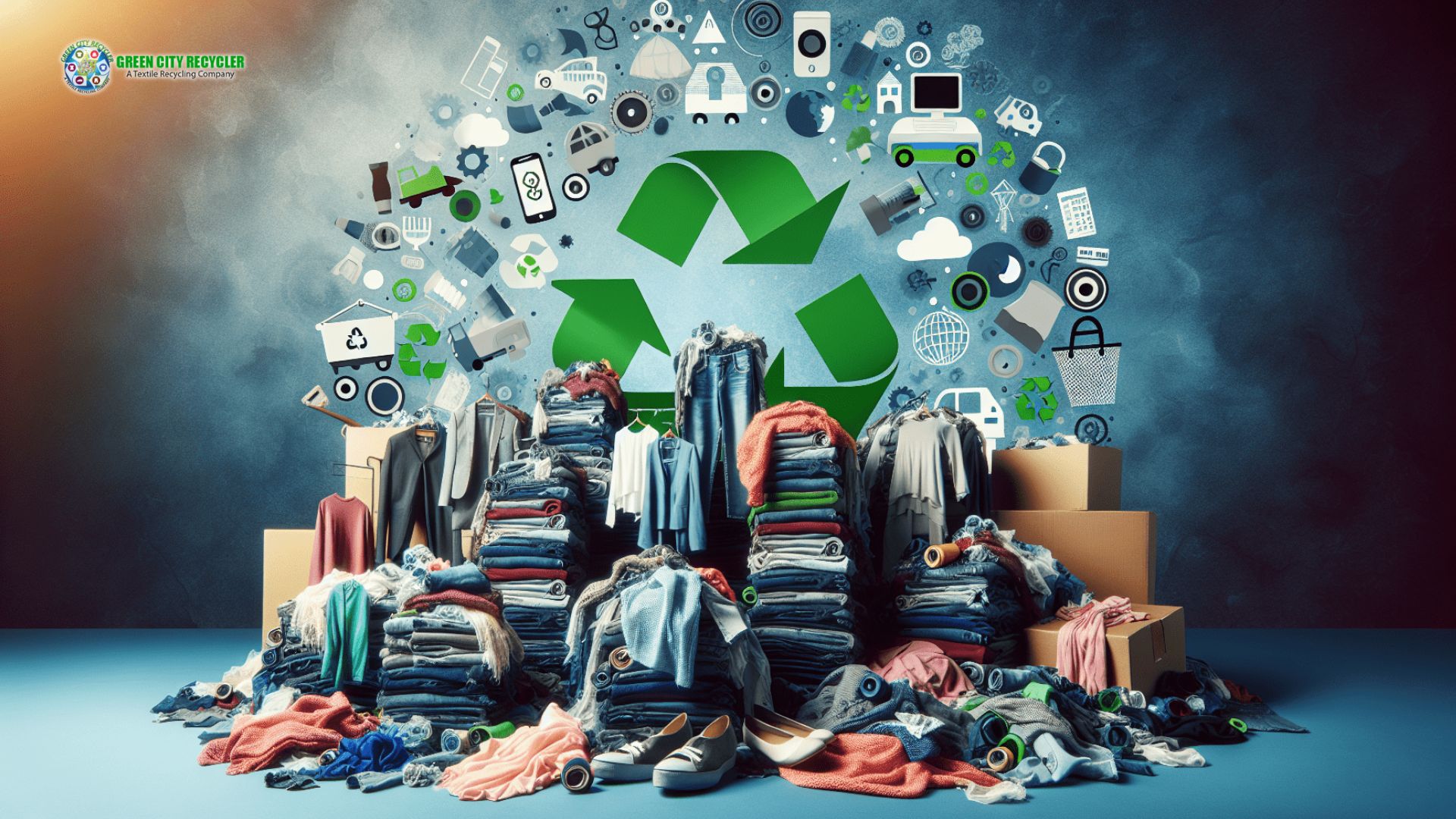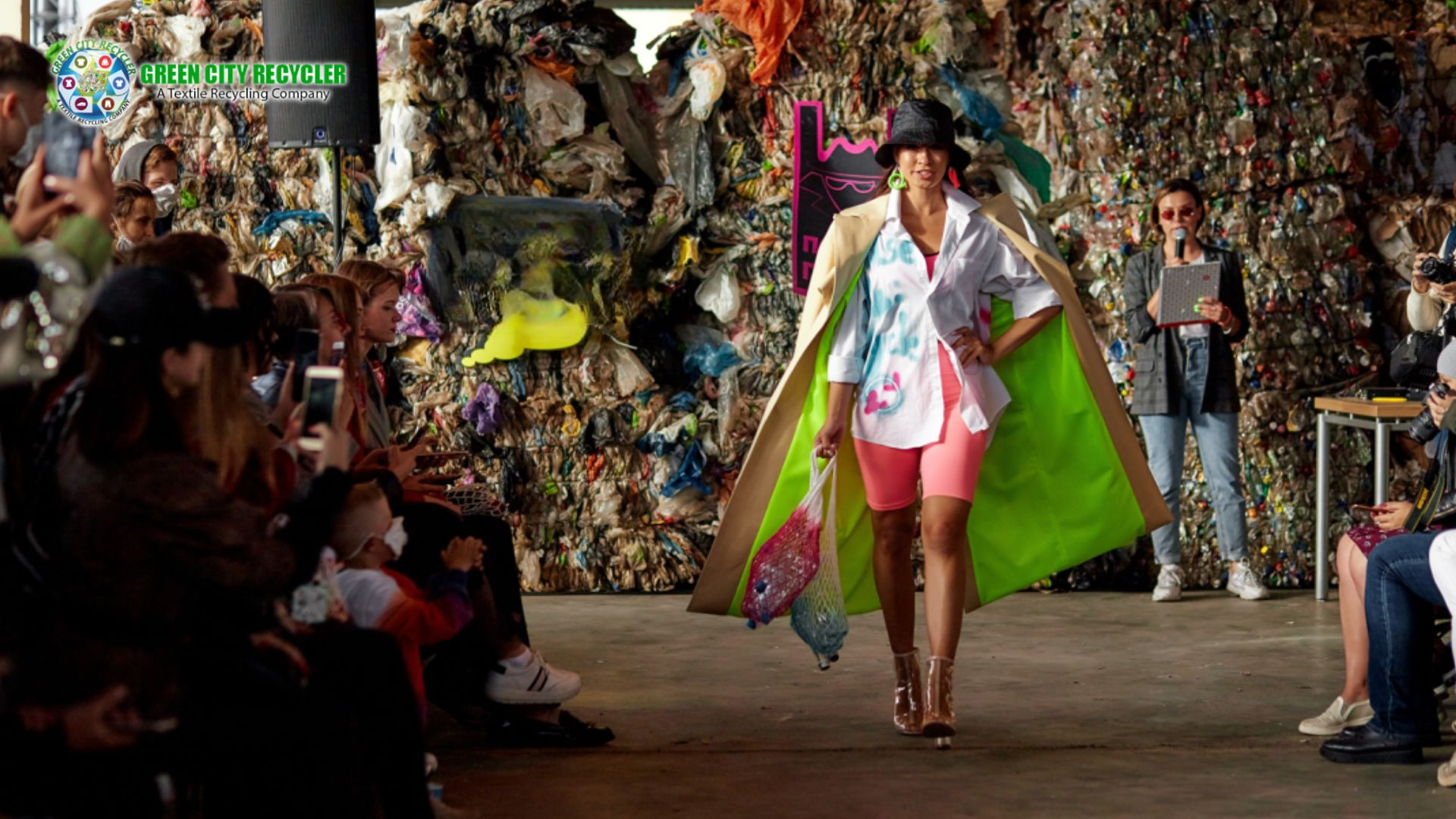
Cities throughout the world are growing quite quickly. The more people live in cities, the more trash they make every day. Textile waste is one of the fastest-growing environmental problems in cities, along with many other sorts of garbage. Every year, millions of tons of clothes, textiles, and other textile goods are thrown away.
Even though a lot of these fabrics might be repurposed or recycled, most of them end up in landfills. As cities look for smarter and greener ways to deal with trash, textile recycling for sustainable cities is becoming a crucial aspect of making a healthier environment.
Recycling textiles not only cuts down on waste but also saves resources, cuts down on pollution, and helps the circular economy. This is why experts think that recycling textiles is the best way for cities to stay green.
What to Know About Textile Waste in Cities
Clothes, shoes, household fabrics, curtains, towels, bedding, and other fabric-based things are all examples of textile waste. People are buying more clothes than ever because of the rise of fast fashion. Sadly, a lot of these clothes are only worn a few times before they are thrown away.
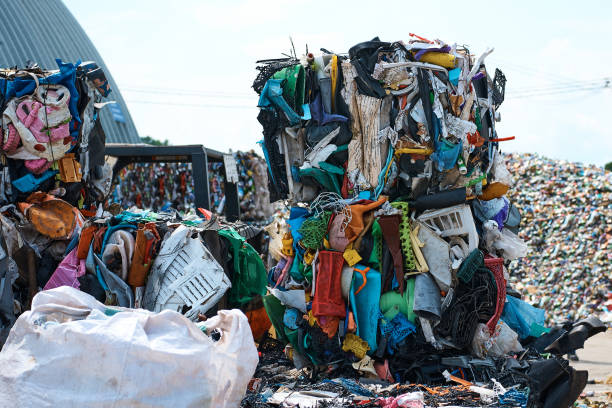
Textile waste is a big part of the trash that cities throw away. Landfills are filling up quickly, and textiles are a big part of the problem.
It can take hundreds of years for synthetic textiles like polyester, nylon, and acrylic to break down. They let out toxic chemicals and microplastics into the environment during this period.
Cities may cut down on trash and get closer to sustainable waste management systems by recycling textiles instead of throwing them away.
What Does It Mean to Recycle Textiles?
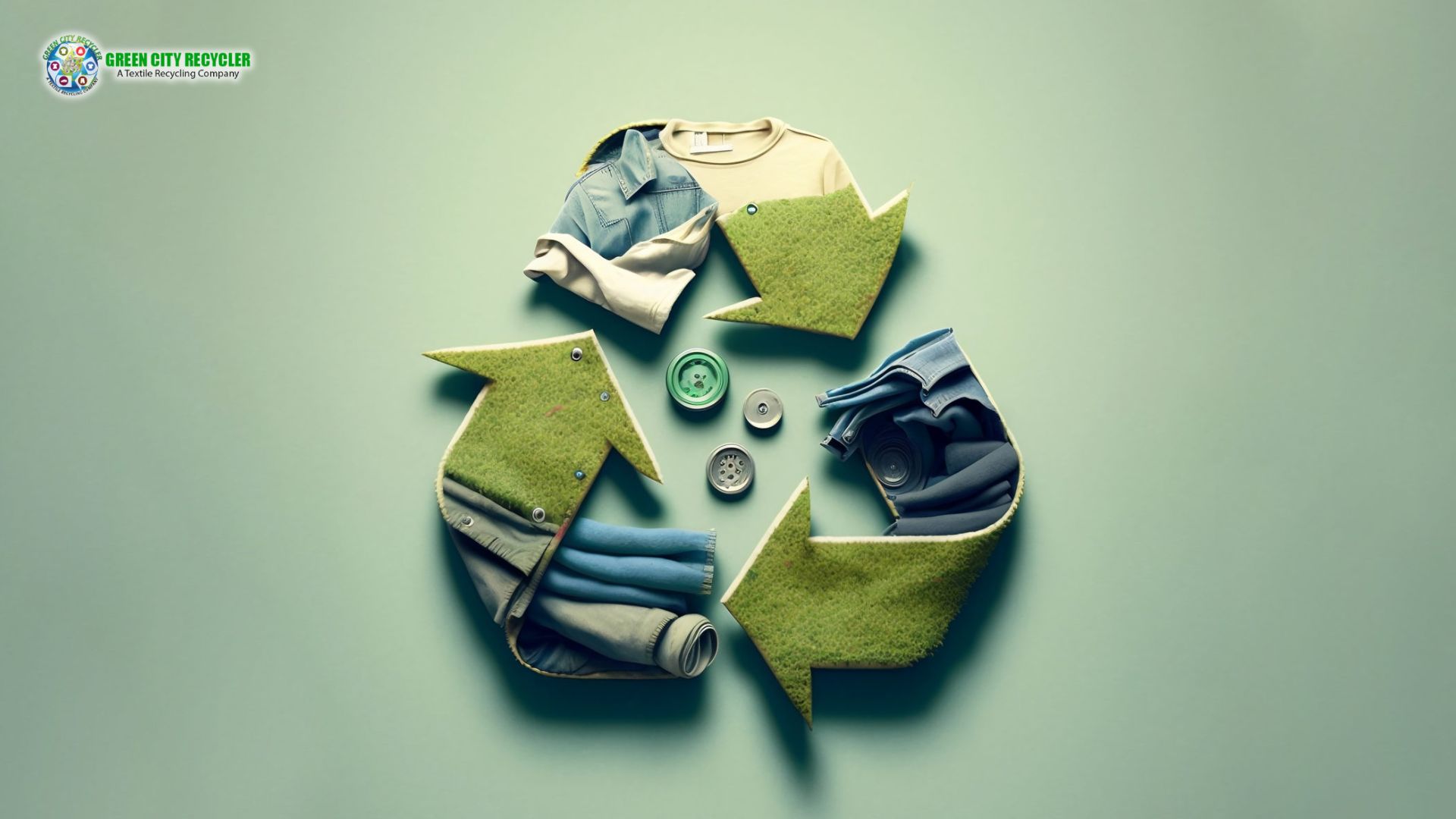
Textile recycling for sustainable cities is the act of gathering, separating, and processing old clothes and fabrics so that they can be used again or made into new things. Instead of throwing away clothes, they are given a second chance.
There are many ways to recycle textiles. Donating or selling certain clothes again is a way to reuse them again. Other textiles are turned into fibers, which are then utilized to make new things like cleaning cloths, insulating materials, industrial rags, or new fabrics.
This procedure cuts down on the requirement to make fresh raw materials and cuts down on waste.
Cutting Down on Trash at Landfills
One of the best things about recycling textiles is that it cuts down on trash in landfills. Cities throughout the world have trouble finding enough room in landfills. More people mean more trash, which puts a strain on systems that deal with trash.
Textiles take up a lot of room in landfills. A lot of clothes are created from synthetic fabrics that don’t break down readily.
When you recycle textiles, they don’t end up in landfills and are still useful. This helps cities cut down on the amount of trash they produce and use their resources more wisely.
Less trash in landfills also means less chance of soil and water pollution from textiles breaking down.
Saving water and other natural resources
Making textiles needs a lot of natural resources. For example, growing cotton uses a lot of water and chemicals. Making synthetic fabrics also takes a lot of energy and raw materials.
Cities can cut down on the need for new materials by recycling textiles. This helps save natural resources, electricity, and water.
Recycling clothes, for instance, can save thousands of liters of water that would have been used to grow cotton. The more individuals who recycle textiles, the better it is for the environment.
Reducing Carbon Emissions
The fashion and textile sector is a big source of carbon emissions around the world. Making, moving, and throwing away clothes all involve energy and fuel, which adds to greenhouse gas emissions.
There are a number of ways that recycling textiles can help cut down on these emissions. First, it cuts down on the number of new fabrics that need to be made. Second, it makes clothes and other things last longer.
Cities may help fight climate change by starting large-scale textile recycling initiatives that cut down on their carbon footprint by a lot.
Many experts on sustainability think that textile recycling will be very important for cities that want to be more ecologically friendly in the future.
Helping the Circular Economy
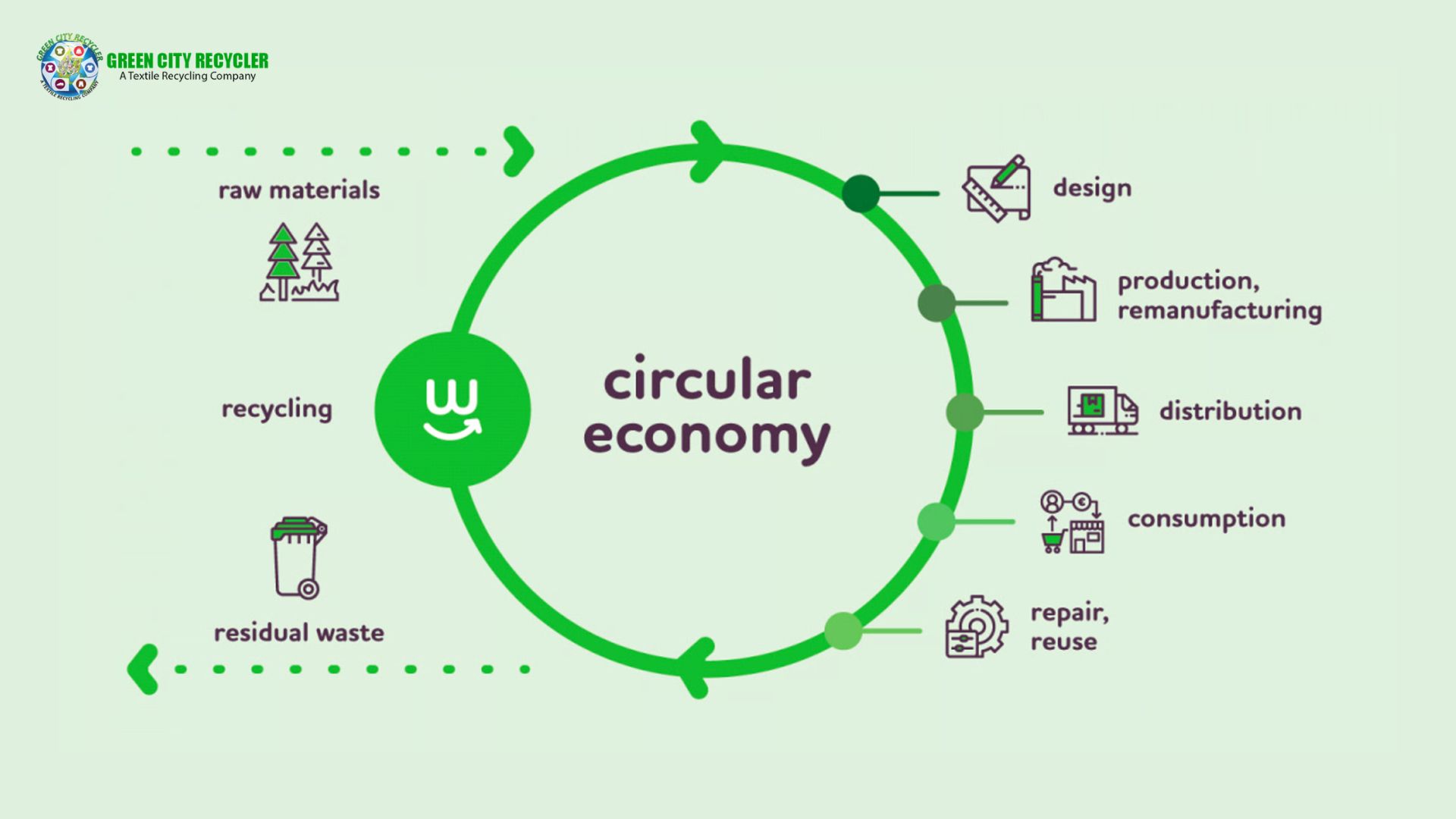
A city that is environmentally friendly works to cut down on waste and use resources wisely. The circular economy is one of the most important ideas behind textile recycling for sustainable cities.
Instead of throwing things away after one use, a circular economy fixes, reuses, and recycles them. This model works nicely with textile recycling.
Textile recycling keeps fabrics in use for as long as feasible, instead of following the “take, make, dispose” paradigm. You can fix, give away, or recycle old garments into new things.
This technique cuts down on waste, saves resources, and makes it easier to manage materials in cities in a way that lasts longer.
Making Jobs That Are Good for the Environment
Recycling textiles does more than just help the environment. It also opens up business options.
Recycling programs need people to collect, sort, process, and distribute recycled textiles. These things make jobs in the places where they happen.
The need for recycling services will keep growing as communities spend more money on long-lasting waste management solutions. This can help create green jobs and make local economies stronger.
Recycling centers, donation centers, and textile recycling firms all help make cities more sustainable.
Promoting Responsible Consumer Behavior
Sustainable cities need both government policies and people who act responsibly when they buy things. People are more inclined to adopt eco-friendly habits when they know how textile waste affects the ecosystem.
Textile recycling programs advise people to give away, fix, and recycle clothes instead of tossing them away.
Recycling bins, donation drives, and initiatives to raise awareness in the community can all help make it easier for people to recycle textiles.
When people change minor things about how they live their lives, the effect can be big.
What Businesses Do To Help With Textile Recycling
Companies also have a big part to play in the future of textile recycling for sustainable cities. Clothing brands, stores, and recycling firms can all work together to encourage eco-friendly behavior.
Some businesses are starting programs where customers can return unwanted clothes to be recycled. Some people are putting money into new technologies that can transform old fabrics into new ones.
Textiles are carefully collected and processed thanks to the work of recycling firms and waste management groups.
Businesses and cities may work together to make recycling systems that are more efficient and last longer.
Take A Step Toward Recycling Textiles In An Environmentally Friendly Way
If you want to help make your community cleaner and more sustainable, start by recycling clothes and other textiles you don’t want. Recycling textiles in a responsible way cuts down on waste, saves important resources, and preserves the environment.
Green City Recycler wants to help communities recycle textiles in a responsible way and promote long-term waste management.
Don’t toss away old clothes; instead, find a better and more eco-friendly way to get rid of them. Call Green City Recycler today to find out how you can recycle clothes and help make the world a better place.